Zaporizhzhia Nuclear Plant Loses External Power Yet Again Amid Ongoing Conflict
Repeated power outages at Russia-controlled Zaporizhzhia Nuclear Plant heighten risks and complicate energy supply linked to the conflict in Ukraine.
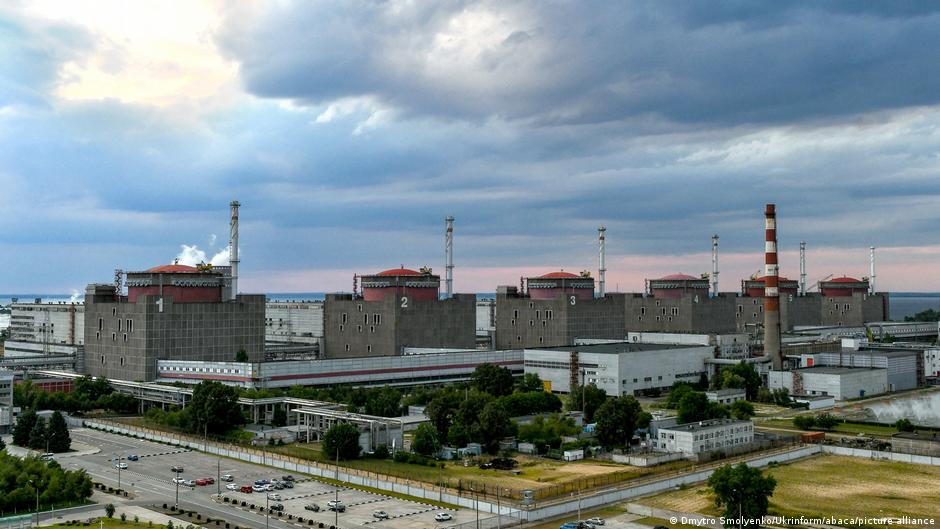
The Zaporizhzhia Nuclear Power Plant (ZNPP), under Russian control since early in the war in Ukraine, experienced its 23rd loss of external power supply since the onset of the full-scale conflict, the International Atomic Energy Agency (IAEA) reported on August 1.
According to Rafael Grossi, Director General of the IAEA, the plant operated on emergency diesel generators for nearly two hours to maintain cooling systems and critical infrastructure following the outage. The agency has yet to determine the cause behind the failure of the last remaining external power line.
Security Concerns and Implications for Regional Energy Stability
The IAEA also highlighted increased military activity near the plant and the nearby city of Enerhodar, home to much of the plant's staff, raising alarms about the safety and security of the facility. Additionally, the agency documented prolonged internet outages and water supply disruptions at the site, aggravating concerns over nuclear safety.
"The ongoing instability and infrastructure challenges pose significant threats to the operational integrity of the Zaporizhzhia plant," stated the IAEA report.
Since April 2022, the Zaporizhzhia facility has been held by Russian forces occupying part of Ukraine's territory, further complicating the geopolitical and safety landscape.
Environmental group Greenpeace Ukraine has analyzed satellite imagery revealing that Russian authorities continue constructing a high-voltage power transmission line along the M18 highway corridor connecting Melitopol and Henichesk—both under Russian control. This infrastructure likely aims to integrate the Zaporizhzhia plant into the power grids of Russia-annexed Ukrainian regions and southern Russia, including Crimea.
Jan Vande Putte, a nuclear energy expert with Greenpeace Ukraine, noted that the Russian state nuclear corporation Rosatom may view the Zaporizhzhia plant as a cost-effective alternative to building new reactors in Russia's Rostov and Krasnodar regions.
However, these plans have faced setbacks. In early July, a Ukrainian drone strike targeted a substation in Henichesk, temporarily disrupting efforts to connect the Zaporizhzhia plant to Russian-controlled energy networks.
Implications for US Business and Policy
The persistent instability at the Zaporizhzhia plant holds several implications for US businesses and policy makers:
- Energy Security and Market Volatility: The conflict-driven disruptions threaten European energy markets, where US energy exports and companies play a role in diversification from Russian supplies. Any escalation risks heightened energy price volatility.
- Geopolitical Risk for Energy Investments: US companies involved in international nuclear energy technology or infrastructure may face increased exposure to geopolitical risks in Eastern Europe.
- Policy and Sanctions Considerations: Continued Russian control of the plant and attempts to integrate it into Russia’s grid raise questions about enforcement of sanctions and international regulatory frameworks.
- Nonproliferation and Safety Concerns: The international community, including the US government, must remain vigilant about nuclear safety to prevent accidents with global consequences.
Overall, the situation underscores the broader strategic challenges the Biden administration faces in managing Russia’s aggressive activities in Ukraine, balancing energy security interests, and upholding international norms.