Putin Sees Opening for Ukraine Peace Talks as Zelensky Awaits US Envoys
Russian and Ukrainian leaders signaled renewed diplomatic movement as US representatives prepare visits to Kyiv and Moscow to discuss a possible peace deal.
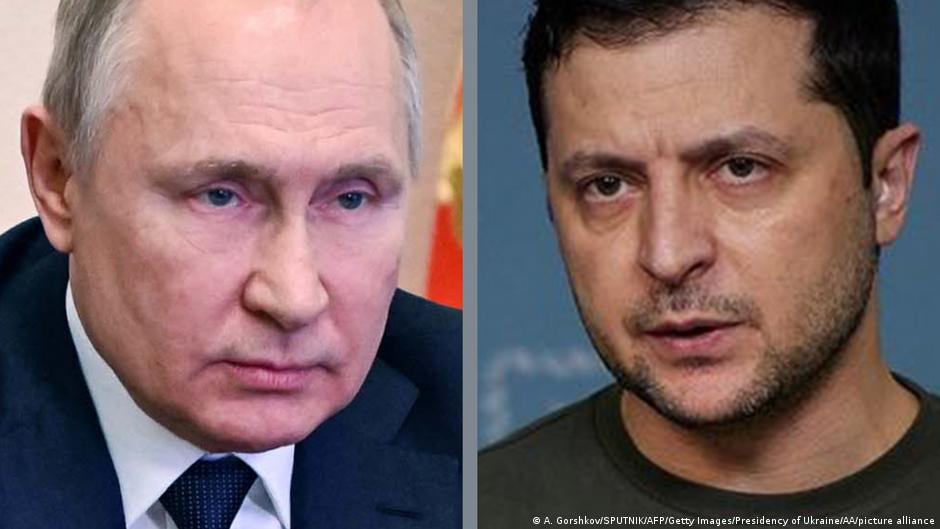
President Vladimir Putin said Russia sees a chance to reach peace in Ukraine through diplomacy, while insisting that Moscow and Kyiv must negotiate an end to the war directly, with outside countries limited to a supporting role. The remarks, delivered on Thursday, September 3, on the sidelines of the Eastern Economic Forum, came as Ukrainian President Volodymyr Zelensky said he expects representatives of US President Donald Trump to visit both Kyiv and Moscow for talks on a possible settlement.
For Washington, the twin statements amount to another sign that the White House is probing whether a diplomatic track can be opened without committing President Trump to a summit before terms are clearer. For US businesses, the implications are tied less to rhetoric than to whether any talks can reduce uncertainty around sanctions, shipping security, and broader geopolitical risk that continues to affect energy, logistics and investor sentiment.
“First and foremost, Russia and Ukraine must come to an agreement between themselves. And all other countries are ready to support and help,” Putin said, adding that, in his view, “there are” chances for peace.
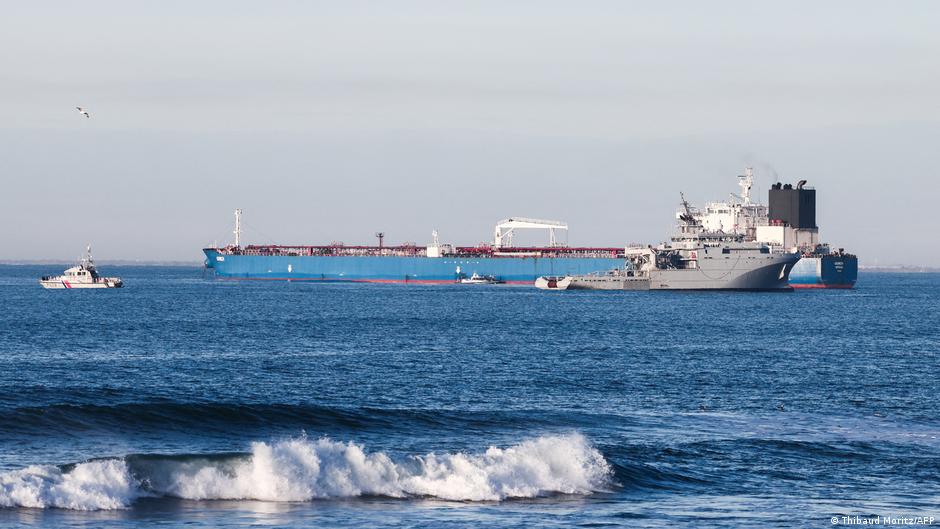
Putin said Moscow and Kyiv have maintained contacts through their intelligence services, though he did not say how much those channels could contribute to a peace agreement. At the same time, he pointed to Ukrainian attacks on transport vessels in the Black Sea and to statements from Kyiv about the unsafety of Russian airspace, arguing that such factors complicate the prospects for direct bilateral peace talks.
Those comments underscore a message the Kremlin has repeated in different forms throughout the war: Russia wants to frame negotiations as a matter for the two warring parties, even as major powers, especially the United States, remain central to any viable diplomatic process. From a US policy standpoint, that formulation matters because it suggests Moscow is still trying to shape the structure of talks before any formal process begins.
US envoys move to the center of diplomacy
Later the same day, Zelensky said prospects for renewed talks with Russia would be discussed during upcoming meetings involving US representatives. In his nightly video address, he said there are preliminary dates for visits by US officials and that the American side has already confirmed meetings in both Kyiv and Moscow.
“We expect that representatives of the US president will come here, to Kyiv. We already have confirmation from them: there will be a meeting in Moscow and in Kyiv,” Zelensky said.
Zelensky added that Ukraine remains in constant contact with the American team. A few days earlier, he reported a phone conversation with Trump special envoys Steven Witkoff and Jared Kushner, during which he told the US representatives that Russia’s battlefield gains were “insignificant.”
That detail is politically relevant in Washington because it shows Kyiv is still making its case directly to Trump’s circle, arguing that battlefield developments should not force a settlement on terms favorable to Moscow. It also illustrates the increasingly personalized nature of the diplomacy: the process appears to be running through presidential envoys and intelligence channels as much as through traditional foreign policy institutions.
Discussion of possible Russia-Ukraine peace negotiations intensified soon after an unannounced visit to Moscow in late August by CIA Director John Ratcliffe. According to Axios, the Trump administration representative proposed, among other things, the idea of a three-way meeting among the presidents of the United States, Russia and Ukraine to discuss ending the war through diplomacy.
Trump later rejected the idea of holding such a trilateral summit in the near term after media reports on the proposal. Speaking to reporters, the US president said Putin would agree to such a meeting if Trump wanted it and that Washington could organize the summit “immediately.” But Trump also said he wanted to hold such a meeting only when the parties were ready to conclude a peace agreement.
For the White House, that stance reflects a familiar calculation: avoid a high-profile leader-level event unless there is a realistic chance of a concrete outcome. The risk of a failed summit is not only diplomatic. It would also reverberate through markets watching for signs of either de-escalation or a prolonged conflict with continuing effects on commodities, trade routes and defense spending.
Trump also said that “Putin and Zelensky should stop this stupid war,” again assigning blame for the continued fighting to both Moscow and Kyiv. In Trump’s view, the obstacle to peace is the personal hostility between the two leaders. He suggested that this is why the conflict, which he had promised to end “in 24 hours,” has proven more difficult than the “eight wars” he says he stopped in less than two years in office.
That framing is likely to resonate with parts of the US political audience that prefer a deal-making interpretation of international conflict, but it may also sharpen concerns among Ukraine’s supporters in Washington who see the war less as a dispute between personalities than as a question of sovereignty, deterrence and long-term European security. Those concerns carry commercial implications as well. American companies exposed to Europe, shipping, agriculture and energy markets have strong incentives to monitor whether any diplomatic opening produces a durable framework or simply another cycle of headlines without implementation.
At this stage, neither Putin’s remarks nor Zelensky’s announcement amount to a breakthrough. No agreed format has been publicly confirmed for negotiations between Russia and Ukraine, and Trump has made clear he does not want to convene a summit before a peace deal is within reach. Still, the alignment of messaging from Moscow, Kyiv and Washington suggests that exploratory diplomacy is active again.
For US policymakers and corporate decision-makers, the immediate question is not whether peace is at hand, but whether the administration’s contacts can generate a process credible enough to lower geopolitical risk. Until that becomes clearer, the war’s political and business costs for the United States and its allies remain part of the calculation.