Qatar Denies Detaining Iranian Pilots Amid Rising Middle East Tensions
Qatar refutes Tehran's claims of holding Iranian pilots, emphasizing adherence to international law and ongoing diplomatic efforts.
In a recent diplomatic exchange that underscores rising tensions in the Middle East, Qatar has officially rejected allegations from Iran that it is detaining three Iranian pilots following a contested airspace violation earlier this year. The dispute highlights the fragile regional security environment and poses potential complications for U.S. businesses and strategic interests in the Gulf.
Background of the Incident and Qatar’s Response
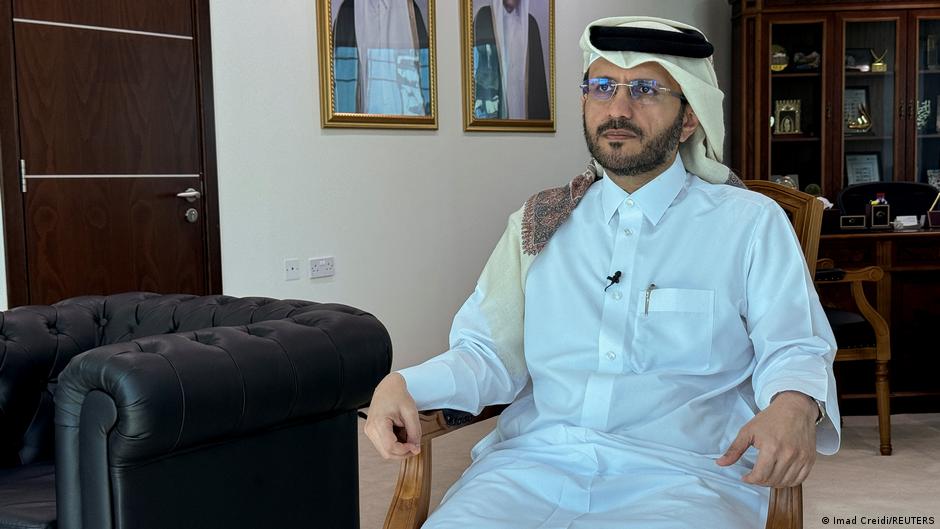
On August 15, Majid bin Mohammed Al-Ansari, a spokesperson for the Qatari Ministry of Foreign Affairs, responded via social media to the Iranian accusations, describing them as "misleading statements" made amid ongoing diplomatic efforts aimed at reducing regional tensions. Qatar clarified that contact with the pilots was established only after they violated Qatari airspace, confirming their flight trajectory through radar detection.
According to Al-Ansari, Qatar took all necessary actions to protect its territorial integrity in accordance with international law. He further noted that Qatari search and rescue teams conducted operations to recover the remains of the pilots, and Doha has communicated these details through official diplomatic channels. Qatar has also engaged with Iranian authorities to coordinate the transfer of one pilot’s remains.
Earlier in April, Qatar extended an invitation to an Iranian delegation to visit and review search and rescue efforts firsthand, but Tehran has yet to respond to this outreach.
Iran’s Accusations and Regional Implications
The Iranian government previously reported that one pilot was killed and two others went missing following the crash of their Su-24 fighter jets at the start of the conflict. However, Tehran’s recent claims assert that all three pilots—Javad Salehi, Abdolmajid Dashtiyan, and Omran Behrouzian—have been held captive by Qatari forces for six months, with no contact permitted with their families. Mohammad Bagerzadeh, head of Iran’s Missing Persons Committee within the General Staff, sent a letter to the International Committee of the Red Cross urging the release of the pilots.
Qatar’s Ministry of Defense previously announced that its air forces successfully shot down two Su-24 bombers originating from Iran and intercepted ballistic missiles and drones targeting Qatari territory. It remains unclear if these aircraft correspond to those mentioned by Iran.
Washington’s Strategic Interests and Business Considerations
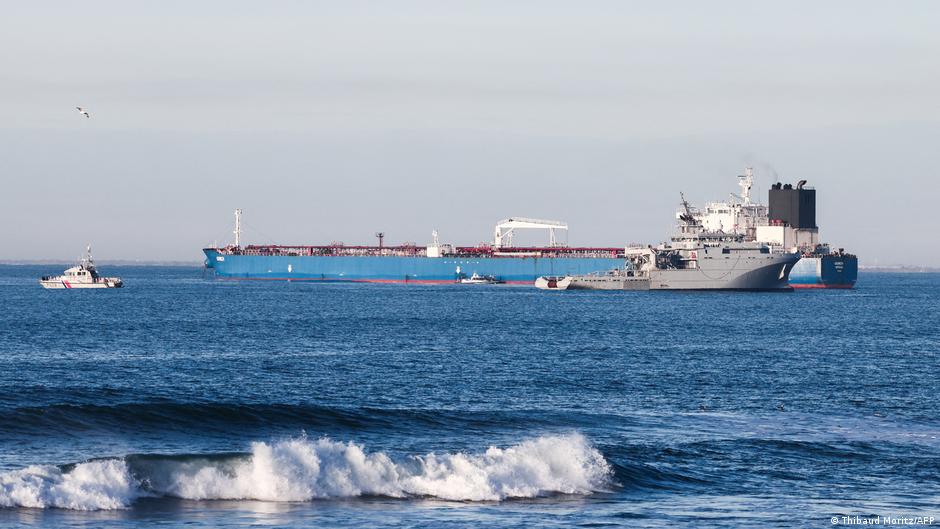
The allegations and counterclaims occur against the backdrop of ongoing U.S.-Iran tensions and their impact on regional stability, crucial for American commercial and military interests. In mid-June, the U.S. and Iran signed a framework agreement aimed at halting hostilities and lifting blockades in the strategic Strait of Hormuz, a vital artery for global energy supplies. However, incidents such as the June 25 attack by an Iranian drone on a civilian tanker have complicated de-escalation efforts.
U.S. retaliation with strikes on Iranian targets and the subsequent temporary suspension of bombings in late July, cited by President Donald Trump as progress in negotiations, reflect Washington’s precarious balancing act between deterrence and diplomacy.
"The dispute over the alleged detention of Iranian pilots by Qatar embodies broader regional volatility that threatens key U.S. interests, from energy security to military cooperation with Gulf states."
American companies operating in the Gulf face potential risks from escalating military confrontations, disruptions in shipping lanes, and shifting alliances. Qatar, a U.S. ally hosting significant military assets, including the Al Udeid Air Base, is central to regional security architecture. Any deterioration in Doha-Tehran relations could complicate U.S. military logistics and commercial operations in the region.
Moreover, Qatar itself has suffered attacks and reported assaults on its territory and maritime assets, including tankers traversing the Strait of Hormuz. These developments underscore the fragility of peace efforts and their direct impact on international business and energy markets.
As Washington continues to navigate complex diplomacy with Tehran and its Gulf partners, close monitoring of Qatar-Iran relations remains vital for protecting American strategic and economic interests in the Middle East.