Rising Drone Incursions Near German Military Bases Raise Security Concerns Amid Russia-Ukraine Conflict
Increase in drone sightings near Bundeswehr sites signals heightened hybrid threats impacting European security landscape.
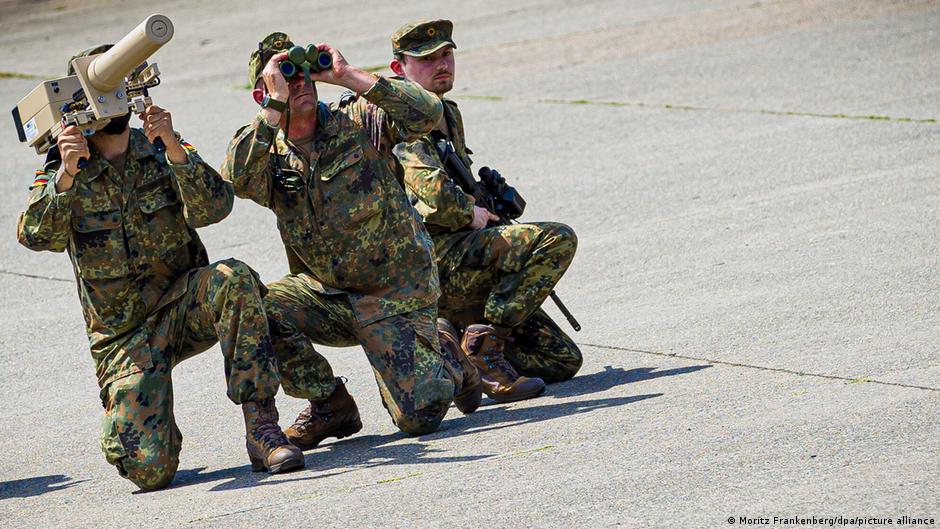
Recent years have seen a significant surge in the number of unmanned aerial vehicles (UAVs) detected near German Bundeswehr military facilities. Military sources report hundreds of drone incursions, reflecting a broader shift in security challenges faced by Germany and Europe amid ongoing geopolitical tensions.
Hybrid Threats and Security Implications
Since the full-scale Russian invasion of Ukraine began, German military authorities have registered a marked uptick in drone activity around army installations. According to a spokesperson from the Bundeswehr’s Operational Command, "a total of several hundred suspected drone flights have been reported over Bundeswehr sites in recent years." Most sightings involve individual drones, though occasional swarms have also been detected.
This trend underscores the evolving nature of security threats confronting Germany and its allies. The official emphasized that the country contends daily with hybrid warfare tactics including misinformation campaigns, cyberattacks, espionage, and sabotage efforts.
“The situation with security in Germany and Europe has fundamentally changed in recent years,” a Bundeswehr representative noted, highlighting the increasing complexity of hybrid threats.
In late July, two drones were spotted flying over a critical military base in Mechernich, located in the federal state of North Rhine-Westphalia. Police in the region have launched an investigation into this incident, illustrating the heightened vigilance among German authorities.
Notable Incident and German Response
A particularly alarming event occurred on August 5 at Leipzig airport when a drone equipped with explosives collided with a Ukrainian cargo plane. The explosive device, which was fitted with a detonator, failed to detonate for reasons still under investigation. Germany’s Federal Prosecutor's Office is actively pursuing inquiries into this case, signaling the seriousness with which such drone-related security breaches are being treated.
In response to these emerging threats, Germany plans to enhance its counter-drone capabilities. Interior Minister Alexander Dobrindt announced the establishment of a new technology center at the German Aerospace Center’s (DLR) test airfield in Saxony-Anhalt. This center will focus on research, development, and testing of technologies designed to detect and neutralize unauthorized UAVs.
Implications for U.S. Businesses and Transatlantic Security
These developments hold significant implications for U.S. businesses and policymakers. The rising threat of drone incursions near NATO military installations in Europe raises concerns about the potential vulnerability of allied defense infrastructure, which often supports American military operations and logistics. Enhanced drone threats could disrupt supply chains, complicate operational readiness, and increase security costs for U.S. defense contractors and technology firms operating in Europe.
Moreover, the German initiative to develop sophisticated counter-UAV technology presents opportunities for collaboration and investment by American companies specializing in aerospace, cybersecurity, and advanced defense systems. As the hybrid warfare landscape evolves, U.S. firms may find growing demand for innovative solutions that protect critical infrastructure from drone and cyber threats.
The surge in drone activity around Bundeswehr bases serves as a reminder of the expanding security challenges faced by transatlantic partners. It underscores the necessity for continued intelligence sharing, joint technological development, and strategic coordination between the United States and Germany to safeguard military assets and ensure regional stability.