Russia Allows Individuals with Limb Loss to Operate Public Transport and Trucks
New Russian regulation permits people without upper or lower limbs to drive buses, trams, trolleybuses, and trucks, reflecting shifting labor policies amid the Ukraine conflict.
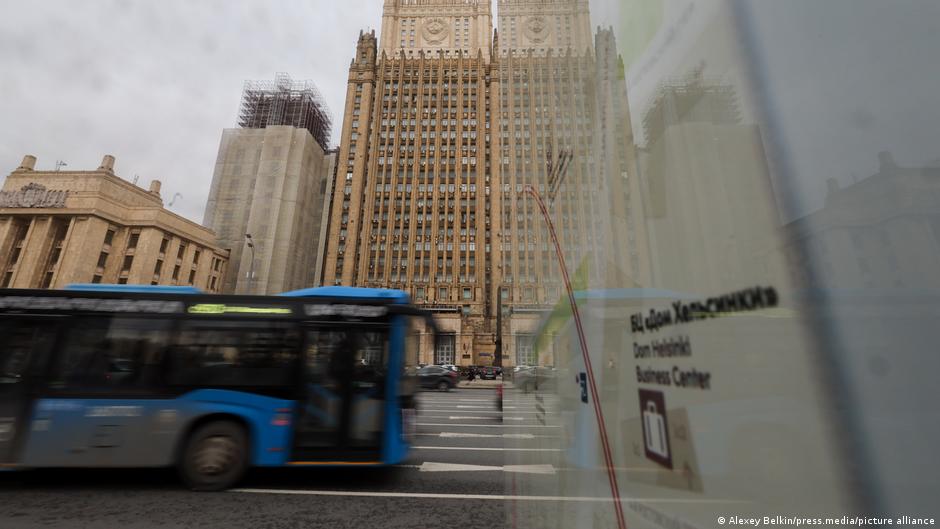
Russia has updated its medical restrictions governing the operation of public transportation and heavy vehicles, now permitting individuals missing upper or lower limbs to serve as drivers of buses, trams, trolleybuses, and trucks. This regulatory change, formalized by Prime Minister Mikhail Mishustin, signals a significant policy shift amid the ongoing conflict in Ukraine and growing labor needs.
Policy Changes and Context
The new directive, published on August 21 on the official legal information portal, revises the list of medical conditions that disqualify individuals from driving certain categories of vehicles. Previously, the absence of upper or lower limbs generally disqualified people from operating public transit vehicles and heavy trucks. Under the updated rules, however, people missing a hand or leg, those with severe deformities of hands or feet, or without fingers or phalanges can now legally drive these vehicles.
Restrictions remain in place only if both limbs or both hands are completely missing or if deformities significantly impair movement. This nuanced approach reflects advancements in vehicle automation and adaptive technologies that facilitate the driving capabilities of persons with physical impairments.
The call to revise these medical restrictions originated from Alexey Tsydenov, head of the Republic of Buryatia, during a State Council meeting on August 10 focused on public transport development. Russian President Vladimir Putin attended the meeting. Tsydenov emphasized that current levels of automation in vehicle control systems enable war veterans with certain physical impairments to operate buses safely and effectively.
"Today's level of automation in vehicle operation allows participants of the Ukraine conflict with specific injuries to work on buses," Tsydenov stated during the council session.
On August 19, President Putin addressed the topic of reintegrating veterans from the "special military operation" in Ukraine into the workforce, urging preparation for their return. Putin highlighted that many returning veterans will come back with "healthy ambitions" despite their injuries, hinting at broader social and economic integration efforts.
Implications for U.S. Businesses and Political Landscape
From a Washington perspective, this regulatory shift in Russia may have several implications. Firstly, it signals the Kremlin's intent to mobilize and reintegrate veterans into civilian roles despite physical disabilities, potentially indicating prolonged military engagement and its socioeconomic repercussions.
For American companies engaged with or competing against Russian counterparts in sectors such as automotive technology, vehicle automation, and public transportation, these changes might affect market dynamics. Russia's adaptation to accommodate disabled veterans as drivers could stimulate demand for specialized adaptive vehicle technologies, creating opportunities or competition for U.S. firms developing similar innovations.
Politically, Washington may interpret this as a sign of Russia's internal adjustments to sustain its workforce amid war challenges, possibly informing U.S. policy considerations related to sanctions, humanitarian aid, and veterans’ affairs. Additionally, the move underscores the human cost of the Ukraine conflict, reinforcing the need for comprehensive strategies addressing veteran rehabilitation and employment.
In sum, Russia’s easing of medical restrictions for vehicle operators reflects a pragmatic response to wartime realities and labor shortages. It also opens avenues for U.S. businesses specializing in adaptive technologies and informs policy discussions on the broader impacts of the Ukraine conflict on Russian society.