Russia Declares US-Based Human Rights Foundation 'Undesirable' Amid Political Tensions
Russian authorities label Human Rights Foundation undesirable, citing its criticism of Kremlin and ties to opposition figures.
On August 6, 2024, Russia's Prosecutor General officially designated the American nonprofit Human Rights Foundation (HRF) as an "undesirable" organization operating within Russian territory. This move marks a further escalation in Moscow's crackdown on foreign NGOs perceived as critical of the Kremlin.
Background and Reasons for the Ban
Founded in 2005, HRF has focused on promoting and defending human rights worldwide. However, Russian officials specifically cited HRF's recent launch of the "Tyranny Tracker"—an interactive map assessing countries' commitments to democratic values—as a key trigger. Russia is marked on this map as a fully authoritarian state, a characterization that Moscow rejected.
"The foundation disseminates information discrediting the Russian army and supports other organizations already declared undesirable," the Prosecutor General's office stated.
By branding HRF undesirable, Russia effectively restricts its activities and limits its ability to collaborate with local groups. This aligns with a broader pattern of Russian authorities curbing foreign influence, especially from US-based organizations.
Leadership Change and Political Context
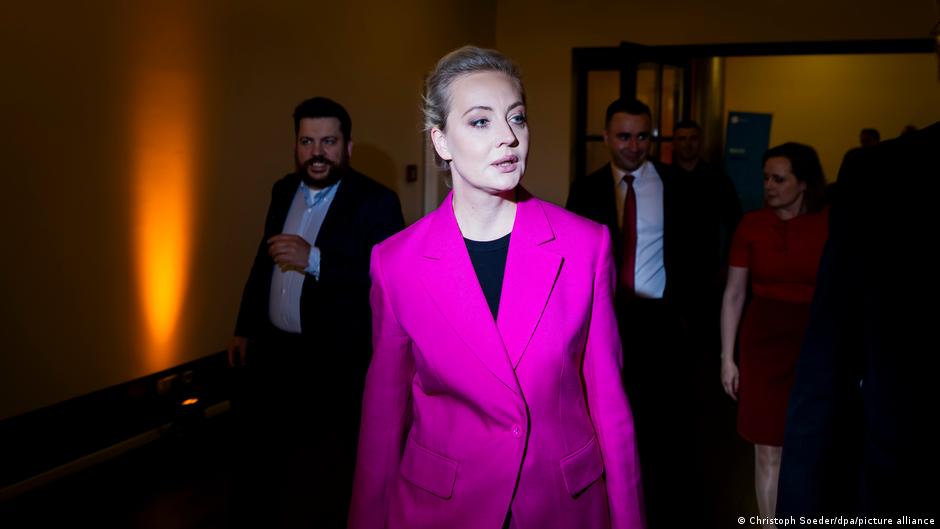
In 2024, HRF underwent a significant leadership change when Yulia Navalnaya was elected chairperson, succeeding former world chess champion and opposition activist Garry Kasparov. Navalnaya, wife of prominent opposition figure Alexei Navalny, brings increased political visibility to the foundation.
For Washington and American businesses, Russia's designation of HRF as undesirable underscores the fraught environment for US civil society actors and raises concerns about further restrictions on foreign entities. It also highlights the Kremlin's sensitivity to organizations linked to political opposition and human rights advocacy, which may impact broader US-Russia relations.
Implications for US Companies and Political Relations
While HRF is a nonprofit and not a commercial entity, the designation signals an intensification of Russia's stance against US-affiliated organizations. US companies operating in Russia may face increased scrutiny or collateral effects stemming from the deteriorating political climate. Moreover, this development could complicate diplomatic efforts, as human rights issues continue to be a contentious point in bilateral relations.
Analysts warn that escalating restrictions on NGOs could foreshadow broader regulatory challenges for American businesses, particularly those engaged in sectors sensitive to political narratives such as media, technology, and consultancy services.
As Moscow tightens controls, US firms should closely monitor legal changes and consider the risks of operating in an environment where foreign-linked organizations are subject to sudden bans.