Russian Attacks Hit Kyiv, Odesa and Sumy, Adding Strain to Ukraine’s Grid
The September 30 strikes damaged commercial and residential sites and forced new power restrictions with consequences for business operations.
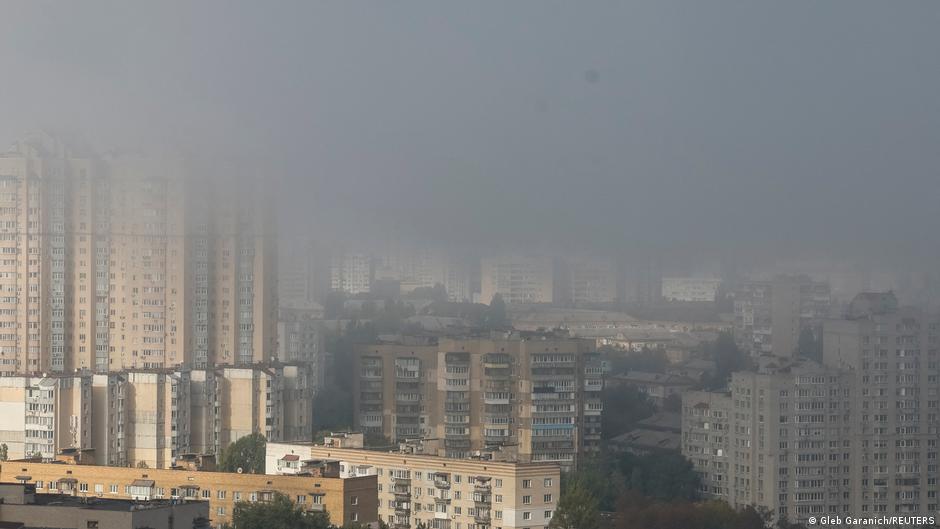
Russian forces carried out another wave of attacks on Ukrainian regions on the evening of Wednesday, September 30, damaging warehouses, residential buildings, a business center and energy infrastructure, according to local authorities, emergency officials and Ukrainian media reports.
The strikes underscored the continuing pressure on Ukraine’s urban economy and power system at a moment when Washington is weighing the military, energy and financial implications of the war for the United States and its allies. For American companies with suppliers, staff, customers or logistics exposure in Ukraine, the latest attacks point to a familiar operational risk: damage can hit not only front-line areas but also commercial districts, housing, transportation routes and electricity supply.
In Kyiv, Mayor Vitali Klitschko said on Telegram that a drone hit warehouse facilities in the city’s Obolon district. In the Holosiivskyi district, debris from an unmanned aerial vehicle fell in an open area near a road, setting trees on fire. Ukrainian news agency UNIAN reported that in Kyiv’s Solomianskyi district, a Russian drone struck a multi-story residential building. The main damage there was to a cafe on the ground floor, while the blast wave and debris also damaged several other establishments, apartment windows and cars parked nearby.
In Odesa, a drone hit a business center, adding a commercial target to the list of sites damaged in the evening attacks. The report did not give further details on casualties or the extent of damage at the Odesa site.
Business Sites and Civilian Infrastructure Damaged
The attacks also affected five districts of the Kyiv region, according to Tymur Tkachenko, head of the Kyiv regional military administration. He said on Telegram that a woman was injured in the Boryspil district as a result of the enemy attack. Several residential houses and cars were damaged in the Bucha, Obukhiv, Fastiv and Bila Tserkva districts. In Bila Tserkva, a building belonging to an educational institution was also damaged, he said.
“As a result of the enemy attack in the Boryspil district, a woman was injured,” Tkachenko wrote.
Russian forces also struck Sumy with guided aerial bombs, according to the regional office of Ukraine’s State Emergency Service. Preliminary information indicated that six people were injured. Private homes and apartment buildings were damaged in the city, and the roof of one building caught fire.
For U.S. policymakers, the pattern of damage matters because it keeps Ukraine’s civilian economy under pressure and may shape future requests for air defense, grid repair support and budget assistance. Attacks on warehouses, cafes, business centers, apartment blocks and educational facilities do not only create immediate humanitarian costs. They also complicate insurance, transport, workforce availability and continuity planning for companies operating in or trading with Ukraine.
Ukraine’s energy sector remained under particular stress. Ukrenergo, the national power company, said in an evening Facebook statement that restrictions on electricity consumption were being introduced because of Russian attacks on energy facilities.
“Due to the difficult situation in the power system, tomorrow, October 1, consumption restriction measures will be forced to apply in certain regions of Ukraine,” Ukrenergo said.
According to the company, power limitation schedules for industry and business were set to apply from 8:00 a.m. to 9:00 p.m. Hourly outage schedules for all categories of consumers were to be applied from 8:00 a.m. to 11:00 a.m. and from 4:00 p.m. to 9:00 p.m. In Kyiv and three other Ukrainian regions, local authorities had already applied emergency power outage schedules on September 30.
Washington and Corporate Exposure
The immediate facts reported by Ukrainian authorities point to a broader issue for Washington: Russia’s attacks continue to test Ukraine’s resilience well beyond the battlefield. Energy interruptions affect factories, offices, data systems, retail operations and household stability. For U.S. businesses, that can mean delays in contracts, higher backup power costs, disrupted service delivery and renewed scrutiny of supply chains tied to Ukraine.
The reported damage in Kyiv, Odesa and Sumy also highlights the geographic spread of the risk. Kyiv remains Ukraine’s political and business center. Odesa is a major port city and commercial hub. Sumy, near the northeastern border, has faced repeated pressure during the war. Strikes across these areas can ripple through domestic commerce and international partners, even when the immediate damage is local.
No single incident determines the bottom-line impact for American firms, but the September 30 attacks add to the operating environment that U.S. executives, insurers and policymakers must assess. Warehouses, commercial premises, homes and power systems are all part of the economic infrastructure that supports trade, services and investment.
The latest restrictions announced by Ukrenergo show that the energy system remains a central vulnerability. Scheduled power limits for industry and business during working hours can slow production, interrupt logistics and force companies to rely on contingency plans. Emergency outages in Kyiv and three other regions on September 30 indicate that grid strain was already being managed before the next day’s scheduled restrictions.
For Washington, the attacks reinforce the connection between air defense, energy security and Ukraine’s economic capacity to continue functioning. For U.S. companies, they are another reminder that exposure to Ukraine is not limited to direct physical assets. It can also run through partners, customers, digital operations, logistics routes and the availability of electricity needed to keep ordinary commerce moving.