Russian Attacks on Black Sea Shipping Raise Global Security Concerns, Impact US Trade Interests
Ukraine urges UN Security Council emergency session as Russian strikes disrupt critical maritime trade routes affecting global food supply and American companies.
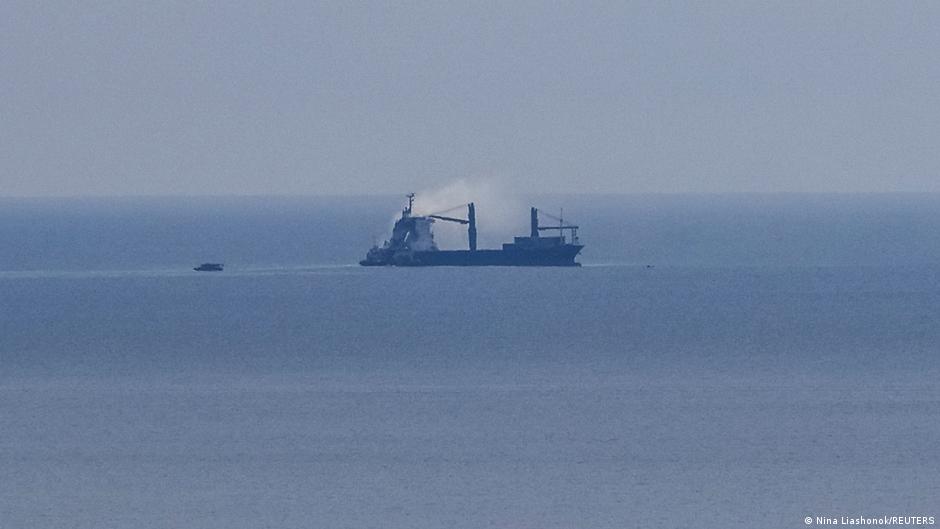
Russia's ongoing attacks on merchant vessels in the Black Sea have escalated tensions and prompted Ukraine to request an emergency session of the United Nations Security Council. Ukrainian Foreign Minister Andrii Sybiha characterized these attacks as "economic and humanitarian terror," highlighting the grave risks to global food security and international trade, with significant implications for U.S. businesses reliant on stable maritime routes.
Disruption of Vital Trade Routes and Global Food Security
On July 22, Ukraine formally sought a special UN Security Council meeting scheduled for July 27 in response to Russia's strikes on civilian cargo ships operating in the Black Sea—a critical corridor for agricultural exports and other commodities. Minister Sybiha warned that continued Russian aggression threatens millions of families worldwide in Africa, Asia, the Middle East, and Latin America with rising prices and hunger.
"If this terror continues, millions of families in Africa, Asia, the Middle East, and Latin America may face rising prices and hunger," Sybiha said.
The Black Sea region serves as a vital artery for Ukrainian grain exports. Disruptions caused by attacks increase volatility in global markets, directly impacting American agribusinesses and commodity traders who depend on reliable shipment routes to maintain supply chains. This instability also fuels inflationary pressures in the U.S. economy, complicating efforts to control rising food costs domestically.
International Diplomatic and Security Coordination
Sybiha engaged in high-level diplomatic consultations with German Foreign Minister Johann Wadephul and Estonian Foreign Minister Margus Tsahkna to coordinate responses aimed at restoring maritime security and navigation freedom in the Black Sea. Discussions included enhancing Ukraine's air defense systems and expanding defense industry partnerships, reflecting broader Western efforts to strengthen Ukraine’s resilience against Russian aggression.
These diplomatic efforts underscore the strategic importance of the Black Sea corridor not only for regional stability but also for safeguarding the interests of Western economies, including the United States.
Operational Status of Ukrainian Ports Amid Conflict
Despite the threats and attacks, Ukrainian authorities report that the port of Chornomorsk, a key hub within the Greater Odessa port complex, continues to operate normally. This port handles substantial volumes of Ukraine’s exports and imports, ensuring that the maritime corridor remains functional to some extent.
However, on July 22, no ships reportedly passed through the Ukrainian maritime corridor, reflecting the chilling effect of maritime hostilities on shipping activities. Russia accuses Ukraine of covertly transporting weapons disguised as civilian cargo through Black Sea routes, complicating navigation and security dynamics.
Military Developments and Maritime Security
Ukrainian drone forces claim to have struck 126 vessels belonging to Russia’s so-called "shadow fleet" in the Sea of Azov and 70 ships in the Black Sea between July 6 and 22. These engagements highlight the ongoing contested control of maritime domains in the region, with potential consequences for commercial shipping and global supply chains.
For U.S. companies, particularly those involved in agriculture, manufacturing, and commodities trading, these developments signal increased risks and uncertainties in global markets. The disruption of Black Sea logistics may lead to higher costs, supply shortages, and the necessity for strategic adjustments in international trade operations.
The U.S. government and allied nations face mounting pressure to respond decisively to preserve maritime security, support Ukraine’s defense capabilities, and mitigate the economic fallout from the escalating conflict. The outcome of upcoming UN deliberations and diplomatic engagements will be closely watched by American policymakers and business leaders alike.