Russian Election Chief Supports Voting Ban for Emigrated Citizens Amid Foreign Agent Crackdown
Ella Pamfilova advocates stripping voting rights from Russians abroad labeled as foreign agents, signaling tighter state control with implications for US-Russia diplomatic ties.
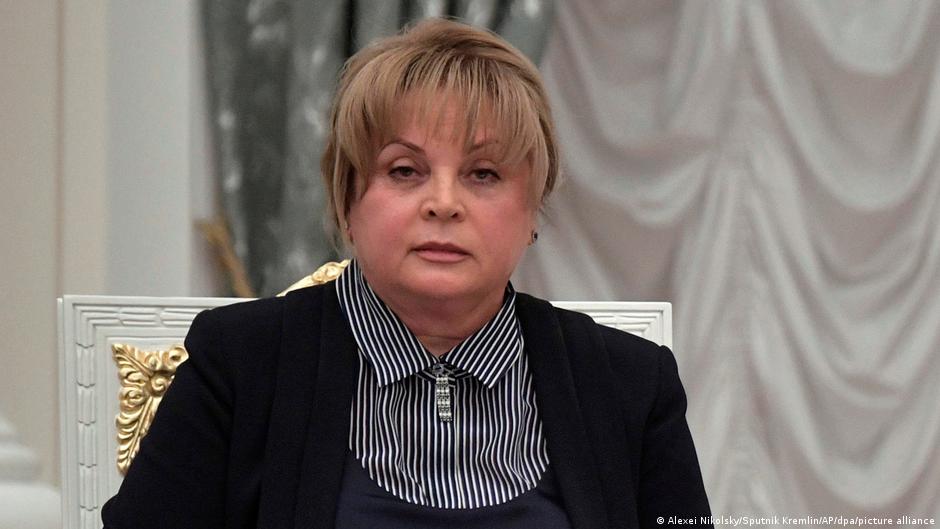
Ella Pamfilova, head of the Russian Central Election Commission (CEC), has publicly supported the notion of stripping voting rights from Russians who have emigrated from the country, especially those designated as "foreign agents." This stance, articulated in a recent interview, underscores a hardening Kremlin posture towards citizens abroad and could have broader implications for US-Russia relations and American businesses operating in Russia.
Voting Rights and the Foreign Agent Law
In comments made during an interview with Komsomolskaya Pravda radio, Pamfilova stated, "I believe that if someone has left the country, betrayed it, they should be kicked out. But this is my position." She suggested that the question of whether so-called foreign agents will retain voting rights should ultimately be decided by the newly convened State Duma deputies.
The term "foreign agent" in Russia refers to a legal label applied to individuals or organizations receiving foreign funding who are then subject to strict government oversight. Initially introduced in 2012 targeting non-profit groups, the list has been expanded to include media outlets since 2017 and private citizens since 2020. Being tagged as a foreign agent carries severe operational restrictions, including mandatory labeling of publications, detailed reporting requirements, potential fines, and criminal liability.
"I believe that law enforcement agencies have the capacity and expertise to define comprehensively who should be deprived of the right to influence Russia's future, including through voting," Pamfilova asserted.
She underscored that the CEC had recommended Russian diplomats in countries designated by Moscow as "unfriendly" to engage with local authorities about ensuring election security. This move reflects concerns that emigrated Russians, particularly those labeled foreign agents, might become politically active against the Kremlin from abroad.
Implications for US-Russia Relations and American Business
Russia's classification of certain countries as "unfriendly" includes the United States, which has maintained sanctions and diplomatic pressure on Moscow following the 2014 Crimea annexation and the 2022 invasion of Ukraine. The push to restrict voting rights for Russians abroad, notably in countries like the US, signals Moscow's intent to tighten control over its diaspora, potentially escalating diplomatic tensions.
For American companies with operations or interests in Russia, these developments pose risks beyond geopolitical friction. The foreign agent law and related electoral restrictions reflect an environment of increased governmental scrutiny and politicization of business and cultural ties. Firms engaging with Russian civil society, media, or expatriate communities may face heightened regulatory hurdles or reputational risks.
Moreover, the Kremlin's approach to labeling and restricting foreign agents fosters an atmosphere where collaboration with Western entities is fraught with legal and political challenges, complicating efforts to maintain stable commercial relations amid ongoing sanctions and countermeasures.
Outlook
As the Russian State Duma prepares to debate potential changes to election laws, including voting rights for citizens abroad, the US and its allies will likely monitor these developments closely. The intersection of electoral policies and foreign agent designations reveals a Kremlin strategy aimed at consolidating domestic control while countering perceived external interference.
American policymakers and business leaders should remain vigilant to these shifts, which underscore the increasingly complex landscape of US-Russia engagement amid broader geopolitical rivalry.