Russian Forces Accused of Executing Over 345 Ukrainian POWs, Implications for US Business and Policy
Allegations of war crimes against Ukrainian prisoners of war by Russian soldiers raise serious concerns for US political and corporate stakeholders.
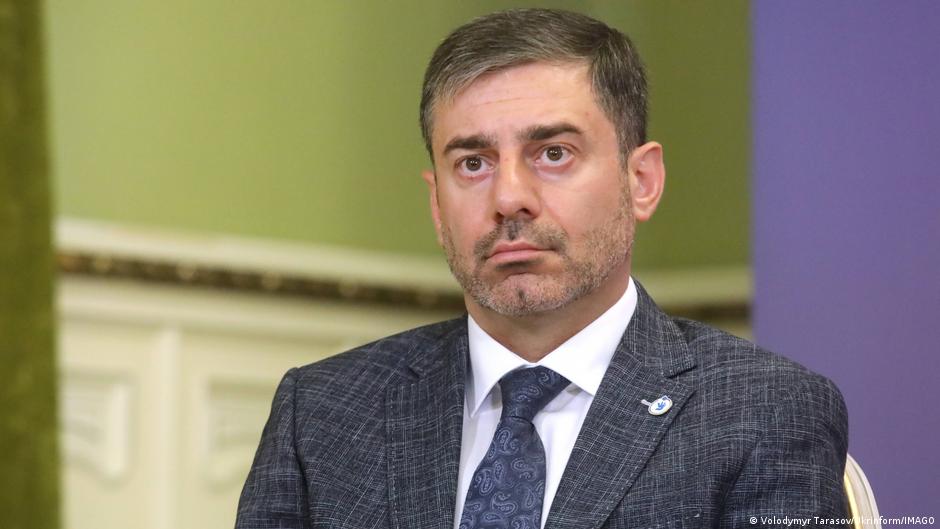
Recent reports have emerged accusing Russian military forces of executing at least 345 Ukrainian soldiers who had surrendered during the ongoing conflict. These allegations, confirmed by Ukraine's parliamentary human rights commissioner Dmitry Lubinets, have significant implications for US policymakers and American businesses operating in or with ties to the region.
Details of Alleged War Crimes and International Law
Since the full-scale invasion began in February 2022, Russian troops reportedly killed Ukrainian servicemen who had laid down their arms and indicated surrender. According to Lubinets, these soldiers displayed clear signs of capitulation such as raising their hands and lying on the ground. Despite this, Russian forces allegedly executed them at close range.
"The killing of surrendered soldiers constitutes a war crime under the Geneva Conventions and must be legally treated as the execution of prisoners of war," Lubinets stated.
Ukraine has documented 375 cases of individuals who died after being confirmed as prisoners of war through the International Committee of the Red Cross (ICRC). This group includes both military personnel and civilians, with bodies repatriated by Russia reportedly showing signs of torture and mistreatment.
Furthermore, Lubinets disclosed extensive evidence of torture methods applied to Ukrainian POWs in Russian custody. These include beatings, electric shocks, sexual violence, psychological pressure, intimidation using dogs, and mock executions. A total of 695 torture incidents and 860 cases of inadequate detention conditions have been recorded, impacting 95% of Ukrainian prisoners.
Implications for US Policy and American Businesses
The documented war crimes raise urgent questions for Washington regarding the US government’s response and the broader international legal framework. This situation puts pressure on US policymakers to consider more stringent sanctions and diplomatic measures against Russia, potentially affecting global trade relations and energy markets.
American companies with investments or supply chains linked to Russia or Ukraine face heightened reputational and operational risks. The intensification of human rights violations may prompt calls for stricter compliance with sanctions and human rights due diligence laws, impacting sectors such as energy, technology, and manufacturing.
Additionally, increased geopolitical instability could disrupt global markets, leading to volatility that affects US businesses both directly and indirectly. Investors and corporate leaders must monitor these developments closely to mitigate risks related to regulatory action, consumer backlash, and supply chain interruptions.
As Washington navigates these complexities, American firms and policymakers alike will need to balance commercial interests with ethical responsibilities, ensuring that business operations do not inadvertently support or enable human rights abuses.