Russian Missile and Drone Strike on Kyiv Tests US-Led Diplomacy and Business Risk
The overnight attack hit residential, educational, industrial and logistics sites as Washington-backed talks showed tentative signs of revival.
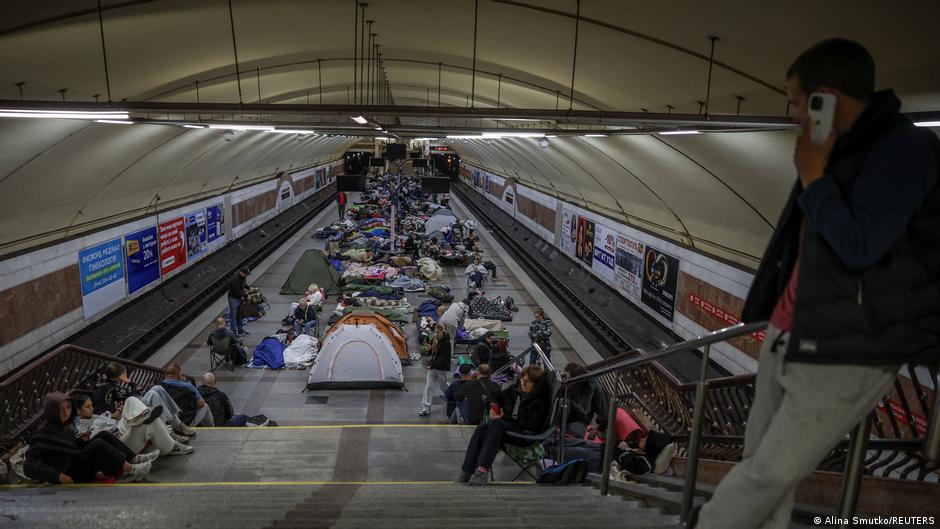
Russia launched overnight strikes on Kyiv using drones and ballistic missiles on September 8, according to the Kyiv City Military Administration, in an escalation that landed directly on the agenda for Washington as U.S. officials weigh the prospects for renewed talks involving Ukraine, the United States and Russia.
The attack damaged residential buildings, triggered fires in several districts and injured six people, according to preliminary information cited by Kyiv Mayor Vitali Klitschko. The reported damage also extended beyond the capital into the Kyiv region, where Ukrainian emergency officials said drone strikes late on September 7 hit the Boryspil and Fastiv districts, including industrial enterprises and a logistics complex.
For U.S. policymakers and businesses, the timing is significant. The strikes came shortly after special representatives of U.S. President Donald Trump, Steve Witkoff and Jared Kushner, left Kyiv overnight on September 7. Following their meeting, Ukrainian President Volodymyr Zelensky said Ukraine was ready for three-way talks in a Ukraine-U.S.-Russia format.
Moscow has not ruled out reviving that trilateral framework, Kremlin spokesman Dmitry Peskov said, while adding that it was still premature to discuss the place and timing of any such talks.
Damage Across Kyiv
In Kyiv’s Solomianskyi district, authorities reported debris falling on a five-story residential building. A separate three-story residential building was also damaged, and a fire broke out in a warehouse space, according to the Kyiv City Military Administration.
Klitschko said medical teams were dispatched to the Solomianskyi district. Preliminary information indicated that six people were injured in the shelling.
In the Darnytskyi district, falling debris damaged a vehicle, the city military administration said. Klitschko also reported fires in nonresidential areas of the Podilskyi and Darnytskyi districts. The administration said garages and cars were burning.
In the Holosiivskyi district, Klitschko said a fire broke out on the grounds of an educational institution after the Russian strike. He also said preliminary information indicated that people had been trapped inside a residential building.
Kyiv officials reported drone and ballistic missile strikes, debris impacts on residential buildings, fires in nonresidential zones and preliminary injuries among civilians.
The pattern described by local authorities underscores the broad operational and economic disruption caused by attacks that combine military pressure with damage to civilian infrastructure. Even when strikes do not directly target commercial assets, falling debris, fires and blocked buildings can slow transport, raise insurance and security costs, and complicate the work of companies and aid organizations operating in or around the capital.
Industrial and Logistics Sites Hit Outside the Capital
Late on September 7, Russian forces used drones to strike the Boryspil and Fastiv districts of Kyiv region, Ukraine’s State Emergency Service said on Telegram.
In the Boryspil district, fires broke out at industrial enterprises. At one site, the fire destroyed seven trucks, according to emergency officials. The State Emergency Service also said the building of one logistics complex was attacked twice. Rescuers arrived quickly and extinguished the fires.
Those details matter for U.S. companies and investors tracking Ukraine-related supply chains. Boryspil is associated internationally with transport access to Kyiv, while logistics facilities in the region are part of the broader network supporting domestic commerce, humanitarian deliveries and wartime procurement. The reported destruction of trucks and repeated attacks on a logistics building point to the kind of physical risk that continues to shape business planning around Ukraine.
No U.S. company was identified in the source reporting as affected by the strikes. Still, the bottom-line implications for American firms are clear: operations tied to Ukraine remain exposed to sudden disruption, including damaged transport assets, warehouse fires, staff safety risks, delivery delays and higher contingency costs.
Washington Implications
The diplomatic backdrop places the attack in a broader U.S. political frame. Witkoff and Kushner’s departure from Kyiv overnight on September 7 was followed by Zelensky’s statement that Ukraine was prepared for trilateral negotiations involving Ukraine, the United States and Russia.
The Kremlin’s response left the door open but offered no concrete timetable. Peskov said Moscow did not exclude the possibility of resuming a three-way negotiating format, but that discussing the location and schedule was premature.
For Washington, that leaves two parallel tracks: managing the political optics of potential negotiations while assessing Russia’s continued use of strikes against Kyiv and the surrounding region. Any renewed diplomatic format would unfold against a security environment in which Ukraine’s capital, residential districts, educational facilities, industrial sites and logistics hubs remain vulnerable.
That dynamic is likely to shape debate in the United States over leverage, security guarantees, sanctions, defense support and reconstruction exposure. For American businesses, the main question is not only whether diplomacy restarts, but whether it can produce conditions stable enough to reduce operational risk.
The latest reported strikes show how quickly those calculations can change. A night of drones and ballistic missiles produced residential damage in Kyiv, fires in multiple districts, injuries, damaged vehicles, industrial fires outside the capital, destroyed trucks and a repeated hit on a logistics complex. Each of those details feeds into the larger risk profile facing companies with Ukraine exposure, from transport and energy-adjacent services to insurance, infrastructure, food supply and humanitarian contracting.
As of the reports cited by Kyiv officials and Ukraine’s emergency service, the immediate response remained focused on extinguishing fires, assisting residents and assessing damage. The political consequence is that any U.S.-backed diplomatic opening is now being measured against fresh evidence of Russia’s willingness to strike Kyiv and its surrounding commercial infrastructure while talks are still only a possibility.



