Russian Northern Fleet Anti-Submarine Ship Deploys Near Germany, Raising Baltic Security Concerns
The Admiral Levchenko has been relocated from the Barents Sea to the Baltic to guard Russian 'shadow fleet' vessels near German waters.
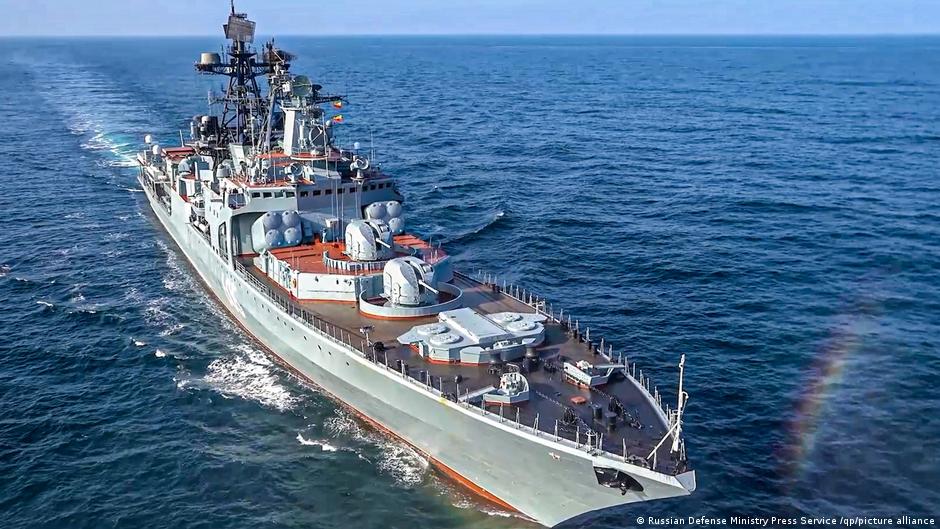
In a recent strategic maneuver, Russia has redeployed one of its largest Northern Fleet anti-submarine ships, the Admiral Levchenko, from the Barents Sea to the Baltic Sea, positioning it near the German island of Fehmarn. German media first observed the vessel on July 31, capturing images from the German coast and reporting its passage north of Rostock.
Implications for Baltic Security and US Interests
The Admiral Levchenko's redeployment is significant in the context of the ongoing maritime security dynamics in the Baltic region. While Russian authorities have not publicly disclosed the ship's mission, it is widely believed to be tasked with protecting Russia's so-called "shadow fleet" — vessels engaged in transporting Russian oil under ambiguous or opaque conditions, often circumventing international sanctions.
This vessel appears to be replacing another Northern Fleet ship, the Severomorsk, which had previously patrolled the Fehmarn Belt strait between Denmark and Germany, ensuring the security of these critical maritime routes for Russian commercial shipping. The Severomorsk withdrew from the area at the end of June, officially concluding its long-range deployment.
"The Admiral Levchenko's presence near Germany underscores Russia's intent to maintain robust naval operations in the Baltic, a crucial artery for European and transatlantic trade."
For American policymakers and businesses, this development signals continued Russian efforts to assert naval power in proximity to NATO member states, complicating the security environment. The Baltic Sea is a vital conduit for energy shipments and commercial goods, and disruptions or increased military activity could impact shipping lanes critical to US and European supply chains.
Furthermore, accompanying maneuvers involve high-profile Russian assets such as the superyacht Graceful, built at a German shipyard and linked to Russian President Vladimir Putin. The vessel, moved from Hamburg to Kaliningrad shortly before Russia's 2022 invasion of Ukraine, is now reportedly en route to Murmansk, despite official records stating Istanbul as its destination. Analysts suggest these movements aim to shield the yacht from potential Ukrainian drone attacks, highlighting Moscow's efforts to safeguard key assets amid intensifying regional conflicts.
As the US continues to enforce sanctions targeting Russian oligarch-linked properties and shipping networks, the Admiral Levchenko's Baltic deployment typifies Russia's strategic balancing act between military presence and economic maneuvering. Washington will likely monitor these naval shifts closely, considering their implications for NATO's eastern flank and the security of maritime trade routes vital to US economic interests.



