Russian Pro-Kremlin Blogger Imprisoned After Criticizing Putin and War, Raising US Business Concerns
The detention of pro-Kremlin blogger Ilya Remeslo after his sharp criticism of Putin highlights increasing risks for US companies amid Russia’s political crackdown.
Russian pro-Kremlin blogger Ilya Remeslo, once a vocal supporter of the government and opponent of the opposition, has been sent to pretrial detention following a psychiatric evaluation amid charges of spreading "fake news" about the Russian military. This development underscores the intensifying political repression in Russia, with potential repercussions for U.S. businesses operating in or engaging with the Russian market.
Political Repression and Its Impact on US Business Environment
Remeslo, known for his past role as a member of Russia’s Public Chamber and his active denunciations of opposition figures, notably Alexei Navalny and the Anti-Corruption Foundation, suddenly turned against President Vladimir Putin and Russia’s war on Ukraine in March 2026. His critical Telegram posts accused Putin of usurping power, declared him an illegitimate president, and labeled him a war criminal and thief.
Shortly after these posts, Remeslo was hospitalized for psychiatric evaluation at the Serbsky Institute, a facility historically notorious for using psychiatry as a tool of political repression during the Soviet era. Following his release, Remeslo confirmed his commitment to continue opposing the Russian authorities despite mounting legal pressures.
"I do not renounce my previous words and consider myself the head of Russia’s opposition movement," Remeslo stated in an interview shortly after his hospitalization.
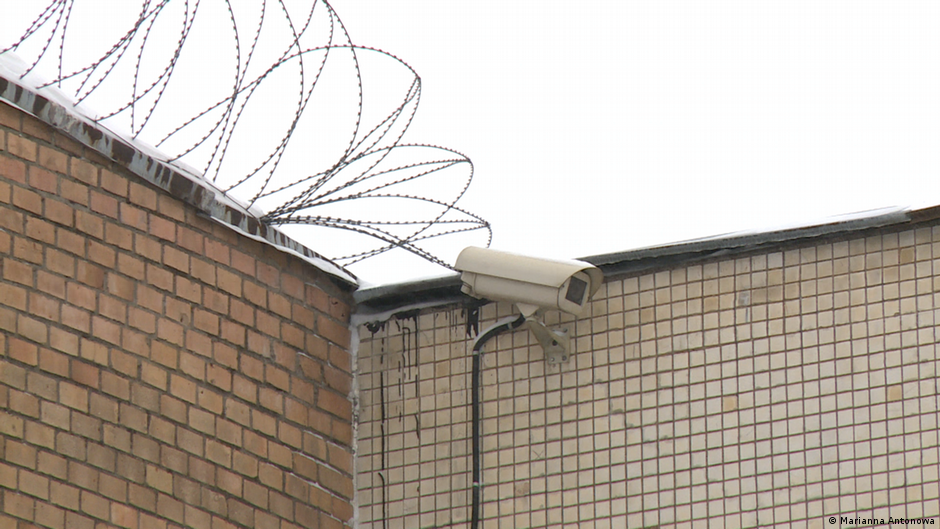
His statements became part of the evidence in the criminal case against him. Arrested in St. Petersburg in mid-July, Remeslo is now held in Moscow’s pretrial detention center No. 7, with the court proceedings expected to continue through mid-September. The charges carry a sentence of up to ten years in prison.
This case not only reflects the shrinking space for political dissent within Russia but also serves as a warning sign for American companies. The increasingly hostile environment, marked by unpredictable legal risks and government crackdowns, complicates business operations, investment decisions, and risk assessments involving Russian counterparts.
Furthermore, the use of psychiatric institutions to silence critics recalls historical abuses and signals a deepening authoritarian approach that may impact the stability and transparency of the business climate.
For US businesses already navigating sanctions and geopolitical tensions, this development emphasizes the need for heightened due diligence and cautious engagement strategies. The political repression and judicial actions against prominent figures like Remeslo contribute to an environment where corporate risk is amplified by political volatility.
As Washington continues to debate policies on Russia, cases like Remeslo’s underline the complexities American companies face in balancing economic interests against ethical considerations and compliance with international laws.