Russian Regions Restore Gasoline Limits as Refinery Attacks Strain Supply
Fuel rationing in Kaluga and Zabaikalsky Krai underscores how Ukraine’s refinery strikes are feeding Russia’s second gasoline crunch of the year.
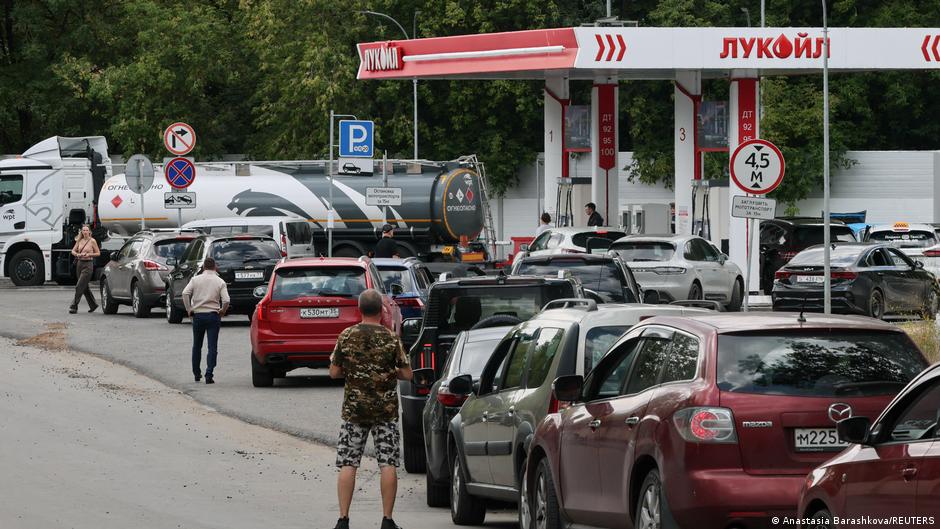
Authorities in Russia’s Kaluga region and Zabaikalsky Krai are reintroducing restrictions on gasoline sales as intensified Ukrainian attacks on Russian oil refineries disrupt fuel supplies and revive queues at filling stations.
In Kaluga, a region bordering Moscow and the Moscow region, gasoline limits return on September 23, regional governor Vladislav Shapsha said on Tuesday, September 22. Drivers will be allowed to refuel on alternating even and odd days, depending on the first digit of their vehicle registration number. Gasoline may be dispensed only into a vehicle’s tank, limiting purchases in separate containers.
The measures come as strikes by Ukraine’s armed forces against Russian refineries have intensified, forcing regional officials and fuel retailers to manage local shortages through rationing. For Washington and U.S. businesses, the developments offer another signal that the war’s economic pressure points are extending beyond the battlefield and into Russia’s domestic energy logistics, a sector central to Moscow’s budget, military mobility and broader economic resilience.
“We are now recording local logistical disruptions in fuel deliveries to individual filling stations. Queues have returned. This causes justified dissatisfaction,” Shapsha wrote on his Telegram channel.
Kaluga had already imposed even-odd gasoline restrictions on August 15 before lifting them on September 1. Their return less than a month later suggests that regional fuel systems remain vulnerable even after temporary relief, particularly as Ukrainian drone attacks continue to target refining capacity.
Regional rationing returns after summer restrictions
In Zabaikalsky Krai, the regional operational headquarters also announced new restrictions beginning September 23. The BRK and Kors filling station networks will impose limits of 15 liters of AI-92 and AI-95 gasoline per vehicle.
Buyanto Batomunkuev, the first deputy chairman of the regional government, said the limits were necessary because total fuel reserves at filling stations and oil depots amount to 17,000 tons. At the current pace of sales, he said, that supply would last only 20 days.
Zabaikalsky Krai introduced similar restrictions in June and lifted them on July 23. The recurrence of limits there mirrors the pattern in Kaluga: emergency rationing is being withdrawn when supplies stabilize, only to return when the refinery system faces renewed strain.
Fuel sales restrictions, introduced either by regional authorities or by filling station chains themselves, appeared this summer across almost all Russian regions, as well as in annexed Crimea. Problems with fuel deliveries forced Russian President Vladimir Putin on June 28 to order systemic measures to stabilize the market.
The fuel deficit emerged after Ukrainian drone attacks on Russian refineries. Ukraine has been defending itself for more than four years against Russia’s military invasion. Fires and strike damage at refineries forced facilities to reduce output or halt production entirely. Restrictions were later canceled, but beginning in early August, Ukrainian attacks on refineries intensified again, triggering what the source article describes as a second wave of Russia’s fuel crisis.
Why the shortages matter for Washington and U.S. firms
For U.S. policymakers, renewed gasoline rationing inside Russia is relevant not only as a measure of wartime disruption but also as an indicator of stress in a critical economic system. Refineries convert crude oil into fuels needed by consumers, transport operators, agriculture and the military. When refinery operations are interrupted, the impact is more immediate and politically visible than a fluctuation in crude exports alone.
The Kaluga restrictions are especially notable because the region sits near Moscow, Russia’s political and commercial center. Fuel queues and rationing in areas adjacent to the capital can carry greater domestic sensitivity than shortages in remote markets, even when officials describe disruptions as local and logistical.
For American companies, the direct commercial exposure to Russia remains sharply constrained by sanctions, market exits and compliance obligations. Still, executives in energy, logistics, agriculture, insurance and manufacturing have reason to watch the pattern. Persistent disruptions in Russian refined products can influence regional diesel and gasoline flows, complicate shipping and trading decisions by non-U.S. counterparties, and affect broader risk pricing in energy markets.
The developments also matter for companies managing geopolitical risk. Ukrainian strikes on refineries highlight how infrastructure attacks can reshape supply chains without necessarily targeting export terminals or headline crude production. For firms with exposure to energy-intensive inputs, freight costs or Europe-linked commodity markets, refinery outages in Russia are part of the wider war-risk environment that can affect planning and hedging.
By mid-September, Russia’s gasoline deficit had worsened: fuel was unavailable at nearly every second filling station, according to Novaya Gazeta Europe, citing data from the gdebenzin service. That reported scale points to a market problem broader than isolated inconvenience, even if restrictions vary by region and by retail network.
The return of rationing in Kaluga and Zabaikalsky Krai does not by itself establish a nationwide breakdown. But it does show that the earlier summer measures did not resolve the underlying vulnerability. As long as refinery strikes continue and regional logistics remain strained, Russian authorities may face repeated cycles of limits, queues and public frustration.
For Washington, that creates both strategic evidence and policy questions. The evidence is that attacks on refining infrastructure are imposing visible costs on Russia’s domestic economy. The policy question is how those disruptions interact with U.S. sanctions strategy, allied energy security, and the broader effort to limit Moscow’s capacity to sustain its war while avoiding unnecessary shocks to global fuel markets.