Saudi Pipeline Outage Threatens 4% Hit to Global Oil Supply
A prolonged shutdown of Saudi Arabia’s East-West pipeline could tighten crude markets and raise new energy-security questions in Washington.
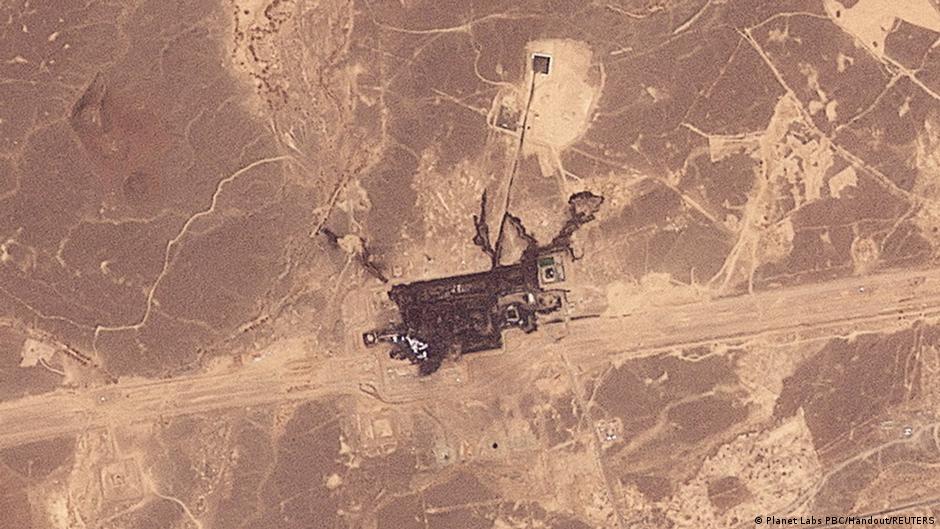
A prolonged shutdown of Saudi Arabia’s East-West oil pipeline could cut global oil supplies by 4 percent if Riyadh cannot restore the route in the coming days, according to Reuters, citing informed sources in the oil market. The pipeline was halted after a drone attack by the Houthis, and Saudi authorities have not provided full details on the scale of the damage or the timing of a restart.
For Washington and U.S. businesses, the disruption comes at a politically sensitive moment. The East-West pipeline is not just another piece of Saudi energy infrastructure. It is the kingdom’s main overland route linking its eastern oil fields to Yanbu, a Red Sea port that allows Riyadh to export millions of barrels a day without relying on the Strait of Hormuz, where traffic has been restricted by Iran.
The pipeline was suspended on September 11. Saudi Arabia’s Energy Ministry said at the time that the shutdown was a “precautionary measure” after drone strikes from Iraqi territory hit the Riyadh and Medina provinces. How long repairs will take remains unclear.
One Reuters source said repairs could take five to six weeks, while another said work might be completed faster and pumping could resume before repairs are fully finished.
Why the Pipeline Matters to Washington
The East-West pipeline runs for 1,200 kilometers across Saudi Arabia, connecting the country’s core oil-producing region in the east with the Red Sea port of Yanbu. Its strategic importance grew sharply after the start of the war against Iran, when Saudi Arabia significantly increased use of the route. By June, exports through the pipeline had reached nearly 8 million barrels per day, according to an estimate by the International Energy Agency.
That makes the line a critical bypass around the Strait of Hormuz, one of the world’s most important oil transit corridors. Any disruption to the Saudi alternative route can quickly become a global concern, especially for U.S. policymakers already managing the political and economic fallout from instability in the Gulf and Red Sea.
A 4 percent decline in global oil supplies would be large enough to ripple through energy prices, fuel markets and corporate planning. For American companies, the immediate risk is not limited to crude buyers. Airlines, logistics operators, manufacturers, chemical producers and retailers with heavy transportation exposure could face higher costs if the outage tightens global supply and pushes benchmark prices upward.
The political stakes are equally direct. Higher fuel prices remain one of the most visible ways geopolitical shocks reach American households and businesses. Even when U.S. crude production is strong, global oil markets are interconnected, and disruptions to Middle Eastern exports can affect prices paid by U.S. refiners and consumers.
Red Sea Risks Add Pressure
The shutdown follows weeks in which the route’s effective capacity had already been reduced by Houthi attacks on Saudi tankers in the Red Sea. In August, shipments through Yanbu were about 2.5 million barrels per day, the lowest level since 2013, according to the latest monthly report from the International Energy Agency.
That drop suggests the pipeline’s role as a Hormuz alternative has been under pressure even before the September 11 suspension. The latest disruption therefore reinforces a broader vulnerability: Saudi Arabia’s export flexibility depends not only on the physical condition of the pipeline, but also on the security of Red Sea shipping lanes.
For U.S. officials, that combination complicates the policy calculus. Washington has long viewed Saudi spare capacity and export infrastructure as essential shock absorbers in global energy markets. If attacks can simultaneously pressure pipelines, tankers and maritime routes, the cushion available to stabilize supply becomes less reliable.
Saudi authorities have so far withheld a full accounting of the damage to the East-West pipeline. That lack of clarity matters for markets. Oil traders, refiners and large industrial buyers typically respond not only to confirmed supply losses but also to uncertainty over how long infrastructure will remain impaired.
In April, the East-West pipeline was also attacked, but Saudi Aramco, the national oil company, quickly returned it to service. The current incident is drawing closer attention because market sources are openly discussing the possibility of a much longer repair window.
Bottom-Line Impact for U.S. Businesses
The key business question is whether Riyadh can restart pumping quickly enough to prevent a material drawdown in export-ready crude stocks. Reuters’ sources said that if the pipeline is not restored in the coming days, Saudi Arabia could face a shortage of oil reserves available for export. Their estimate points to a possible 4 percent reduction in global supply.
For U.S. companies, the practical implications would be felt through energy costs, freight rates and inflation expectations. Airlines and trucking firms would be among the first to watch jet fuel and diesel prices. Industrial companies that rely on petrochemical feedstocks would also monitor whether crude tightness spills into downstream markets.
The episode could also sharpen debate in Washington over energy security, Gulf policy and the protection of maritime trade routes. A Saudi pipeline outage may occur thousands of miles from the United States, but the consequences can land in U.S. boardrooms quickly if crude benchmarks move, hedging costs rise or supply contracts become harder to price.
For now, the market is waiting on two pieces of information Saudi officials have not fully provided: how badly the pipeline was damaged and when sustained pumping can resume. Until then, the East-West route remains a focal point for both energy traders and policymakers assessing how much stress the global oil system can absorb.



