Serbia to Hold Early Parliamentary Elections in October Amid Political Turmoil
President Aleksandar Vučić announces snap elections months ahead of schedule, signaling potential shifts impacting US interests in the Balkans.
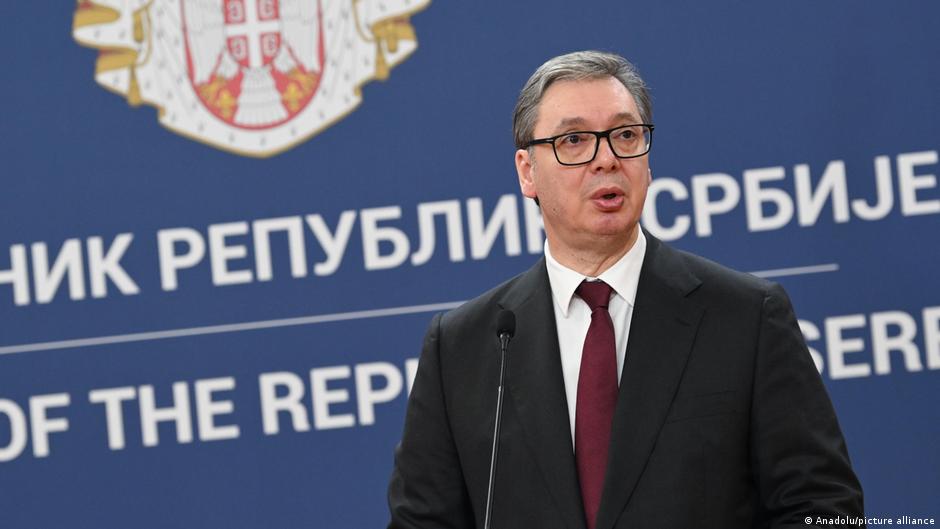
Serbia is set to hold early parliamentary elections in October 2023, announced President Aleksandar Vučić on August 20. The vote will occur on either October 18 or 25, more than a year before the originally scheduled elections in 2026.
Political Context and Implications for US Businesses
Vučić, who has been in power for 12 years and whose current presidential term extends until mid-2027, indicated intentions to resign early from the presidency. Serbia's constitution limits a president to two terms, thereby raising questions about the country’s leadership trajectory.
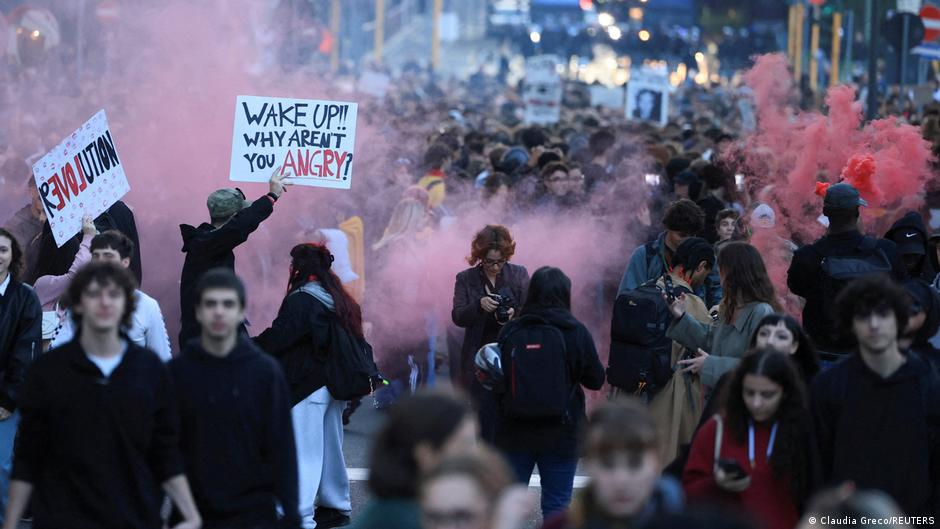
The announcement comes amid ongoing widespread protests triggered by a deadly infrastructure collapse at Novi Sad's railway station, where 16 people died. These demonstrations, sustained for over a year, cite systemic corruption and governmental mismanagement as core grievances.
"Approximately 80% of Serbians support anti-corruption demands, and 64% back the protests," according to recent public opinion polls.
For US businesses, Serbia represents a strategic gateway into the Balkans with various investment opportunities, particularly in infrastructure, energy, and technology sectors. However, political instability and allegations of entrenched corruption present risks to foreign investors, including American companies.
Washington has vested interests in promoting democratic governance and transparency in the region to foster stable trade and investment environments. Early elections could either renew Vučić's mandate or pave the way for a government more aligned with Western democratic standards, potentially affecting bilateral economic relations.
US policymakers and investors will be closely watching the election outcomes, as shifts in Serbia’s political landscape could influence regional security dynamics, US strategic partnerships, and the business climate for American enterprises involved in the Balkans.