Steinmeier Urges Europe to Resist ‘Ruthlessness’ From Russia and the US Amid Global Shifts
German President Steinmeier calls for a rules-based international order and pragmatic US relations to protect European interests and stability.
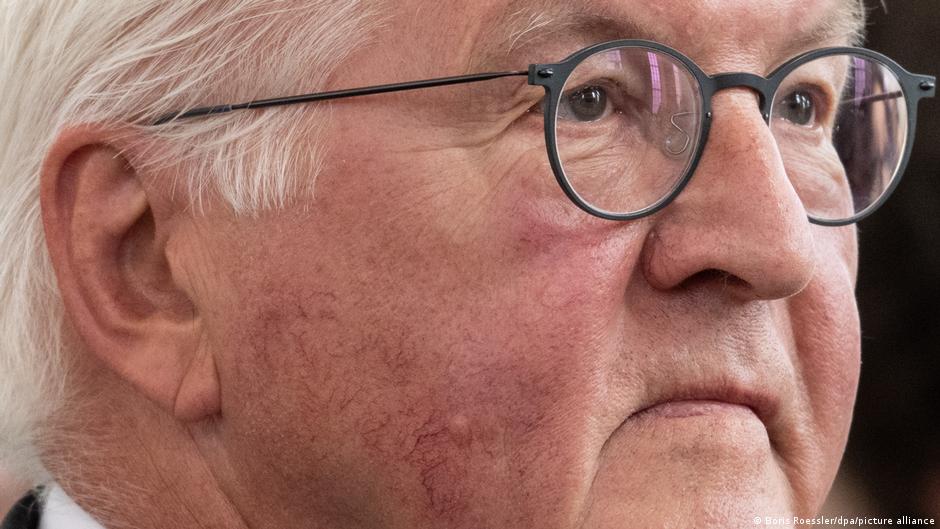
In a recent summer interview with German broadcaster ZDF, Federal President Frank-Walter Steinmeier highlighted the urgent need for Europe to confront what he described as a rising "new spirit of ruthlessness" promoted by both Russia and the United States. Steinmeier warned that the invasion of Ukraine by Russia and shifting US values have created a "double epochal rupture," demanding a distinct European response grounded in law and order.
Europe’s Path Amid US-Russia Realignments
Steinmeier emphasized that Europe, including Germany, must not emulate the great powers’ approach of operating without adherence to international law and norms. "Moscow and Washington may coexist momentarily in a world lacking rules, even profiting temporarily," he remarked, "but we cannot. We need international order, we need law and rules." This assertion suggests a call for the European Union and its allies to reinforce a rules-based global system as a bulwark against geopolitical instability.
While acknowledging the challenges in transatlantic relations, Steinmeier advocated for a pragmatic stance toward the United States, deliberately avoiding direct references to then-President Donald Trump. His comments reflect German and European interest in maintaining cooperation with Washington despite policy disagreements or shifts in American political leadership.
"Europe must offer a response rooted in principles rather than mimic the ruthlessness seen from great powers," Steinmeier said.
In addition to geopolitical concerns, the German president praised a significant package of social reforms recently introduced by Germany’s governing coalition under Chancellor Friedrich Merz. He described the reforms, unveiled July 2, as an important development but cautioned that their success ultimately depends on achieving economic growth. Without growth, Steinmeier warned, the current government risks failing to regain public trust and respect.
Implications for US Businesses and Political Landscape
Steinmeier’s remarks underscore the complex balancing act facing American businesses and policymakers. The call for a rules-based international order signals potential challenges to US actions seen as unilateral or transactional, which can affect the stability of markets and international trade frameworks. US companies operating in Europe should anticipate continued emphasis on legal frameworks and regulations that promote fair competition and transparency.
Furthermore, Steinmeier’s nuanced approach toward US relations indicates German willingness to engage constructively, which may open pathways for dialogue and cooperation despite political tensions. American firms involved in transatlantic trade and investment could benefit from such pragmatic diplomacy, as efforts to stabilize and strengthen alliances enhance predictability and reduce geopolitical risk.
The president also addressed the rising support for the far-right Alternative for Germany (AfD) party in eastern German states ahead of key regional elections this September. He urged center parties to prevent extremists from gaining absolute majorities, cautioning that the democratic system’s preservation depends on voters’ active choice. For US observers, this highlights a persistent challenge in European politics that could influence economic and security cooperation in the region.
While Saxony-Anhalt accounts for only 3 percent of Germany’s electorate, Steinmeier emphasized the importance of upcoming parliamentary elections in Berlin and Mecklenburg-Vorpommern. The results could impact Germany’s internal political stability and its role within the European Union, both critical factors for US strategic and economic interests.
In conclusion, Steinmeier’s call for Europe to uphold international law, pursue pragmatic engagement with the US, and address internal political fragmentation resonates with Washington’s focus on maintaining strong transatlantic alliances and stable global markets. American companies and policymakers should monitor these developments closely, as Europe’s approach to these challenges will influence the broader geopolitical landscape and commercial environment.