Trump Announces Historic Hamas Disarmament Agreement Amid Gaza Conflict
US President Donald Trump declares full disarmament deal with Hamas, signaling a major shift in Gaza peace efforts with implications for American interests.
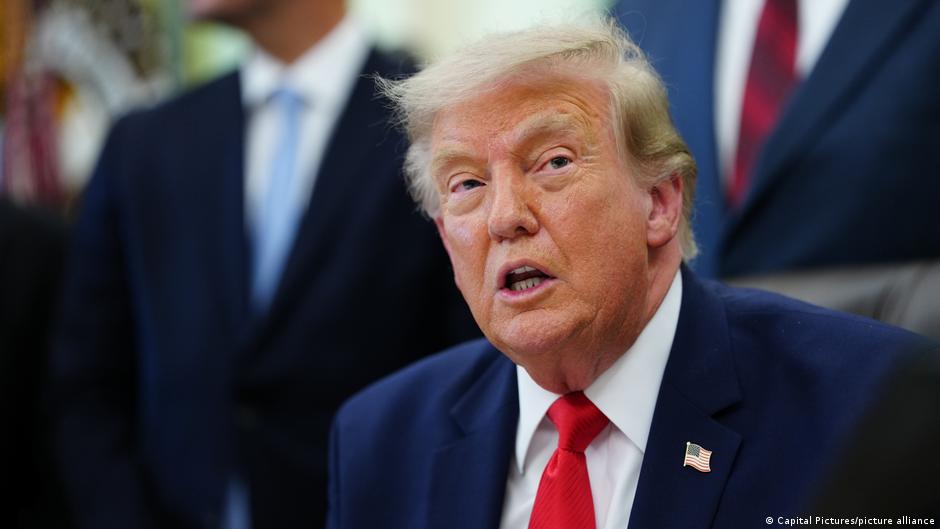
On July 20, US President Donald Trump declared the achievement of a "historic agreement" for the complete disarmament of Hamas, the radical Islamist group controlling the Gaza Strip. This development marks a significant step toward forming a new Palestinian government and stabilizing the region, with potential effects on American business and political interests.
Details and Diplomacy Behind the Agreement
President Trump announced via the social media platform Truth Social that the US-led Peace Council had secured the disarmament of Hamas and all other armed factions within Gaza. He characterized the deal as "a grand step toward lasting peace and security." Trump credited Egypt, Qatar, and Turkey as key mediators facilitating the phased disarmament process.
"This is a grand step toward lasting peace and security," Trump declared, emphasizing the phased nature of Hamas's disarmament.
Senior Hamas officials confirmed to AFP news agency that the agreement with the US had been reached. However, Israel, a central party in the conflict, has yet to issue an official comment on the development.
Negotiations for the second phase of the US plan, involving an incremental Israeli military withdrawal from Gaza, have been ongoing in Egypt for several weeks. The subsequent transition of governance is expected to be managed by a US-backed Palestinian technocratic committee. This approach aligns with Israel's prior insistence that Hamas's disarmament is essential for any de-escalation in the area.
Context and Implications for US Interests
The conflict intensified dramatically on October 7, 2023, when Hamas launched a large-scale attack on Israel, involving rocket barrages and ground incursions that resulted in approximately 1,200 Israeli deaths and the capture of around 250 hostages. This assault triggered Israel's declaration of war against Hamas, escalating the conflict and leading to extensive casualties in Gaza.
The Palestinian Ministry of Health, under Hamas control, reported over 71,000 deaths in Gaza due to Israeli military operations. However, the accuracy and breakdown of this figure, including the distinction between militant and civilian casualties, remain unclear.
For American businesses and policymakers, the agreement's successful implementation could stabilize a region of high geopolitical risk. Stability in Gaza could reduce volatility in global energy markets and lessen disruptions in international trade routes. Moreover, improved security conditions may create openings for US companies interested in infrastructure, technology, and humanitarian projects within Palestinian territories.
Nevertheless, uncertainties remain. The absence of an official Israeli response suggests that diplomatic challenges persist, and the phased approach to disarmament requires sustained international oversight. Washington's role as a mediator and its influence over the peace council will be critical in ensuring compliance and progress.
As President Trump framed the deal as historic, US businesses and political actors will closely monitor developments, balancing hopes for regional stability against the complex realities on the ground.