Trump Expects New Iran Talks as Hormuz Dispute Tests US Business Outlook
Washington is pressing for a broader deal on Iran’s nuclear program while Tehran seeks relief tied to reopening the Strait of Hormuz.
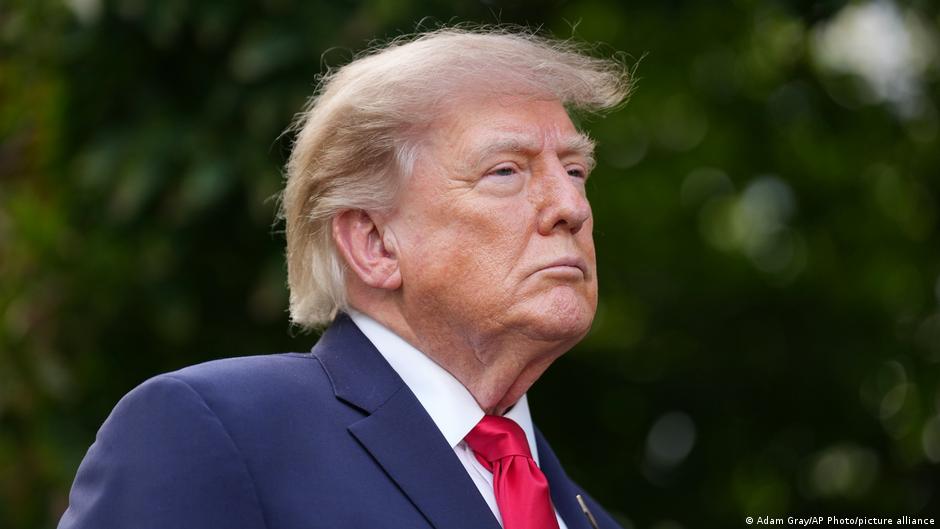
President Donald Trump expects negotiations with Iran to resume in the coming days, keeping Washington focused on a confrontation that carries direct consequences for energy markets, shipping routes and US companies exposed to volatility in the Gulf. His comments came after the White House rejected a seven-day plan proposed by Tehran to reopen the Strait of Hormuz, one of the world’s most sensitive maritime chokepoints.
Trump said in a telephone interview with Axios on Sunday, September 27, that he anticipates another round of talks with Iran in the coming week. The statement signals that the administration is leaving room for diplomacy even as it maintains pressure for a broader agreement than the one Tehran has put forward.
“I expect new talks with Iran next week. They want to make a deal, but it is not the deal I want to make,” Trump said, according to the source article.
Trump added that the United States might have accepted such terms a year ago, but said Tehran had overestimated its position. Asked whether he was considering a resumption of strikes against Iran, the US president replied that he is “always thinking about it.”
Washington Wants More Than a Shipping Deal
The dispute is not only about the immediate status of the Strait of Hormuz. According to Axios, Washington and Tehran are approaching a possible agreement from sharply different angles. Iran wants any talks to focus on the full reopening of the waterway and the lifting of the US maritime blockade. The Trump administration is insisting on a wider package that would include concessions on Iran’s nuclear program.
For US businesses, that gap matters. A narrow shipping arrangement could ease pressure on companies exposed to energy prices, marine insurance, logistics and global supply chains. A wider security agreement, however, would be more politically consequential in Washington and potentially more durable for businesses trying to assess risk over the coming quarters.
Two regional sources cited by Axios and speaking anonymously also confirmed Trump’s remarks about the likely resumption of negotiations. They expect Qatari mediators, who had previously participated in meetings between representatives of Washington and Tehran, to hold meetings on September 28 with Iranian Foreign Minister Abbas Araghchi and US presidential special envoy Steve Witkoff.
Qatar’s expected role underscores the degree to which the White House is relying on regional intermediaries while preserving a hard line in public. The talks, if they proceed, would come at a moment when the administration is balancing diplomatic pressure, military signaling and domestic political calculations in the run-up to the November congressional midterm elections.
Hormuz Plan Rejected
Several days before Trump’s Axios interview, Araghchi said Tehran had proposed restoring shipping through the Strait of Hormuz after one week, provided certain conditions were met, and resuming negotiations on a long-term settlement of the conflict. Media reports named those conditions as an end to fighting on all fronts, including Lebanon; the removal of the blockade on Iranian ports; the unfreezing of Tehran’s assets; and the lifting of restrictions on Iranian oil exports.
On September 26, Trump said he had rejected Iran’s proposal. He argued that Tehran wanted an immediate reopening of the strait because it was suffering severe losses. The president said Iran wanted a deal and added that he also likes making deals, but described the proposal as unacceptable.
The rejection leaves US companies watching for the next signal from Washington. Energy producers, airlines, manufacturers and retailers can all be affected by disruptions linked to Gulf shipping, whether through fuel costs, delivery delays, insurance premiums or uncertainty in global commodity markets. Even without new figures from the administration, the political stakes are clear: a prolonged standoff over Hormuz would ripple well beyond foreign policy circles.
The Strait of Hormuz is central to the confrontation because Tehran’s proposal treats its reopening as the immediate priority, while the White House is using the crisis to press for broader strategic concessions. That approach may appeal to hawks in Washington who want the administration to avoid a short-term bargain that leaves Iran’s nuclear program outside the settlement. It may also increase the risk of a longer negotiation, with markets left to price in uncertainty.
The Wall Street Journal had earlier reported, citing unnamed interlocutors, that Trump had decided to reject Iran’s proposal. According to the newspaper, the US president also told aides that he intended to resume bombing Iran after the November congressional midterm elections. The Journal’s sources said Trump considers a new military operation “highly likely” because he is skeptical that Tehran is ready to meet his demand for a complete abandonment of its nuclear program.
That reported timeline places Iran policy directly inside the Washington political calendar. For American businesses, the bottom-line issue is whether the administration can convert pressure into a settlement that restores shipping stability without triggering a wider conflict. Trump’s latest comments suggest negotiations remain possible, but the distance between Tehran’s maritime-focused proposal and Washington’s demand for nuclear concessions remains the central obstacle.



