Trump Lifts 50% Tariffs on Select Canadian Goods, Shifts Levies
The White House is easing duties on Canadian paper and packaging products while imposing tariffs on a new range of consumer goods.
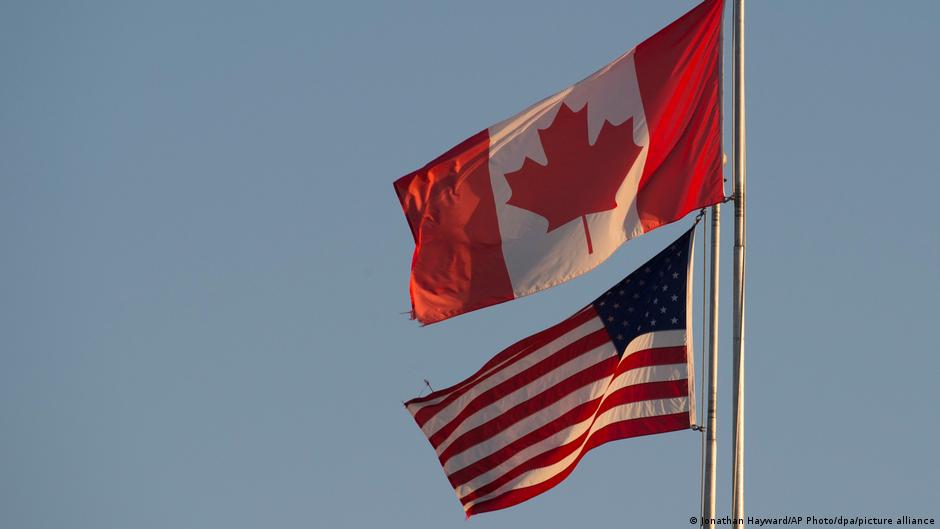
President Donald Trump has signed an executive order removing 50% US customs duties from a selection of Canadian goods beginning October 30, while simultaneously placing tariffs on other product categories imported from the neighboring country.
The order, signed Friday, October 23, marks a recalibration rather than a broad retreat from Washington’s trade pressure on Ottawa. For American businesses, the changes divide the immediate impact by industry: some manufacturers and buyers will receive relief on Canadian industrial inputs and packaging materials, while importers and retailers handling newly listed products will face additional tariff exposure.
The United States is lifting the 50% duties on plywood, certain paper products, machinery used by the pulp and paper industry, packing cases and cardboard boxes. Fresh and dried seaweed are also included among the Canadian goods receiving relief.
The decision could reduce tariff-related costs for US companies that purchase affected Canadian materials or equipment. The inclusion of boxes, cases and paper products makes the change relevant beyond the paper industry itself because packaging is used across a wide range of American supply chains. The order, however, does not end the wider dispute or remove all barriers affecting bilateral commerce.
White House shifts tariff burden to new categories
To balance the tariff relief, the White House added a separate group of Canadian products to the list of goods subject to US duties. Those categories include carpets, paints, shampoos, cocoa powder, wooden coffins, ice-pop sticks, air conditioners and freezers. Archery goods and canoes will also face tariffs.
The result is a shift in the commercial burden rather than a uniform easing of trade restrictions. American companies dependent on the products removed from the 50% tariff list may benefit from lower import costs after October 30. Businesses importing the newly targeted categories, by contrast, will need to account for the duties in purchasing, pricing and supply decisions.
The action also carries political implications for Washington because it maintains pressure on Canada while offering targeted relief to industries affected by the earlier levies. The product-by-product approach gives the administration room to adjust the economic effects of its Canada policy without abandoning tariffs as a negotiating instrument.
Ottawa is assessing the US action, according to Dominic LeBlanc, Canada’s minister responsible for intergovernmental affairs and trade with the United States.
Ottawa is “ready to work constructively and in good faith to build a more mutually beneficial trade relationship that takes Canada’s interests into account,” LeBlanc said.
His comments signal that Canada is reviewing both sides of the order: the removal of high duties from some exports and the extension of tariffs to other Canadian industries. The next steps from Ottawa could matter to American businesses if Canada modifies its own retaliatory measures or responds with further trade action.
Tariff dispute reflects broader political strain
The dispute over the US-Canada trade arrangement, including reciprocal tariffs of 50%, has become one of the clearest signs of deteriorating relations between Washington and Ottawa since Trump returned to the presidency. Trump has repeatedly spoken about the possibility of incorporating Canada into the United States as its 51st state, remarks that have added a political dimension to the economic confrontation.
The latest order follows an earlier escalation. At the end of September, the United States indefinitely suspended imports of several products from Canada. The affected goods included alcoholic beverages, beer, sparkling wine and whey, as well as certain dairy products and motorcycles.
Washington took that step after Ottawa decided to respond in kind to higher customs duties introduced by US authorities in August. The sequence underscores the risk facing companies on both sides of the border: a tariff decision aimed at one group of products can prompt retaliation and restrictions across unrelated sectors.
For US businesses, the October 30 changes create a mixed bottom-line picture. Importers of Canadian plywood, paper, industrial machinery and packaging can prepare for the removal of the 50% duties, while companies sourcing carpets, paints, personal-care products, cocoa powder, appliances and the other newly covered goods must assess the added tariff costs.
The order provides targeted relief but leaves the central trade conflict unresolved. Its commercial significance will depend not only on how US companies adjust their sourcing and prices, but also on Ottawa’s assessment and whether the Canadian government answers Washington’s revised tariff list with additional measures of its own.