Trump Plans Putin Call as Russia Faces Questions Over Possible Plague Case
The White House says it is monitoring reports from Irkutsk as the WHO seeks more information and Russian officials deny recent plague cases.
President Donald Trump said he plans to speak by telephone with Russian President Vladimir Putin as Washington monitors reports of a possible death from plague in Siberia, a development that has drawn attention from the World Health Organization and raised questions for governments and businesses tracking cross-border health risks.
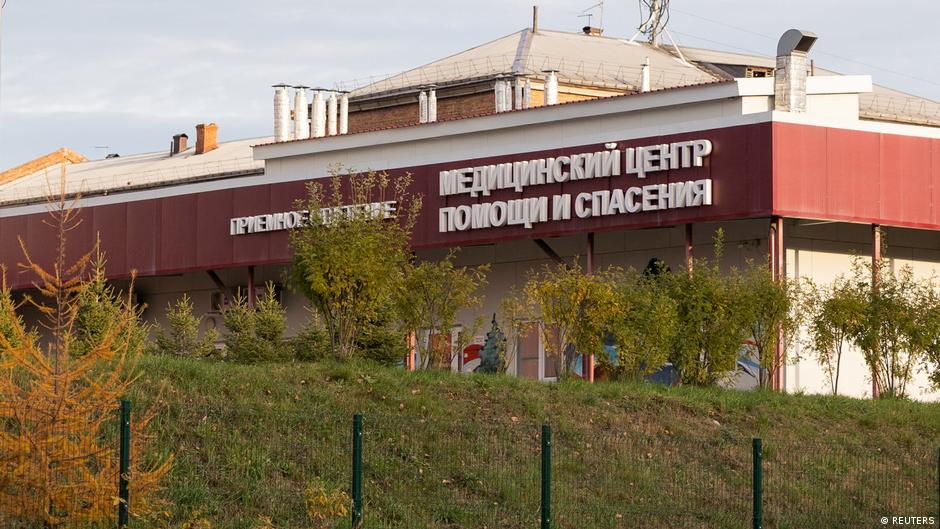
The issue centers on the death of 28-year-old Darya Shipilova, a laboratory assistant at the Irkutsk Anti-Plague Institute, who died on the night of October 2 at the Shelekhov district hospital in Russia’s Irkutsk region. Russian officials have described her illness as pneumonia of undetermined cause, while a regional leader initially wrote that plague was the cause before later editing his statement to say “possibly.”
Trump told reporters on Tuesday, October 6, that a call with Putin had been “scheduled” after he was asked whether he had discussed the Irkutsk incident with the Russian president. The White House statement places the episode on Washington’s diplomatic agenda at a time when even isolated public health alerts can affect travel planning, supply chains, commodity production and corporate risk assessments.
The World Health Organization said it is in contact with Russian health authorities and has offered technical support. WHO Director-General Tedros Adhanom Ghebreyesus wrote on X overnight on October 7 that Russian health authorities told the organization that no plague cases had recently been registered in the Irkutsk region.
Russian authorities told the WHO that an epidemiological investigation had been conducted, preventive and control measures had been taken, and identified contacts had been placed under medical observation and tested.
According to Ghebreyesus, Russian officials also said no high-threat pathogens were found among the contacts and that medical observation for all identified contacts had been completed. At the same time, he said the WHO had requested additional information to clarify the cause of the severe pneumonia, the pathogen that prompted public health measures, and media reports about a second employee with pneumonia of unknown origin.
Washington Watches a Health Alert With Business Implications
For the United States, the immediate significance is political and operational rather than domestic. Trump said on October 5 that the United States was “watching very closely” what was happening in Russia after reporters asked whether the White House would respond to the reports. He said U.S. officials had just heard about the matter and that Russian authorities were calling it pneumonia.
Trump also said pneumonia used to be easier to treat, but that germs and bacteria had become disproportionately stronger. He added that the United States would help Russia. The remarks suggested that the White House was positioning itself to respond diplomatically if Russian authorities seek or accept technical assistance, while also signaling to U.S. agencies and businesses that the matter is under review.
For American companies, the key concern is not a confirmed outbreak, because Russian and WHO statements cited in the source article do not establish that plague has been confirmed. The business issue is uncertainty: whether local health measures in Irkutsk remain limited, whether Russian authorities provide more detail on the pathogen, and whether the episode affects industrial sites, hospitals or regional transport patterns.
Irkutsk is not only a health story. The region includes industrial facilities and transport links tied to Russia’s broader economy. The source article reported that a mask regime was being introduced at the Irkutsk Aluminum Plant, known as IrkAZ, in Shelekhov. The plant director, Artyom Fominykh, reportedly announced the measure a day earlier. For U.S. firms with exposure to metals markets, logistics, insurance or compliance screening, even precautionary restrictions can become a point to monitor.
Russian Officials Emphasize Pneumonia, Not Confirmed Plague
Russian consumer health watchdog Rospotrebnadzor said the deceased woman had been diagnosed with lung inflammation, the cause of which had not been established. Irkutsk region Governor Igor Kobzev referred to a suspicion of an “especially dangerous infection” but did not name the suspected diagnosis.
The uncertainty was amplified by comments from Alexey Tsydenov, the head of neighboring Buryatia. He wrote on the Russian platform Max that plague had caused Shipilova’s death, then later edited the message to add the word “possibly.” That distinction matters for policymakers and markets: a confirmed plague case would carry different implications from an undiagnosed pneumonia case that triggered preventive measures because of caution or occupational exposure concerns.
The local outlet Lyudi Baikala reported on October 4 that Irkutsk city clinical hospitals No. 1, 3 and 10 had been closed for quarantine, along with a maternity hospital and the Ivano-Matreninskaya children’s clinical hospital. The article also cited the mask regime at IrkAZ in Shelekhov. Those reports, if sustained by official measures, point to a regional response that companies and foreign governments are likely to examine closely.
From a U.S. business perspective, the bottom line is that there is no reported confirmation in the source material of a plague case in Irkutsk, and Russian authorities told the WHO that no recent plague cases had been registered in the region. But the WHO’s request for more information, Trump’s planned call with Putin, and local quarantine and mask measures make the episode a live monitoring issue for Washington, public health agencies and companies with exposure to Russian industrial or logistics risk.
The next test will be transparency. The WHO is seeking details on the cause of the severe pneumonia, the pathogen that prompted public health measures, and reports of another employee with pneumonia of unknown origin. Until those answers are public, the story is likely to remain less about confirmed epidemiology and more about diplomatic signaling, risk management and the credibility of official information coming out of Russia.



