Trump Says US Is Monitoring Russian Infection Reports, Offers Help if Needed
The White House said it is watching reports from Siberia as neighboring countries tighten health checks and businesses weigh cross-border risks.
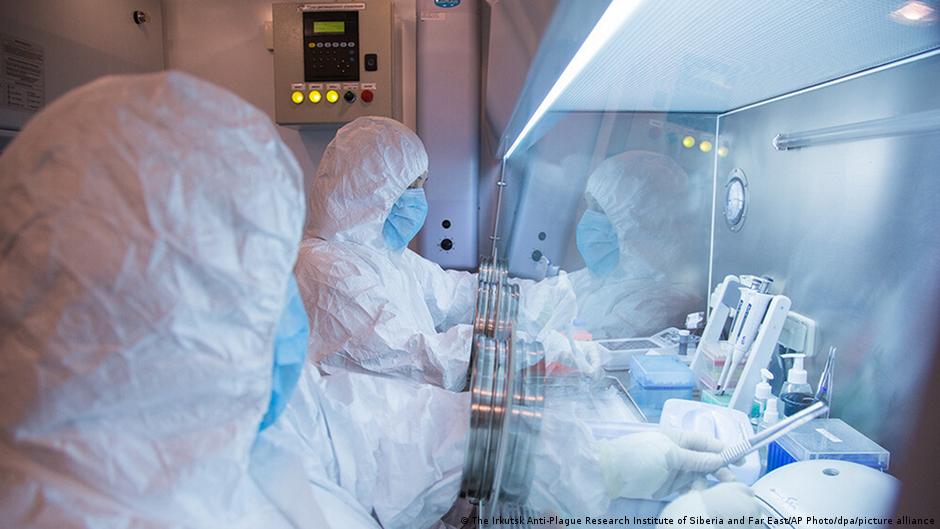
President Donald Trump said the United States is closely monitoring reports from Russia of a possible outbreak of a severe pulmonary infection in the Irkutsk region, while indicating that Washington has not been in direct contact with Moscow over the matter.
Speaking to reporters on Monday, October 5, Trump expressed regret that Russia may be facing such a disease and said the United States would be prepared to help if assistance were needed. The comments put a public-health concern in Siberia onto Washington’s radar, with potential implications for diplomacy, border management and companies that operate across Eurasian supply chains.
“We are watching what is happening very closely,” Trump said, adding that Russian authorities were describing the illness as pneumonia and that the United States would help Russia if necessary.
Trump said the White House had only just heard about the situation. He noted that pneumonia had historically been easier to treat, but said microbes and bacteria had become disproportionately stronger. Asked whether the White House would respond to the reports from Russia, he said the United States would help. In response to a separate question, Trump said he had not spoken with Russian representatives about the matter and repeated that Washington was ready to assist “anyone who faced a problem like this.”
Washington Watches a Siberian Health Scare
The reports center on the sudden death of Daria Shipilova, a 28-year-old resident of the Irkutsk region who worked at the Irkutsk Anti-Plague Institute. She was hospitalized in late September and died on October 2. Russia’s consumer health watchdog, Rospotrebnadzor, identified the cause of death as “pneumonia of unknown etiology.”
Local media reported that about 200 people in the Irkutsk region were subsequently placed under quarantine. There have been no reports of confirmed secondary pneumonia cases in the region. The administration of Shelekhov, the city where Shipilova died in one of the hospitals, published a social media appeal on October 3 urging people to refrain from traveling to the city, but the post was soon deleted.
The absence of fuller official communication has fueled public concern and rumors, including a version circulated publicly that a test tube containing the plague pathogen may have been broken at the institute’s laboratory. On October 5, reporters asked Dmitry Peskov, press secretary to Vladimir Putin, whether Moscow was monitoring events in the Irkutsk region. Peskov said Rospotrebnadzor was the competent authority and urged people to rely on its statements, without discussing the incident further.
For the White House, the issue sits at the intersection of health security and geopolitics. Washington has strained relations with Moscow, but Trump’s remarks framed possible assistance as a humanitarian and public-health matter rather than a political concession. That distinction matters for US agencies and companies, because a real infectious-disease event in a major Eurasian transit region could trigger restrictions, inspections and caution among carriers, insurers and commodity traders even before any broader diplomatic response.
Border Measures Could Affect Regional Trade
At least three countries neighboring Russia’s Siberian regions have reported strengthened precautionary measures at their borders. Kazakhstan and Kyrgyzstan tightened sanitary and quarantine controls, while Uzbekistan said it had placed services responsible for preventing the import of infections on heightened alert.
Azerbaijan’s Health Ministry said it was aware of the reports from Russia but saw no need to strengthen customs controls. Mongolia is geographically closest to the Irkutsk region, and the country had already cooperated with Russia on preventing the spread of similar diseases because plague pathogens had previously been detected in the region.
For American businesses, the immediate exposure may be limited, but the broader signal is worth watching. Companies with logistics routes through Central Asia, energy or mining interests tied to Siberia, or suppliers that move goods through Russian and neighboring border systems could face slower processing if health checks expand. Even temporary quarantine controls can add friction to freight movement, personnel travel and insurance assessments.
The bottom-line risk for US firms is not a confirmed outbreak, since no confirmed secondary pneumonia cases in the region have been reported, but uncertainty. When local authorities delete travel warnings, central officials defer to health agencies, and neighboring countries move to raise border vigilance, companies tend to treat the region as operationally less predictable. That can affect shipment timing, contract performance and decisions about sending staff into or near affected areas.
Trump’s offer of help also creates a possible diplomatic opening, though there is no indication that Russia has requested US assistance. If Moscow were to engage Washington, the response could involve technical public-health support, information sharing or coordination around containment practices. If Moscow does not, US officials may remain in a monitoring posture while neighboring states manage their own border precautions.
For now, the core facts remain narrow: a Russian anti-plague institute employee died after being hospitalized with pneumonia of unknown origin, local media reported quarantine measures involving about 200 people, and regional neighbors are increasing health precautions. The White House says it is watching closely, but Trump confirmed that he has not spoken with Russian officials about the matter.



