Trump Seeks Fall Meeting with Kim Jong Un at APEC Summit to Restart Nuclear Talks
Former President Trump aims to revive negotiations on North Korea's nuclear program during the November APEC summit in China.
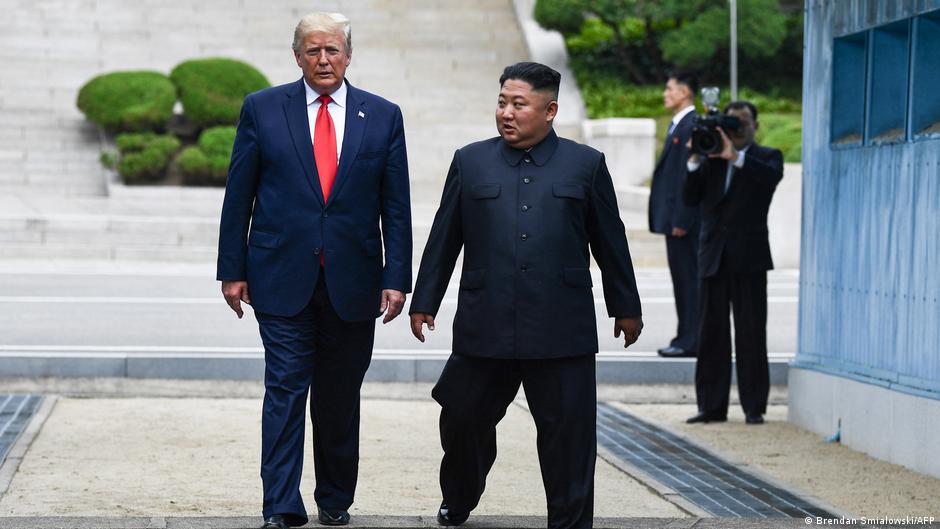
Former U.S. President Donald Trump is reportedly planning to meet North Korean leader Kim Jong Un this fall during the Asia-Pacific Economic Cooperation (APEC) summit in Shenzhen, China. The meeting would mark a renewed effort to engage in negotiations over North Korea's nuclear weapons program, which has expanded significantly since previous talks stalled.
Implications for U.S. Businesses and Washington Policy
The prospect of a Trump-Kim meeting comes amid ongoing concerns about North Korea's growing nuclear arsenal. According to experts at Stanford University's Center for International Security and Cooperation, North Korea now possesses several hundred nuclear warheads, fueled by substantial production of plutonium and highly enriched uranium. This expansion poses risks not only to regional stability but also to the broader geopolitical environment affecting global markets and American companies operating in Asia.
“Based on the hundreds of demonstrated launchers and increasing production of fissile material, North Korea's arsenal likely numbers in the several hundreds,” said nuclear expert Jeffrey Lewis.
Trump's strategy includes scaling back U.S. military exercises with South Korea and proposing a peace agreement with North Korea, signaling a shift toward diplomatic engagement. For Washington, successfully negotiating with Pyongyang could reduce military tensions and create a more stable environment for U.S. investments and supply chains in the Indo-Pacific region.
Previous Trump-Kim summits, held three times during Trump’s presidency, ended without substantive dismantlement of North Korea's nuclear infrastructure. However, the reemergence of dialogue could influence U.S. foreign policy approaches and impact the regulatory climate for American firms tied to Asian markets.
Although the official preparations for the proposed November meeting have not yet begun, sources indicate that both sides have shown willingness to engage. In 2025, Trump expressed similar intentions during an Asia tour, but logistical hurdles prevented the summit from taking place. This forthcoming meeting could overshadow other high-level engagements, including planned talks with Chinese President Xi Jinping in South Korea.
For U.S. businesses, renewed diplomacy with North Korea may ease some geopolitical uncertainties, potentially stabilizing supply chains and improving investor confidence. Conversely, any failure in talks could exacerbate sanctions regimes and restrict market access, underlining the high stakes of these international negotiations.