Trump Signs Graham Sanctions Law Targeting Russian Energy Buyers
The measure gives the White House broad power to impose tariffs and sanctions tied to Russian oil, gas and sanctions evasion.
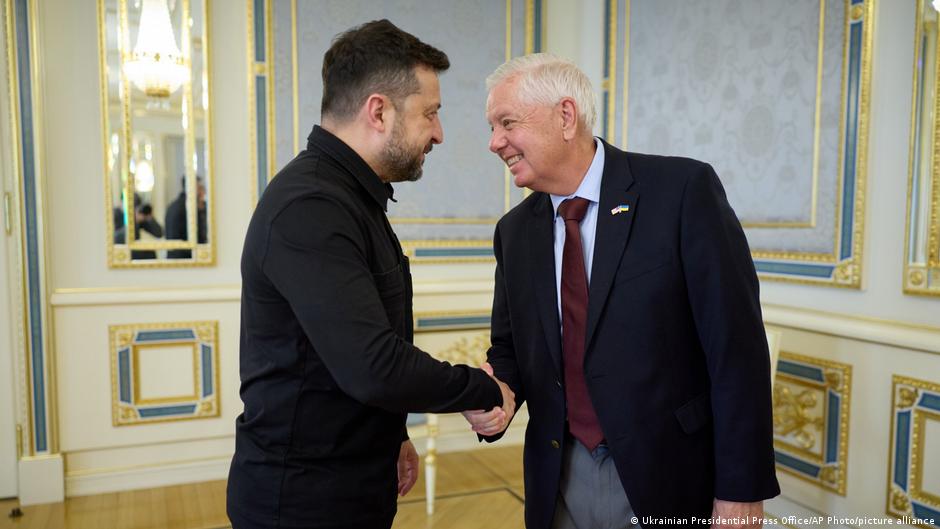
President Donald Trump on Friday, September 18, signed legislation tightening U.S. sanctions on Russia over its continuing war against Ukraine, turning a long-debated congressional proposal into a new instrument of White House economic pressure with potentially significant consequences for global trade and American companies.
The law, widely known as the Graham sanctions bill after the late Republican senator Lindsey Graham, authorizes the U.S. president to impose 100 percent tariffs on the five largest buyers of Russian oil and gas, as well as on five countries deemed to be helping Moscow circumvent energy sanctions. The measure also includes exemptions for countries that receive less than 15 percent of their natural gas consumption from Russia and are taking steps to reduce those imports.
For Washington, the law is both a sanctions package and a trade policy weapon. Its final form gives Trump direct discretion over whether to impose or lift the measures, a broader grant of authority than the standard practice of requiring coordination with Congress on such actions. That shift is likely to draw close scrutiny from U.S. businesses exposed to global supply chains, energy markets and tariff risk.
Broad Authority for the White House
The legislation covers more than energy importers. It also provides for sanctions against Russian officials, banks, business figures and the so-called shadow fleet used to move Russian energy despite restrictions. In addition, the bill extends U.S. sanctions on Iran through 2031, widening the measure’s relevance for companies that already face complex compliance obligations across multiple jurisdictions.
The business implications could be far-reaching. A 100 percent tariff on goods linked to major buyers of Russian energy would raise costs for importers and could force American firms to reassess sourcing from countries exposed to Russian oil and gas flows. The provision also gives the Trump administration a potential tool for escalating pressure on China, which the source article notes could fit into the president’s broader trade war strategy.
The measure was introduced in April 2025 as H.R. 5334 by Graham and Democratic Senator Richard Blumenthal. Because Trump preferred to communicate with Graham, a fellow Republican, the senator’s name became closely associated with the sanctions package, and the proposal became known publicly and in the media as the Graham bill or Graham sanctions.
The original proposal contemplated tariffs of up to 500 percent on Russian products while Moscow continued its war against Ukraine and refused peace talks. Under that version, the U.S. president would periodically determine whether Russia was ready for dialogue and, if it was not, impose sanctions. The 500 percent figure led supporters and observers to describe the package as “hellish” sanctions. The tariff ceiling for importers of Russian oil was later reduced to 100 percent.
Ukraine Welcomes the Signal
Ukrainian President Volodymyr Zelensky thanked Trump for signing the legislation, calling it an important step in increasing pressure on Moscow to end the war.
“Thank you to President Trump for signing this extremely important law. Thank you to all senators and members of the House of Representatives who supported it,” Zelensky wrote on Telegram.
Zelensky also invoked Graham’s view of American power, writing that the senator never doubted the United States had sufficient strength to confront dictators and achieve results if it acted correctly. Graham did not live to see the bill become law; he died on July 11, 2026, after roughly a year and a half of lobbying around the measure.
Supporters of the legislation argue that the law sends a strong signal of U.S. support for Ukraine at a time when fighting has intensified. In that framing, the measure is intended not only to punish Russia directly, but also to increase the cost for governments and commercial networks that continue to sustain Moscow’s energy revenues.
For U.S. companies, however, the immediate question is how broadly the administration will use its new authority. The law’s structure puts much of the decision-making in the president’s hands, meaning the practical impact will depend on which countries and entities the White House targets, how quickly tariffs are imposed, and whether exemptions are granted to countries reducing reliance on Russian gas.
Domestic Political Risks
The measure also lands in a politically sensitive environment in Washington, where tariffs have become a central dividing line between national security policy and household economic pressure. Trump alternated between supporting and opposing the Graham-Blumenthal initiative during its long path through Congress, according to the source article. By the time he signed it, the bill had been changed to expand presidential discretion substantially.
House Democratic Minority Leader Hakeem Jeffries criticized the scope of the authority granted to the president, warning that new tariffs could worsen costs for Americans.
“Life in the United States is too expensive. Why should Congress or the House give the president unlimited authority to impose new tariffs around the world that will have negative economic consequences for the American people? I cannot do that,” Jeffries said.
That concern reflects the core tension now facing Washington. The law is designed to squeeze Russia’s war economy and those that help it evade energy restrictions, but tariffs can also feed through to U.S. prices, corporate margins and investment decisions. Companies that import from major economies still buying Russian energy may need to prepare for compliance reviews, contract adjustments and possible cost increases.
The bottom-line impact for American business will depend on enforcement. If the administration uses the law selectively, it may function chiefly as leverage in diplomatic and trade negotiations. If applied aggressively, it could reshape trade flows, intensify tensions with China and other energy-importing countries, and add a new layer of uncertainty for firms already navigating sanctions on Russia and Iran.
For now, the signing gives Trump a powerful new sanctions tool, consolidates congressional pressure behind Ukraine, and places U.S. trade policy once again at the center of Washington’s response to Russia’s war.



