Trump Threatens Oman with Bombing Over Strait of Hormuz Negotiations Amid Iran Conflict
President Trump warns Oman against interfering in US-Iran talks on Strait of Hormuz control, signaling escalating tensions with implications for US businesses.
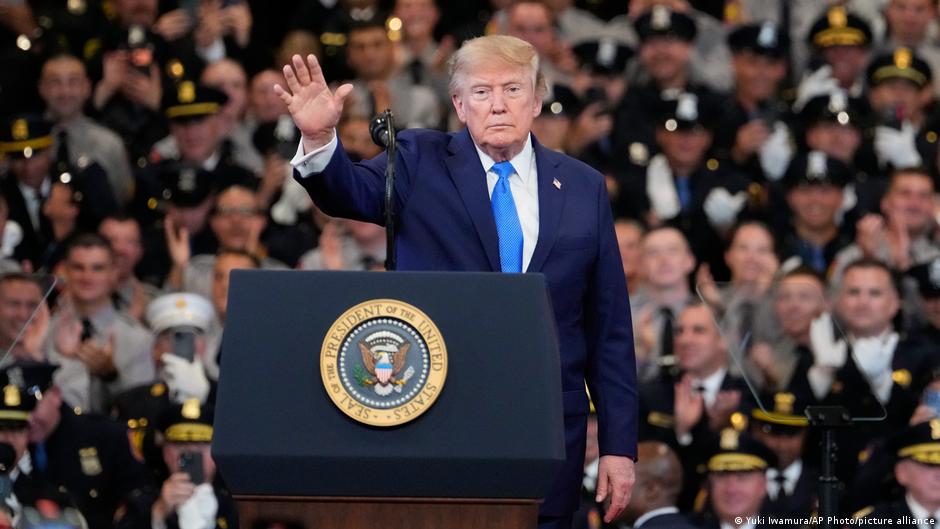
In a sharply worded statement, former President Donald Trump threatened military action against Oman if it obstructs negotiations between Washington and Tehran over control of the Strait of Hormuz, a crucial chokepoint in global oil shipping.
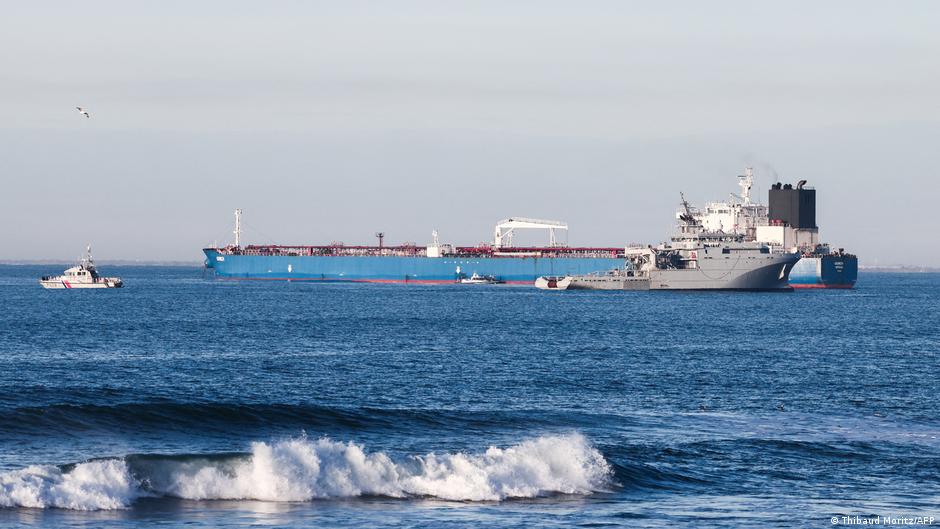
Speaking with Fox News on August 17, Trump said the United States would "bomb the foolishness out of Oman" if the Sultanate interferes with ongoing talks aimed at managing navigation through the strait. Oman has been engaged in discussions with Iran about jointly overseeing transit through the Strait of Hormuz, through which approximately one-fifth of the world's oil supply was transported before escalating conflict.
Stalled US-Iran Negotiations and Rising Tensions
The threat comes as a 60-day negotiation period between the US and Iran, outlined in a Memorandum of Understanding signed by Trump in June during the G7 summit, expired without an agreement. The talks were intended to address key issues such as US sanctions on Iran, Tehran's nuclear program, and broader security concerns in the region.
"Iran should raise the white flag and surrender," Trump stated, indicating no plans to extend the negotiation deadline.
Despite diplomatic efforts, hostilities have intensified. In July, Iran launched attacks on several vessels in the Strait of Hormuz, prompting US airstrikes on Iranian targets aimed at reducing Tehran's capacity to threaten commercial shipping. Iran retaliated with strikes on neighboring countries' territories, targeting US military bases in the Persian Gulf region.
For American businesses, this volatility threatens oil supply stability and shipping security, potentially increasing energy prices and disrupting supply chains. The Strait of Hormuz is a strategic maritime route for global energy markets, and any instability there has direct bottom-line implications for US companies reliant on oil and international trade.
Regional Diplomacy and the Role of Turkey
On August 17, Turkish President Recep Tayyip Erdoğan spoke with Trump, urging continuation of diplomatic negotiations to de-escalate tensions in the Gulf. Erdoğan also offered Ankara's mediation services to facilitate dialogue between the US and Iran.
The conversation covered wider regional issues, including the Gaza conflict, a new defense pact between Turkey, Saudi Arabia, and Pakistan, and the state of US-Turkey relations. This highlights Ankara's strategic positioning as a regional power broker amid growing tensions.
For Washington, balancing military pressure with diplomatic engagement remains critical. The risk of broader conflict in the Persian Gulf could severely disrupt energy markets, affecting not just oil prices but also the operational costs and planning of American businesses globally.
As the US administration navigates these challenges, the threat directed at Oman underscores a hardline stance that may complicate regional alliances and affect the stability of key maritime routes integral to US economic interests.