UK Plans to Boost Defense Spending by £18 Billion Amid Political Turmoil
British Prime Minister Keir Starmer to increase defense budget by £18 billion, impacting US-UK security cooperation and transatlantic defense industries.
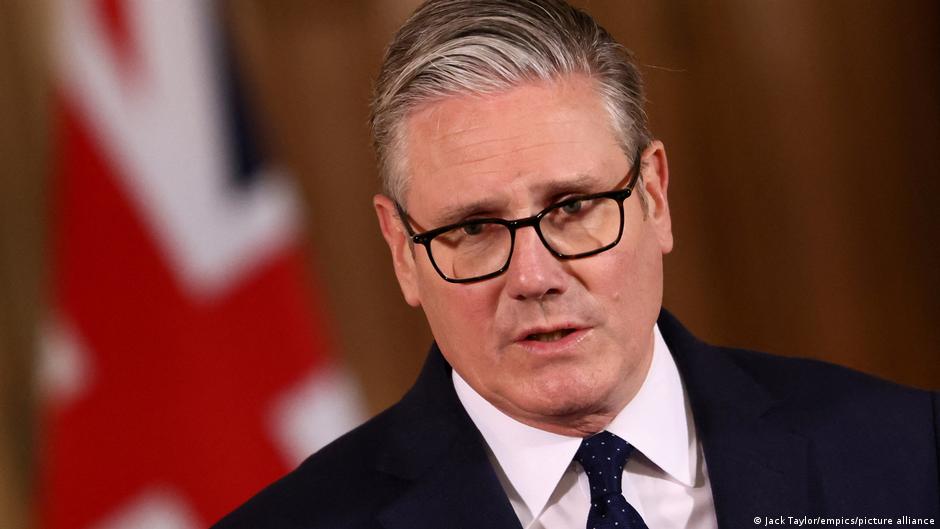
The United Kingdom is preparing to significantly increase its defense budget by £18 billion (approximately €20.6 billion), according to reports from The Times. This move, poised to be announced by Prime Minister Keir Starmer in the coming week, is seen as a strategic response to both domestic political pressures and evolving global security challenges.
Implications for US-UK Defense Relations and American Businesses
For Washington and American defense companies, the UK's planned budget increase signals potential opportunities and shifts in transatlantic defense collaboration. The additional funds underscore the UK’s commitment to enhancing military capabilities amidst heightened geopolitical tensions, particularly considering ongoing conflicts in Ukraine and concerns over Iran.
"The new defense package is expected to be manageable within the UK's budget but sends a clear message about prioritizing national and allied security," a UK government source told The Times.
The UK's defense expenditure for the 2025-2026 fiscal year is projected to reach £62.2 billion. The budget increase represents a roughly 40% rise compared to current spending levels, underscoring the importance placed on defense within the Starmer administration’s policy agenda.
From a US perspective, the increase could bolster joint military initiatives, intelligence sharing, and procurement opportunities for American defense contractors. The UK has historically been a close ally in NATO and other security frameworks, and this spending surge may accelerate modernization of defense systems, benefiting American firms specializing in advanced technology, cybersecurity, and aerospace.
However, the details regarding the source of this additional funding remain unclear, raising questions about fiscal sustainability and potential economic trade-offs. The UK government has described the package as "quite manageable" within the existing budget framework, but analysts will be watching closely how this impacts broader fiscal policy and economic conditions.
Domestically, the announcement comes amid a political crisis within the Labour Party, with numerous party members demanding Prime Minister Starmer’s resignation. The increased defense investment is viewed as a bid to reassert leadership and focus on security priorities.
For American businesses and policymakers, the UK's defense budget expansion represents both a challenge and an opportunity. It signals a renewed commitment from a key ally to maintain robust defense capabilities in an increasingly complex global environment. U.S. companies involved in defense supply chains and joint ventures stand to benefit from expanded contracts and collaborative programs.
As Washington monitors developments, the UK's stance could influence NATO defense spending patterns and strategic decision-making on both sides of the Atlantic.