Ukraine and Serbia Presidents Meet in Belgrade Amid Complex Geopolitical Ties
Zelensky’s visit to Serbia signals potential shifts in regional cooperation with implications for US business and political interests.
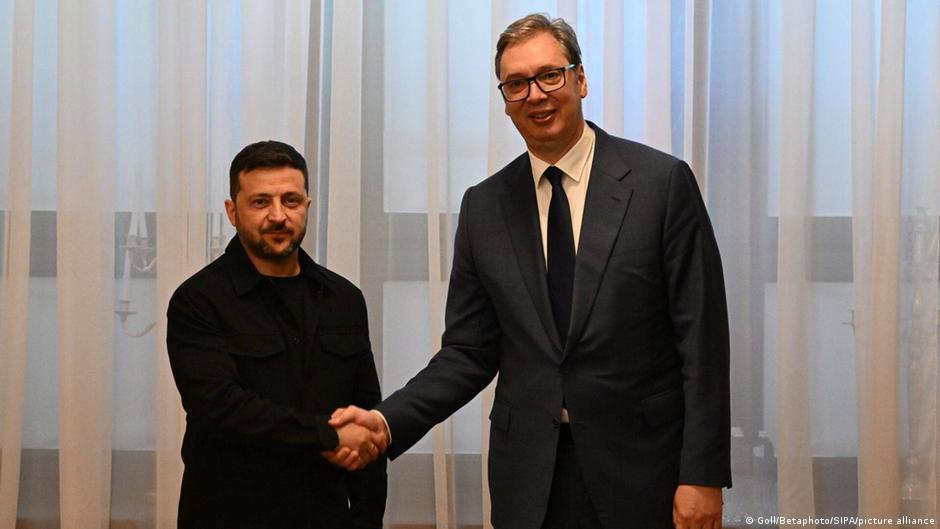
Ukrainian President Volodymyr Zelensky made his first visit to Serbia since the onset of the war in Ukraine, holding a dinner meeting with Serbian President Aleksandar Vučić in Belgrade on August 7. This informal gathering precedes official talks scheduled for the following day.
Zelensky posted a joint photo from the evening meeting on Telegram, captioning it simply as the start of a bilateral conversation without providing further details. Vučić described the visit on Instagram as a step toward advancing relations and cooperation between Serbia and Ukraine across sectors of mutual interest.
Economic and Security Discussions Take Center Stage
According to prior statements by both leaders, the upcoming official talks on August 8 will focus on expanding economic ties, relations with the European Union, and security issues. Energy cooperation is expected to be a significant topic of discussion, reflecting Serbia’s longstanding close connections with Russia in this sector.
After the scheduled talks in the presidential palace, the two presidents plan to hold a joint press conference. Zelensky is also set to meet with Serbia’s Prime Minister Đuro Maćut during the visit, underscoring the breadth of engagement beyond the presidential level.
"This visit will contribute to further developing relations and strengthening cooperation in areas of mutual interest," said Serbian President Aleksandar Vučić.
Strategic Implications for US Interests and American Companies
Serbia remains one of Europe’s most Moscow-friendly countries, having declined to impose sanctions on Russia following its 2022 invasion of Ukraine. This position has drawn repeated criticism from Brussels, which views Serbia’s close ties with Russia—including in energy—as obstacles to its European Union accession prospects.
President Vučić has maintained a personal rapport with Russian President Vladimir Putin, meeting multiple times since the full-scale invasion began. Notably, Vučić attended Moscow’s 2025 Victory Day parade, signaling his strong ties to Russia despite EU and Western pressures.
For US policymakers and businesses, the evolving Ukraine-Serbia dialogue presents both challenges and opportunities. Serbia’s strategic position as a regional energy hub and a potential gateway to the Balkans means shifts in its alignment could affect American companies operating in energy markets and infrastructure projects.
Moreover, closer Ukrainian-Serbian cooperation could recalibrate geopolitical dynamics in Southeastern Europe, impacting US diplomatic efforts to isolate Russia economically and politically.
Zelensky and Vučić have met three times since the war began, indicating ongoing engagement despite Serbia’s delicate balancing act. An anonymous Ukrainian official characterized Zelensky’s visit to Belgrade as a "slap in the face to the Russians," suggesting Ukraine’s intent to counter Moscow’s influence in the region.
As the situation develops, Washington will likely monitor these interactions closely, assessing how Serbia’s evolving stance might influence US strategic interests and the operating environment for American business ventures in the Balkans.