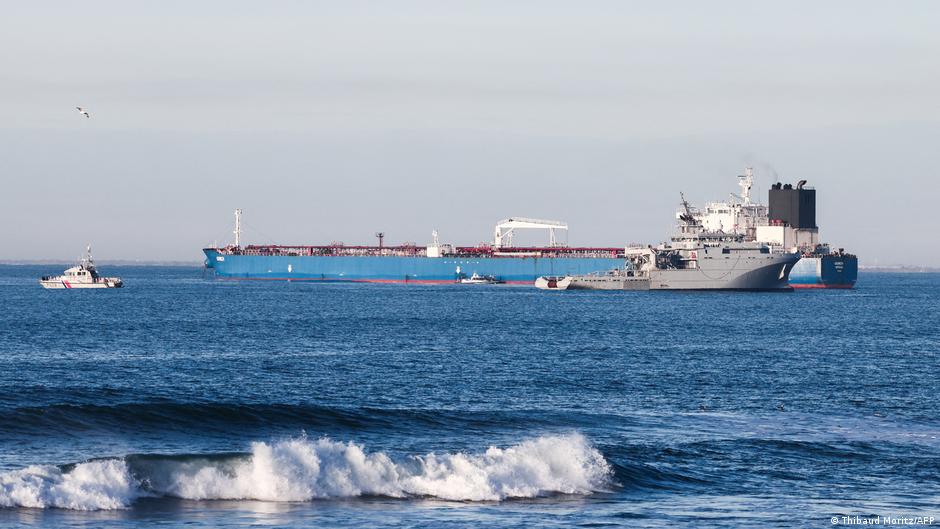
Ukraine Claims Strike on Russian Navy Ships in Novorossiysk Amid Rising Black Sea Tensions
Ukrainian forces report damage to four Russian naval vessels and key infrastructure in Novorossiysk, signaling escalating military conflict with implications for US businesses reliant on regional stability.
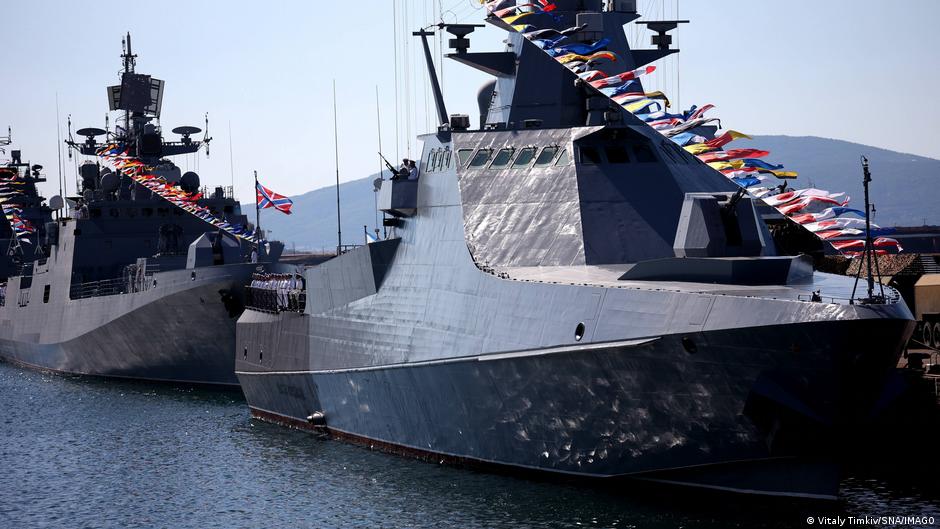
On August 12, the General Staff of the Ukrainian Armed Forces and the Security Service of Ukraine (SBU) announced a successful strike against Russian naval assets in the strategic port city of Novorossiysk. According to Ukraine’s military, four Russian Navy ships were damaged to varying degrees, including two frigates armed with "Kalibr" cruise missiles—Admiral Essen and Admiral Makarov.
In addition to the frigates, the small missile ship Buyan-M and the patrol ship Vasily Bykov were also reportedly hit. The SBU detailed that the two frigates play a critical role in Russia’s missile strikes against Ukrainian territory, emphasizing the strategic value of this operation.
Impact on Naval Capabilities and Regional Infrastructure
Beyond the naval vessels, Ukrainian forces targeted additional military and civilian infrastructure in Novorossiysk. The SBU reported hits on a radar station that is part of the S-300 surface-to-air missile system, the Grushovaya oil depot, a mobile strike group, and the facilities of three port berths.
"Ukrainian drones, including the Palyanitsa rocket drones, Neptune missiles, and sea-based strike systems, precisely engaged the designated targets," the SBU stated.
Reports from Russian sources, including the newspaper Vedomosti and Reuters, indicated that the attack caused the Novorossiysk grain terminal and the Novorossiysk Bread Products Combine (NKHP) to cease operations temporarily due to damage. The grain terminal, integral to Russia’s agricultural exports, is a crucial node in the Black Sea supply chain.
Regional authorities confirmed casualties and property damage. Veniamin Kondratyev, Governor of Krasnodar Krai, reported three fatalities and 24 injuries linked to the nighttime strike. Approximately 60 residential buildings in Novorossiysk sustained damage. Additionally, drone debris reportedly damaged homes in the nearby cities of Gelendzhik, Anapa, and the Temryuk district, with local officials noting that "hundreds" of drones were launched across the region.
The Grushovaya oil depot, previously targeted in an attack on June 8, remains a critical energy infrastructure asset interconnected with the Sheskharis maritime terminal, which serves as the endpoint for Transneft’s major oil pipelines in Krasnodar Krai. Disruption to this complex not only affects regional energy logistics but also bears wider implications for global oil markets.
Washington’s Strategic and Economic Considerations
For US policymakers and American companies, the escalation of hostilities in the Black Sea region poses challenges on several fronts. The damage to Russian military assets capable of launching missile strikes alters the tactical balance, potentially incentivizing Moscow to escalate retaliatory measures. This environment raises risks for US commercial interests, particularly in sectors that rely on Black Sea maritime routes for energy and agricultural exports.
American agribusiness and energy firms closely monitor Black Sea stability, as disruptions to grain and oil shipments can influence global commodity prices and supply chain security. The impairments to Novorossiysk’s export infrastructure may exacerbate volatility in agricultural markets, affecting food prices worldwide and impacting US consumers and producers alike.
Moreover, the use of advanced unmanned systems — such as Ukrainian drones and sea-based missile platforms — highlights the evolving nature of conflict in the region, signaling a technological arms race that American defense contractors and policymakers must consider when shaping future security assistance and export controls.
As tensions persist, Washington faces the delicate task of supporting Ukraine’s defense capabilities without provoking a broader conflict that could destabilize global trade networks essential to US economic interests.