Ukraine Denies Trump Urged Zelensky to Meet Putin in Moscow Talks
Kyiv’s denial of the reported proposal highlights the political sensitivity around Trump’s Ukraine diplomacy and pressure on energy markets.
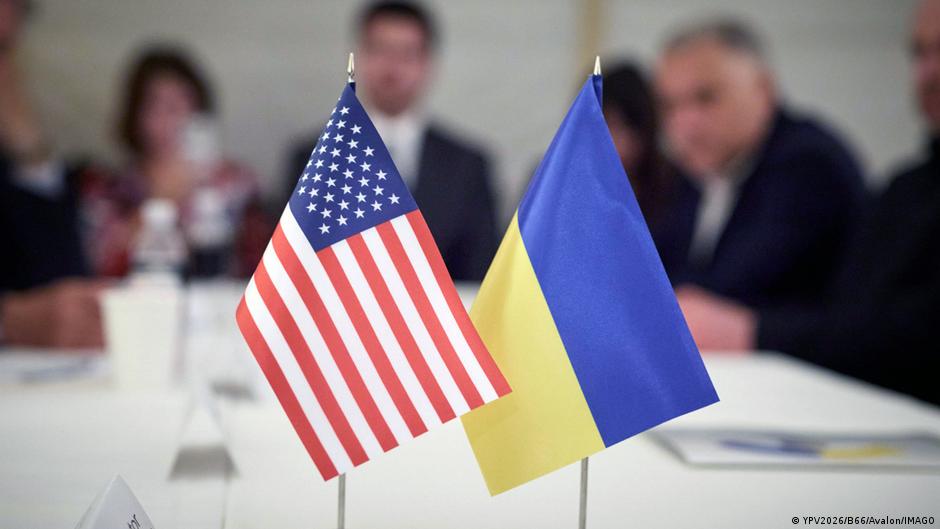
Ukraine’s presidential office has denied a report that U.S. President Donald Trump proposed that Ukrainian President Volodymyr Zelensky travel to Moscow for talks with Russian President Vladimir Putin, an account that would have carried significant implications for Washington’s handling of the war and for global energy markets affecting U.S. businesses.
The denial followed a Bloomberg report that Trump made the suggestion during a meeting with Zelensky on the sidelines of the United Nations General Assembly in New York. According to the report, Zelensky rejected the idea. Bloomberg also reported, citing sources close to the Ukrainian leader, that Zelensky was upset by the proposal.
Ukraine’s presidential office rejected that account on Friday, September 25, according to Ukrainska Pravda. Dmytro Lytvyn, an adviser to the Ukrainian president on communications, told the Ukrainian outlet that the Bloomberg information was inaccurate.
“This is false information,” Lytvyn said, commenting on the Bloomberg report.
The episode underscores the difficult balance facing Washington as the Trump administration seeks diplomatic channels with Kyiv and Moscow while managing the economic consequences of the war. For American companies, the immediate business concern is not only the trajectory of U.S. foreign policy but also the impact of continued strikes on energy infrastructure, which have contributed to pressure on diesel prices worldwide.
Washington’s Diplomatic Calculation
The Bloomberg report placed the alleged proposal inside a high-profile week of diplomacy in New York, where Zelensky and Russian Foreign Minister Sergey Lavrov held separate meetings with representatives of the Trump administration. Bloomberg reported that Washington pressed Moscow and Kyiv to agree to stop attacks on energy facilities against the backdrop of rising global diesel fuel prices.
That emphasis gives the diplomacy a clear economic dimension for the United States. Diesel is central to trucking, agriculture, construction, shipping and a range of supply chains. Any prolonged pressure on global diesel prices can raise operating costs for U.S. businesses, particularly those already exposed to transport and logistics expenses. The administration’s reported push for an end to attacks on energy sites therefore intersects directly with bottom-line concerns across the American economy.
At the same time, the question of where any direct negotiations take place remains politically charged. Russia has repeatedly stressed that a meeting between Putin and Zelensky would be possible only in Moscow. On September 23, Kremlin spokesman Dmitry Peskov said the Ukrainian president, “if he wants, can come to Moscow,” where he would be provided with the necessary security guarantees.
For Kyiv, a meeting in Moscow would be more than a logistical issue. It would carry symbolism and domestic political risk, particularly while the war continues. For Washington, even the perception that the United States was urging Zelensky toward such a venue could trigger scrutiny from Congress, allies and businesses watching for signs of how the administration intends to balance pressure on Ukraine, outreach to Russia and economic stabilization.
Alternative Venues and the Miami G20 Dispute
Zelensky said on September 25 that trilateral talks among the United States, Ukraine and Russia in a technical format could take place in the United Arab Emirates. That venue would offer a different diplomatic setting from Moscow and suggests that Kyiv remains open to some form of technical engagement, even as it rejects the reported account of Trump pressing for a Moscow visit.
The Kremlin, meanwhile, rejected a recent Ukrainian proposal to hold talks on ending the war during the G20 summit in Miami, where Washington had invited Putin. That detail places the issue squarely inside U.S. political terrain. A Miami summit involving Putin would inevitably draw close attention in Washington, with lawmakers, business groups and foreign policy observers assessing whether the administration is using U.S.-hosted diplomacy to move toward a ceasefire, broader negotiations or a narrower arrangement around infrastructure and energy attacks.
The competing proposals also illustrate the gap between the parties. Moscow has emphasized its preference for hosting a Putin-Zelensky meeting in the Russian capital. Kyiv has floated a technical trilateral format in the UAE and had proposed talks at the G20 in Miami. Washington, according to Bloomberg, has been focused at least in part on reducing attacks on energy facilities as diesel prices rise globally.
The history of proposed direct contact between the leaders remains contested and sensitive. In June, Putin said Zelensky had asked him for a personal meeting through one of the Russian businessmen. Zelensky later said he had passed a message to the Kremlin leader through Roman Abramovich.
For U.S. business leaders, the immediate takeaway is that Ukraine diplomacy remains volatile, with venue disputes and disputed accounts capable of shaping perceptions of the administration’s approach. Energy markets are a central part of that picture. If Washington can help reduce attacks on energy infrastructure, American companies could see relief from some fuel-related cost pressure. If negotiations stall over venue, security guarantees or political symbolism, uncertainty around fuel costs and geopolitical risk may persist.
The Ukrainian denial does not resolve what was discussed privately in New York, but it does clarify Kyiv’s public position: it rejects the claim that Trump proposed a Zelensky trip to Moscow for talks with Putin. The broader diplomatic track, including the possibility of technical talks in the United Arab Emirates, remains tied to the Trump administration’s effort to manage both the war’s political stakes and its economic spillovers.



