Ukraine Warns of Russia's Planned Mobilization Expansion and North Korean Military Support
President Zelensky claims Russia intends to escalate troop mobilization in 2026 and seek North Korean military reinforcements, signaling prolonged conflict risks.
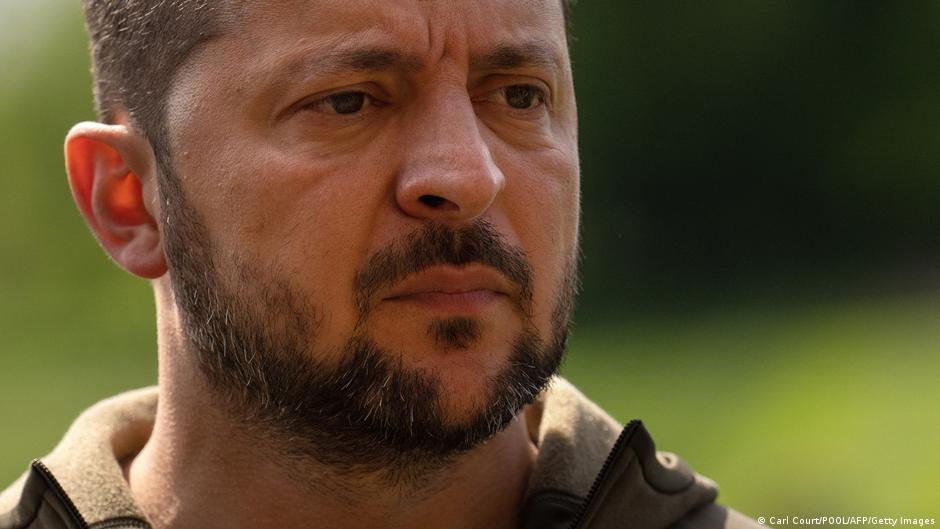
Ukrainian President Volodymyr Zelensky has announced intelligence reports indicating that Russia plans to "expand mobilization" efforts in the autumn of 2026. According to Zelensky, Moscow is also aiming to augment its military personnel by incorporating an additional 30,000 troops from North Korea.
Implications of Expanded Russian Mobilization and North Korean Involvement
Details regarding the scale and scope of the proposed "expanded mobilization" remain undisclosed. However, Zelensky stressed that Russian President Vladimir Putin is preparing to conscript more Russian citizens to reinforce military operations. He emphasized the importance of international pressure to shift Russia’s focus from prolonged aggression towards peace.
"Putin is prepared to conscript new Russians into the war under different pretexts. It is crucial that we and our partners exert sufficient pressure so that thoughts of ending aggression prevail over plans for further mobilization," Zelensky stated.
Further, Zelensky revealed that since June, preparations have been underway in Russia’s Voronezh region to receive 30,000 North Korean soldiers. The Ukrainian leader warned that Pyongyang is also preparing to transfer new ballistic missile launch systems to Moscow. This military collaboration poses a significant threat to Asian security, particularly to countries within the range of North Korean missiles.
"Russia is effectively assisting North Korea in learning modern warfare techniques," Zelensky explained, highlighting the broader geopolitical risk of this alliance beyond the immediate conflict zone.
The prospect of a substantial new wave of Russian mobilization was first mentioned by Zelensky on July 24. He noted that Russian casualties continue to outpace recruitment, yet Putin intends to intensify attacks and broaden the conflict.
Previously, Russia conducted a "partial mobilization" from late September to early October 2022. An extension of this mobilization directive was confirmed in January 2023 by the Kremlin, underlining an ongoing effort to sustain Russian military capabilities. Kremlin spokesperson Dmitry Peskov clarified that the mobilization decree also covers other military-related duties, which continue to be enforced.
Washington and U.S. Business Community Perspectives
For U.S. policymakers and American businesses, these developments signal a protracted conflict with continued instability in Eastern Europe, and potentially increased military cooperation between Russia and North Korea. Such dynamics complicate diplomatic efforts and may lead to extended sanctions and economic disruptions impacting global markets.
American companies with exposure to global supply chains, energy markets, or defense sectors should closely monitor evolving geopolitical conditions. Heightened risks could affect commodity prices, logistics, and investment strategies, reinforcing the need for adaptive planning.
Moreover, the prospect of North Korean troops and advanced missile systems supporting Russian military operations may prompt Washington to reassess its security posture in Asia and Eastern Europe. This could accelerate defense initiatives and deepen collaboration with allies to counterbalance emerging threats.
As the situation unfolds, U.S. governmental and business leaders must weigh the potential economic and strategic costs arising from Russia’s extended military mobilization and its alliance with North Korea, underscoring the interconnected nature of global security and economic stability.