US Conducts Tenth Consecutive Day of Strikes Against Iran Amid Rising Tensions
Continuous US military attacks target Iranian missile, drone, and air defense sites amid escalating Middle East conflict.
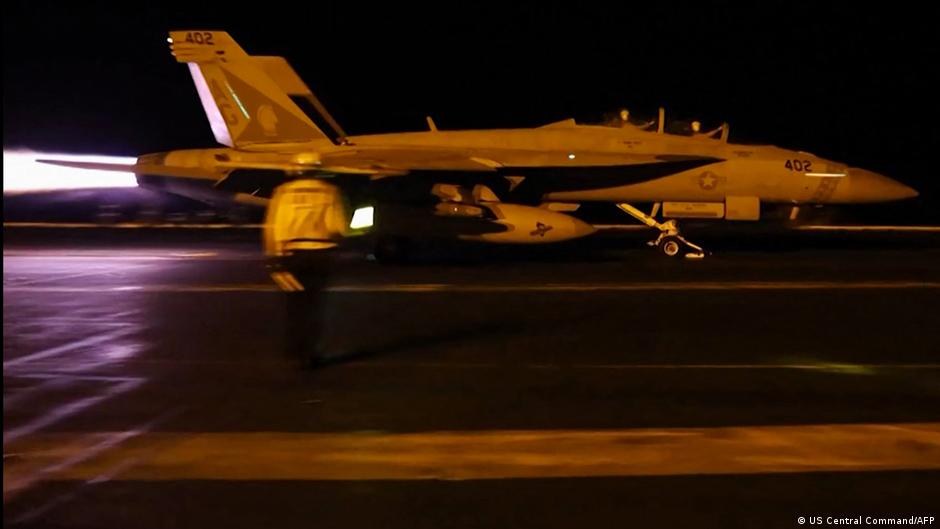
The United States Armed Forces have launched their tenth consecutive day of military strikes against Iran, marking a significant escalation in the ongoing conflict in the Persian Gulf region. The latest wave of attacks, conducted on July 20, focused on Iranian air defense systems, missile launch sites, and drone facilities, according to the US Central Command (CENTCOM).
Impact on US Strategic Interests and Regional Stability
The strikes, which began at 4:00 p.m. Eastern Time (10:00 p.m. Central European Time), aim to further degrade Iran's military capabilities that have been used to threaten civilian maritime traffic in the strategically vital Strait of Hormuz. CENTCOM emphasized that these operations are intended to deter Iran from targeting vessels in this critical shipping lane, through which a significant portion of the world’s oil supply transits.
“These strikes are designed to weaken Iran’s ability to attack civilian shipping in the Strait of Hormuz,” said CENTCOM in a statement.
Iran has responded with counterstrikes targeting countries hosting US military bases, including Kuwait and Jordan, which reported drone and missile attacks. The Islamic Revolutionary Guard Corps (IRGC) also claimed to have seized two oil tankers in the Strait of Hormuz, which they alleged were attempting unauthorized passage. Iranian state media reported explosions on these vessels.
This conflict has resulted in the deaths of 17 US military personnel since hostilities reignited in late February. CENTCOM reported three additional US casualties during the latest escalation, underscoring the human cost of the ongoing confrontation.
Washington’s Political Messaging and Implications for US Businesses
In Washington, former President Donald Trump issued stern warnings of "multiple repercussions" for Iran in the event of further American casualties, underscoring the administration’s hardline posture. Trump’s statements, delivered via his social platform, confirmed that directives for aggressive military responses had been communicated to Defense Secretary Pete Hegseth.
These developments carry significant implications for US businesses, particularly those involved in energy and international trade. The Strait of Hormuz is a critical artery for global oil shipments, and disruptions or heightened military activity raise concerns over supply chain stability and energy prices. American companies reliant on oil imports or with interests in the Middle East may face increased operational risks and cost volatility.
Moreover, the escalating conflict poses challenges for US diplomatic efforts aimed at stabilizing the region. The breakdown of a June ceasefire framework between Washington and Tehran, intended to negotiate a lasting peace within 60 days, signals a diminished likelihood of near-term de-escalation.
From a geopolitical perspective, the sustained US strikes against Iran reaffirm Washington’s commitment to protect its strategic interests and allies in the Middle East but also risk further entangling American forces in a protracted conflict with unpredictable outcomes.
As military actions continue, US companies and policymakers alike will need to monitor developments closely to mitigate risks associated with regional instability and ensure the resilience of critical supply chains.



