US Defense Firms Fear Licensing Patriot Missiles to Ukraine Could Undermine American Production
Raytheon and Lockheed Martin warn that Ukraine’s licensed Patriot missiles may lead to technology transfer and increased foreign production, impacting US defense firms.
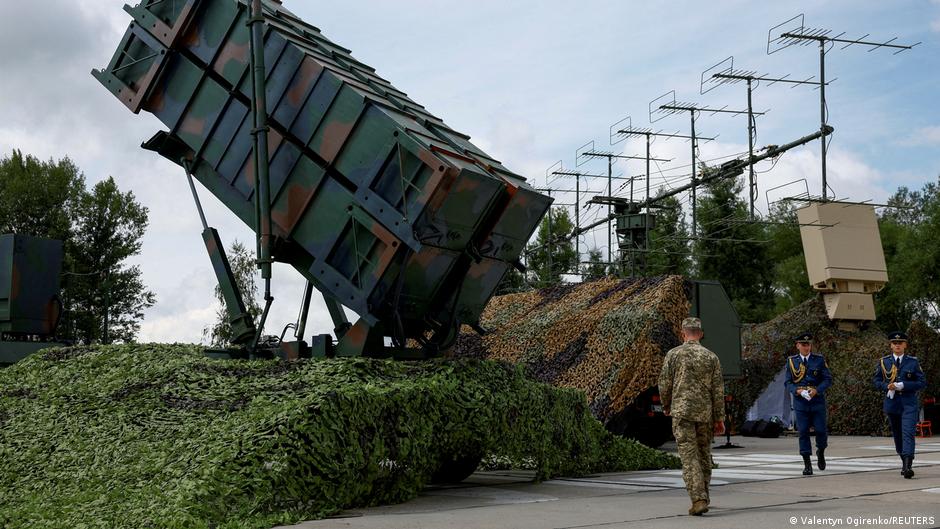
Leading US defense contractors Raytheon and Lockheed Martin have expressed concerns over the potential licensing of Patriot missile technology to Ukraine. The companies fear that such a move could enable Kyiv not only to upgrade the interceptor missiles but also to mass-produce them more rapidly and at lower costs than currently possible within US manufacturing lines.
Implications for US Defense Industry and Strategic Control
According to reports, these worries stem from the possibility that Ukraine could develop improved versions of the Patriot missiles, which are central to US and allied air defense systems. The production scale and speed achievable by Ukraine could challenge the primacy of American manufacturing capabilities and lead to unauthorized technology transfers.
"The official justification from defense firms centers on intellectual property theft and technology transfer concerns," commented a US Republican congressman who supports licensing for Kyiv.
President Volodymyr Zelensky revealed that he had sought Patriot missile licenses from then-President Joe Biden during the first year of the war. While agreements were later reached with former President Donald Trump, bureaucratic delays continue to hamper the immediate provision of these critical defense assets.
Zelensky emphasized the urgency of bypassing paperwork obstacles amid active missile attacks. He also pressed for European nations, who collaborate with Ukraine on licensing issues, to accelerate their approvals.
Reports indicate that Ukraine's proposals were formally considered by senior US defense officials, including Defense Secretary Lloyd Austin and National Security Advisor Jake Sullivan, but were ultimately declined without public explanation. This hesitancy appears linked to concerns that Ukraine could eventually produce surplus Patriots for US use or resale to Washington’s allies, complicating American control over advanced missile technologies.
Former President Trump weighed in, underscoring US ammunition shortages as a factor limiting additional missile transfers. He criticized the Biden administration for depleting US stockpiles through aid to Ukraine, highlighting the challenge of replenishing these vital munitions while maintaining domestic defense readiness.
For American defense companies, the prospect of losing exclusivity on Patriot missile production threatens both revenue streams and strategic leverage. Licensing advanced missile technology to a foreign partner embroiled in an active conflict presents unprecedented risks, not only to intellectual property but also to the broader US defense industrial base.
As US policymakers weigh these competing priorities, the outcome will have significant implications for Washington’s military support to Ukraine and the future positioning of American defense firms in a shifting geopolitical landscape.