US Facilitates Israel-Lebanon Truce Extension with Potential Implications for Regional Stability
President Trump announces a three-week extension of the Israel-Lebanon ceasefire amid ongoing US diplomatic engagement.
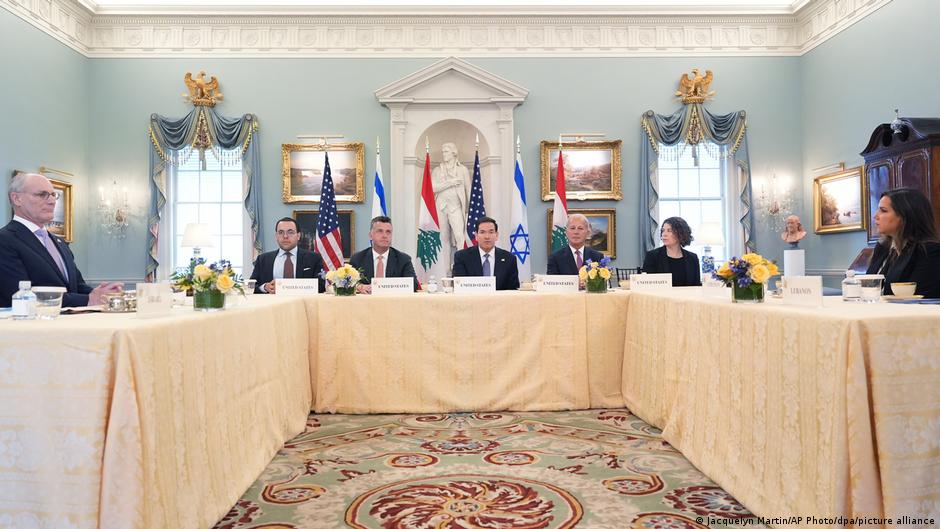
The ceasefire between Israel and Lebanon has been extended for an additional three weeks, announced former US President Donald Trump on April 23 via his social media platform. This development reflects Washington's ongoing efforts to stabilize a historically volatile region and may have significant implications for American businesses operating in the Middle East.
The agreement to prolong the truce follows a high-profile meeting involving key US officials, including Vice President J.D. Vance, Secretary of State Marco Rubio, and US ambassadors to Israel and Lebanon, Mike Huckabee and Michelle Issa, respectively. Representatives from both Israel and Lebanon also participated in the discussions.
"The meeting went very successfully! The United States will cooperate with Lebanon to help protect it from Hezbollah," Trump stated, underscoring Washington’s commitment to countering militant threats in the region.
Washington’s Diplomatic Role and Implications for US Businesses
The US has positioned itself as a mediator facilitating dialogue between Israel and Lebanon, with the intention to foster a durable peace agreement. This initiative stems from a historic first direct negotiation between Israeli and Lebanese envoys that took place in Washington on April 14, marking the first such engagement since 1993. The US State Department described this meeting as a "historic milestone" and reiterated its readiness to support both nations in ongoing peace talks.
For American companies, especially those with investments or operations in the Middle East, the extension of the ceasefire and potential progress toward peace carry significant bottom-line implications. Stability in Lebanon and Israel could open up new opportunities for US businesses in sectors such as energy, infrastructure, and security technology.
Lebanon’s fragile economy and infrastructure have long been challenged by political instability and the influence of militant groups such as Hezbollah, which the US regards as a terrorist organization. US support to Lebanon aimed at countering Hezbollah’s influence could create a more secure environment for trade and investment.
Simultaneously, Israel remains a key strategic partner for the US in the region, with strong bilateral trade relations and collaboration in technology and defense industries. A sustained ceasefire could reduce the risks associated with conflicts and encourage further American investment.
Prior to this ceasefire extension, Israeli Prime Minister Benjamin Netanyahu authorized direct talks with Lebanon focusing on disarmament of Hezbollah and establishing peaceful bilateral ties. These talks signal an opening for broader regional cooperation, potentially benefiting US business interests.
Looking ahead, President Trump expressed eagerness to host Israeli Prime Minister Netanyahu and Lebanese President Joseph Aoun, indicating Washington’s intent to maintain high-level engagement. This involvement aims to ensure that discussions advance toward a comprehensive peace agreement that could reshape the geopolitical landscape.
In summary, Washington’s facilitation of the Israel-Lebanon ceasefire extension highlights the US government’s continued strategic focus on Middle East stability. For US businesses, this diplomatic momentum may translate into improved security conditions and expanded economic opportunities in a historically volatile region.