US Military Deaths in Iran Conflict Rise to 17 Amid Escalating Tensions in Iraq
US confirms 17th soldier killed during controlled detonation of Iranian munitions in Iraq, with further military deployments to the Middle East underway.
The United States military has confirmed the death of a 17th American service member amid ongoing hostilities linked to Iran, highlighting escalating tensions in the region and raising concerns over the implications for US military and business interests.
The latest casualty occurred on July 18 in northern Iraq during a controlled detonation of unexploded Iranian munitions recovered from a downed Iranian drone, according to the US Central Command (CENTCOM). Another service member sustained minor injuries and is receiving medical treatment.
Impact on US Military Operations and Regional Stability
This development follows an Iranian missile strike on a US airbase in Jordan on July 17 that caused two American deaths and left another service member missing. Subsequent intensive search efforts reportedly located unidentified remains, believed to be those of the missing soldier.
"We will never allow Iran to acquire nuclear weapons," US President Donald Trump stated, underscoring the administration’s firm stance despite the tragic losses.
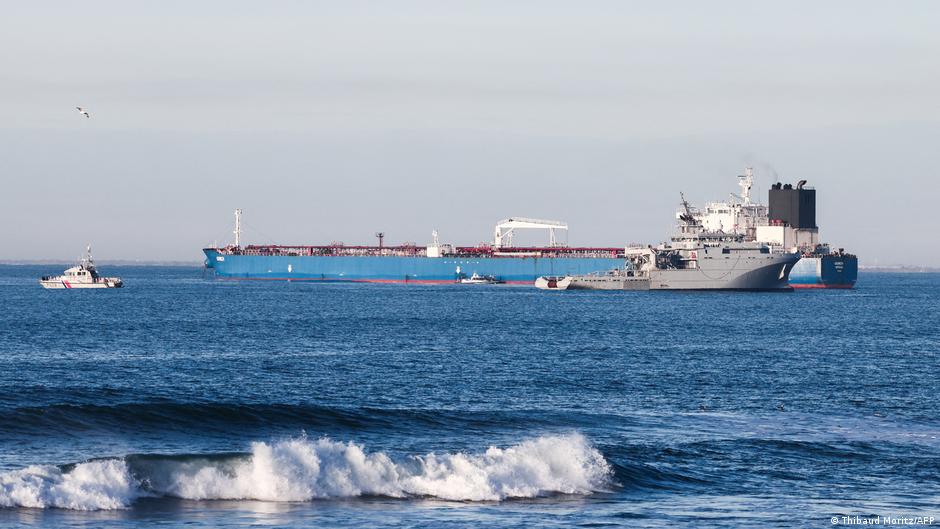
In response to the attacks, US forces launched retaliatory strikes targeting the Islamic Revolutionary Guard Corps (IRGC), aiming both to punish Iran and to diminish its capacity to threaten commercial shipping through the strategically vital Strait of Hormuz.
Iran retaliated with attacks on two US military bases located in Kuwait, further intensifying the confrontation.
Military Buildup and Business Implications for US Interests
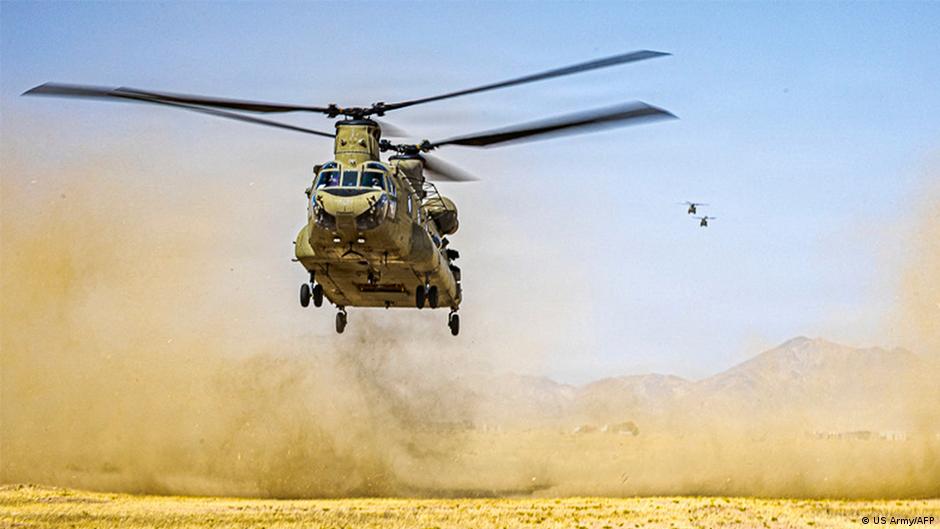
Amid the escalating conflict, the US is reinforcing its military posture in the Middle East. Reports from major newspapers indicate that additional combat aircraft, including F-16 fighters from Spangdahlem Air Base in Germany and F-35s from RAF Lakenheath in the UK, are being redeployed to the region. Tanker aircraft will accompany these deployments to extend operational range and flexibility.
This military escalation has significant implications for American businesses, particularly those involved in defense contracting, energy, and international shipping. Heightened regional instability threatens key oil supply routes, potentially disrupting global energy markets and increasing costs for US companies dependent on stable crude prices.
Furthermore, increased military expenditure and ongoing conflict could strain the US defense budget and impact related sectors. The broader uncertainty in Middle Eastern markets may also affect American multinational corporations operating in or sourcing from the region.
As the US persists in efforts to prevent Iran from pursuing nuclear capabilities, companies and policymakers alike face the challenge of navigating the economic and strategic risks posed by this intensifying conflict.