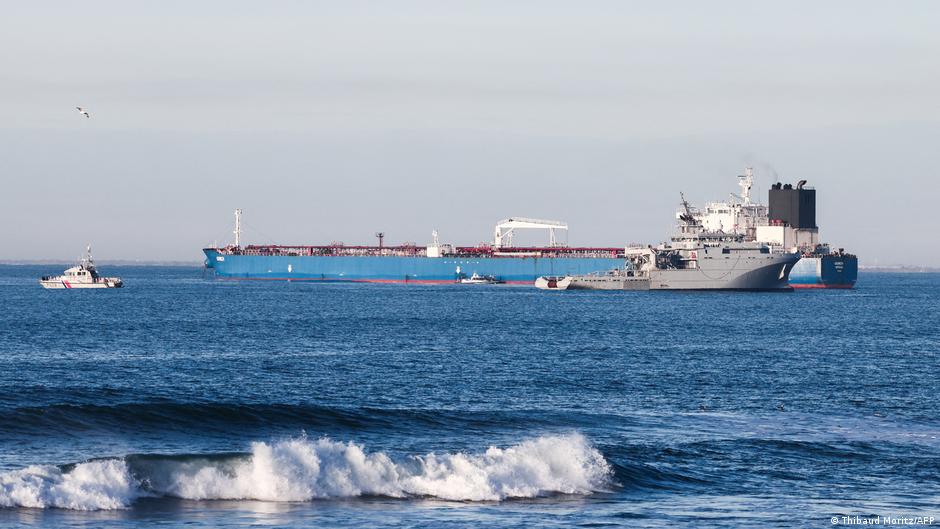
US Military Strikes Cargo Ship Attempting to Breach Iran Blockade Amid Strait of Hormuz Tensions
US forces disabled steering of a Panama-flagged vessel violating Iran sanctions, underscoring Washington’s control over critical shipping routes.
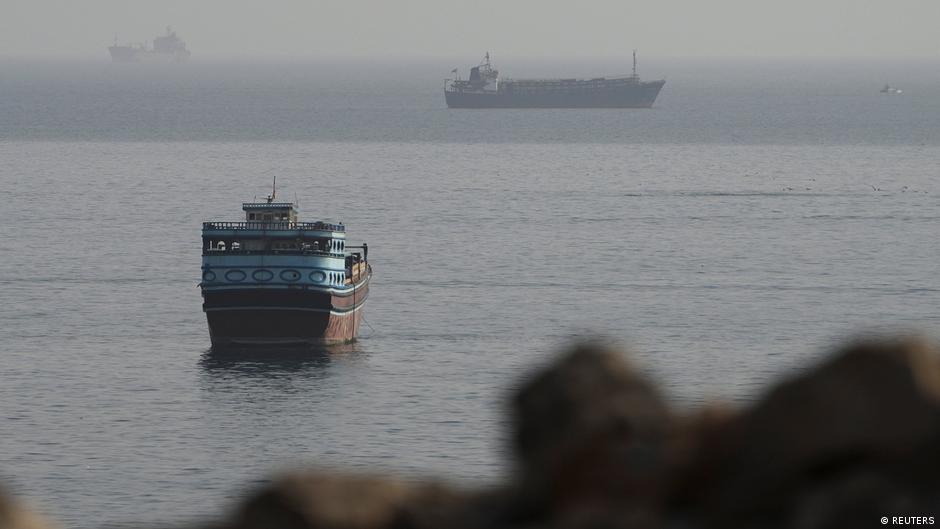
The United States military launched a missile strike on a Panama-flagged cargo ship attempting to violate the blockade of Iran by entering one of its ports, according to statements from US Central Command (CENTCOM) on August 11.
The vessel, identified as the M/V Vela Nova, sought passage through the strategic Strait of Oman towards an undisclosed Iranian port. After repeated warnings from US forces were ignored by the civilian crew, a US Navy MH-60 helicopter fired two Hellfire missiles targeting the ship’s engine room, effectively disabling its steering capabilities.
Implications for US Trade and Regional Security
CENTCOM reports that as of August 11, it has redirected 55 commercial vessels attempting to breach the blockade, disabled three vessels, and boarded two others. These actions highlight the ongoing enforcement of US sanctions against Iran and the critical role of maritime security in maintaining regional stability and protecting international trade routes.
"The United States fully controls the Strait of Hormuz," President Donald Trump asserted, emphasizing the American military’s dominant position in the region.
President Trump has publicly declared that the US maintains full command over the Strait of Hormuz, a vital chokepoint through which a significant portion of the world’s oil supply passes. He added that any provocative moves by Iranian forces would be met with decisive retaliation.
For American businesses and maritime operators, this development signals heightened risks and operational challenges when navigating the Persian Gulf and adjacent waters. The US enforcement of sanctions and naval presence aims to curtail Iran’s economic leverage but may also contribute to increased insurance premiums, rerouting costs, and supply chain disruptions for US importers and exporters relying on regional shipping lanes.
Recently, Iranian authorities issued new conditions for reopening the Strait of Hormuz to international shipping, demanding compensation for past conflicts and sanctions relief. These demands complicate diplomatic efforts and prolong uncertainty for companies engaged in energy and logistics sectors.
As tensions escalate, US policymakers must balance strategic military actions with the protection of American commercial interests, ensuring that sanctions enforcement does not inadvertently harm US businesses dependent on stable maritime trade routes.