US Reports New Caribbean Drug-Boat Strike, Raising Legal and Business Stakes
The latest lethal operation adds pressure in Washington over drug interdiction policy, Venezuela tensions and compliance risks for US companies.
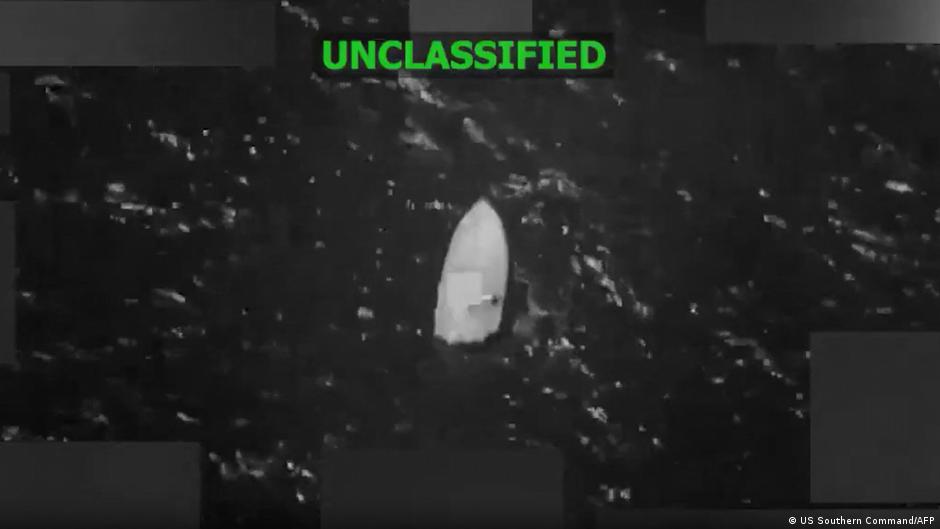
The US military said it carried out another lethal strike on a vessel in the Caribbean Sea that it said was transporting narcotics, killing four people and extending a campaign that has drawn scrutiny from international officials and raised political questions in Washington.
US Southern Command said on Saturday, September 19, that American forces struck a speedboat traveling along routes used for illegal drug transport in the Caribbean Sea. The command described the operation as a “lethal strike” and said intelligence had confirmed the vessel’s involvement in drug trafficking.
“Credible intelligence confirmed this vessel’s involvement in narcotics trafficking. During the operation, four narcoterrorists were eliminated,” the military said.
A video posted on X showed a moving vessel before it disappeared in a bright flash. The US side did not present evidence publicly demonstrating that the boat was involved in narcotics trafficking.
The Associated Press has reported that, including this case, the total number of people killed in US military strikes on vessels suspected of carrying drug traffickers in the Caribbean Sea has reached at least 231. According to the agency’s count, 69 such strikes have been carried out as part of a campaign that has been underway for more than a year.
Washington Faces Questions Over Authority and Risk
For Washington, the latest strike lands at the intersection of national security policy, drug enforcement, hemispheric diplomacy and legal oversight. The campaign has been framed by US officials as a hard-line response to narcotics flows into the United States, particularly from routes associated with Venezuela. But the use of military force against suspected traffickers at sea has also intensified debate over executive authority, transparency and the evidentiary standard used before lethal action is taken.
On October 23, 2025, President Donald Trump said at a White House press conference that US forces would “kill people” bringing drugs into the country from Venezuela. That statement placed the anti-drug campaign squarely inside a broader political message on border control, public safety and pressure on the Venezuelan government.
The policy also carries implications for Congress. Lawmakers may face renewed demands to examine whether the strikes fall within existing authorizations, what intelligence is used to identify targets, and whether the administration is providing sufficient reporting on casualties and operational standards. The absence of publicly released proof tying the latest vessel to drug trafficking is likely to sharpen those questions.
International legal criticism has already followed the campaign. On October 31, 2025, UN High Commissioner for Human Rights Volker Türk said US attacks on vessels “allegedly linked to drug trafficking” violated international law. He called for prompt, independent and transparent investigations into the attacks.
Business Fallout for US Companies
Although the strikes are military operations, the bottom-line impact for US businesses could become more tangible if the campaign continues to escalate. Companies with Caribbean shipping exposure, energy interests tied to the region, insurance contracts, port operations, logistics routes or compliance obligations related to Venezuela may face a more complicated operating environment.
Heightened US military activity in the Caribbean can affect risk pricing even when commercial vessels are not the targets. Marine insurers, freight operators and companies moving goods through regional waters may monitor whether the campaign changes perceived security conditions, raises due diligence requirements or prompts carriers to adjust routes and premiums. Any perception that the Caribbean is becoming a more contested enforcement zone can ripple into contracts, delivery schedules and compliance reviews.
For US companies with exposure to Venezuela or neighboring markets, the political signal is also significant. A campaign tied by US leaders to drug flows from Venezuela may reinforce sanctions-sensitive business caution and make legal teams more attentive to counterparties, vessel ownership, cargo documentation and beneficial ownership checks. Even firms far from the defense sector can face costs when geopolitical enforcement becomes unpredictable.
The public presentation of the strike also matters for companies navigating reputational risk. The military’s release of video on X offered a visual account of the operation, but no public evidence was provided to substantiate the claim that the boat was linked to drug trafficking. For businesses, especially those in logistics, finance and trade compliance, the episode underscores the importance of documentation and verifiable intelligence in high-risk maritime activity.
The latest operation may strengthen the administration’s posture among supporters who want aggressive action against drug trafficking. It may also deepen concerns among critics who argue that lethal strikes at sea require clearer legal justification and independent review. That tension is likely to define the Washington response as the death toll rises and the campaign continues.
For now, the military’s message is that the United States is prepared to use force against suspected narcotics routes in the Caribbean. The unanswered questions are how much evidence will be shared, what limits will govern future strikes, and how much political, legal and commercial risk American institutions and companies will absorb as the campaign expands.



