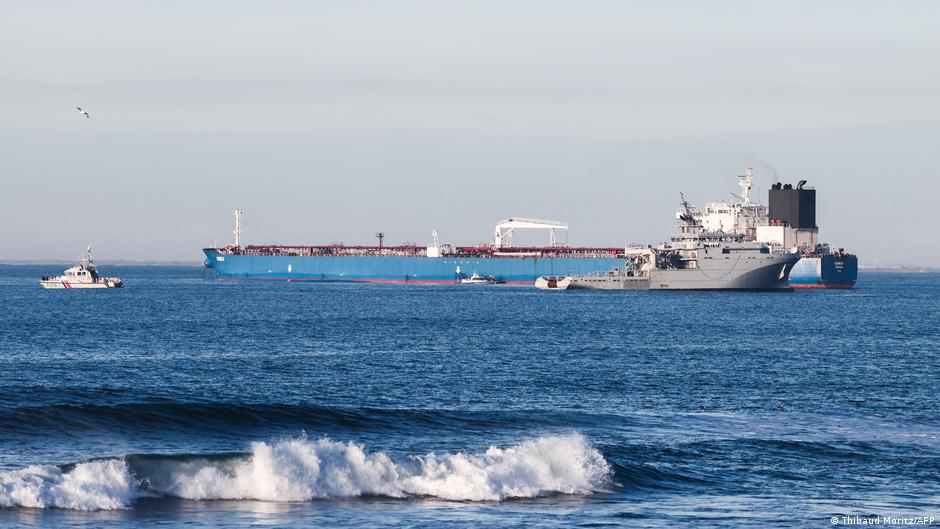
U.S. Strike Disables Cargo Ship as Gulf Tensions Hit Trade and Politics
CENTCOM says a Panama-flagged vessel ignored blockade warnings near Iran, while renewed tanker fire in Hormuz adds pressure on energy markets.
A U.S. Air Force fighter jet disabled a commercial cargo vessel in the Gulf of Oman on October 10 after its crew allegedly ignored repeated warnings and attempted to break a maritime blockade against Iran, according to U.S. Central Command. The Panama-flagged M/V Ocean Molica, also known as the Arika Sun, had previously departed an Iranian port, CENTCOM said in a statement released on X.
The U.S. aircraft used a precision-guided munition to strike the stern of the vessel, knocking out its propulsion system. CENTCOM said the crew was not injured. The command framed the action as part of its enforcement of a blockade that it said was reimposed on July 14 against all vessels entering or leaving Iranian ports.
CENTCOM said crews should heed blockade warnings as U.S. forces continue enforcement operations around Iranian shipping routes.
The episode adds another flashpoint in a maritime corridor central to global energy flows and closely watched by Washington, oil traders, insurers and major U.S. companies. For American businesses, the immediate concern is not only military escalation but the effect on shipping costs, fuel prices and supply chain planning at a moment when energy volatility is already feeding into the political debate at home.
Washington faces a widening maritime test
According to CENTCOM, the October 10 strike was the fourth disabling of a commercial vessel in the three months since the blockade resumed. Over the same period, U.S. forces forced 135 vessels to turn around and change course, the command said. CENTCOM also said U.S. forces destroyed 10 tankers linked to the shadow network of Iran’s Islamic Revolutionary Guard Corps during that same period.
Those figures point to a sustained U.S. military campaign rather than an isolated interdiction. From a Washington perspective, the operation sits at the intersection of national security, sanctions enforcement and international commerce. The U.S. is signaling that it is willing to use force to police maritime movements connected to Iran, while also trying to avoid casualties that could accelerate a broader conflict.
The claim that the Ocean Molica’s crew ignored repeated warnings is central to the American position. If accepted by allies and commercial operators, it supports Washington’s argument that the strike was a controlled enforcement action. If contested, it could raise questions over rules of engagement, the status of commercial vessels and the legal and diplomatic risks facing shippers operating near Iran.
For U.S. companies, the practical issue is simpler: the Gulf of Oman and the Strait of Hormuz are becoming more expensive and less predictable operating environments. Energy firms, freight forwarders, insurers, manufacturers and retailers all face potential cost increases when maritime risk rises in a key global transit zone. Even companies with no direct exposure to Middle East shipping can feel the impact through higher fuel costs and transportation surcharges.
Tanker fire in Hormuz heightens market concern
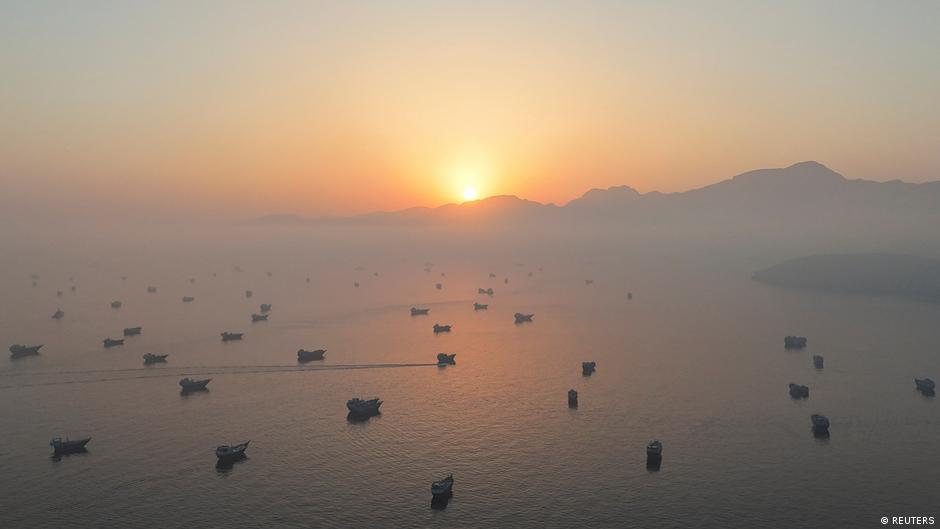
The U.S. strike was not the only maritime incident reported in the region. The United Kingdom Maritime Trade Operations organization said a tanker in the Strait of Hormuz had again come under fire. According to the vessel’s captain, the ship was hit on the port side by an unknown projectile, causing a fire. UKMTO said the crew was safe.
The renewed attack in Hormuz is likely to deepen concern among shipping operators because the strait remains one of the world’s most strategically sensitive energy chokepoints. When tankers are struck or commercial vessels are disabled nearby, markets often react not only to the physical disruption but to the possibility that more ships may reroute, pause voyages or demand higher risk premiums.
That dynamic is already visible in fuel prices. The Russian-language source article states that fuel prices have risen significantly in recent weeks against the backdrop of the war with Iran. That increase has intensified pressure on Republicans roughly a month before the U.S. congressional midterm elections, where recent polls show their popularity among voters has declined.
The political consequences are clear enough for both parties. Higher fuel prices quickly become a household issue in the United States, affecting commuting costs, freight expenses and prices for goods moved by truck, rail, air and sea. For Republicans, who are facing voters soon, the rise in fuel costs creates a direct pocketbook problem. For the administration and lawmakers in Washington, the challenge is to maintain pressure on Iran without allowing the conflict to become a broader economic liability.
Business groups are likely to focus on three bottom-line risks: energy inflation, insurance and freight costs, and the possibility of delayed shipments through routes connected to Gulf trade. Companies that depend on petroleum products, petrochemicals, global shipping capacity or just-in-time logistics may need to plan for continued volatility if the blockade and attacks continue.
The Group of Seven has also entered the debate. On October 2, G7 leaders condemned Iran’s continuing attacks on neighboring countries and its actions disrupting international trade, energy security and the world economy. The leaders called for the immediate and full restoration of the rights and principles of navigation in the Strait of Hormuz and said they intended to strengthen collective efforts toward that goal.
That statement gives Washington diplomatic backing, but it does not remove the operational risk for American companies. The more military enforcement expands, the more corporate risk managers will have to account for sudden changes in routes, delays, fuel surcharges and insurance conditions. For now, CENTCOM’s message is that the blockade remains active and warnings should be taken seriously. The market’s message is that every incident near Hormuz can quickly move from a security headline to a balance-sheet problem.