Uzbek Government Subsidizes Construction of Modern Swimming Pools to Boost Local Tourism and Business
Uzbekistan offers up to 50% subsidies for building swimming pools, presenting new opportunities for entrepreneurs and potential implications for US firms in tourism and construction sectors.
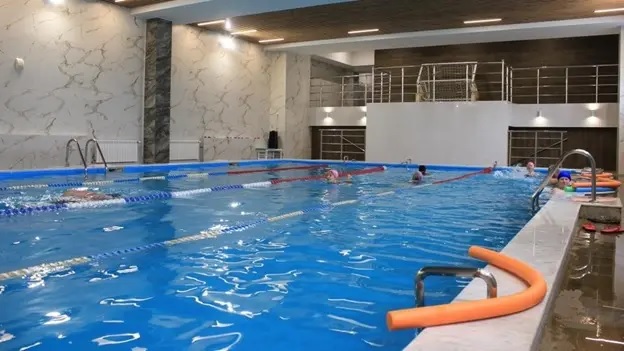
The government of Uzbekistan has recently approved a regulatory framework providing subsidies to entrepreneurs constructing modern swimming pools. This initiative aims to cover up to 50% of construction and commissioning costs, capped at 100 million Uzbek soms (approximately $9,300), incentivizing private sector investment in health, tourism, and sports infrastructure.
Implications for US Businesses and Washington
The subsidy program, effective from February 1, 2026, to January 1, 2028, targets the first 100 newly built modern swimming pools put into operation. The state will transfer funds within 10 business days of approval, facilitating quicker returns on investment. Entrepreneurs can apply through the State Services Center or the Unified Interactive Public Services Portal.
From a Washington perspective, this development highlights Uzbekistan's strategic focus on expanding its tourism and sports sectors. US companies involved in construction technologies, sports facility management, and wellness tourism may find emerging opportunities to partner or invest in these projects. Moreover, American firms specializing in financing, infrastructure development, and hospitality could leverage this government-backed subsidy as a gateway into Central Asia’s growing markets.
"Modern swimming pools represent not only a promotion of healthy lifestyles but also a promising avenue to develop regional tourism, create jobs, and establish profitable businesses," the Uzbek government stated.
The program aligns with broader regional trends where governments stimulate private enterprise through targeted subsidies, encouraging infrastructural growth that supports tourism and community well-being. For US exporters of construction materials, pool technology, and related services, early engagement could position them advantageously as Uzbekistan modernizes its leisure infrastructure.
Overall, the subsidy initiative signals Uzbekistan’s commitment to diversifying its economy and enhancing its tourism appeal, which may prompt US business stakeholders to monitor regulatory changes and identify collaborative ventures. It also underscores the importance for Washington to engage with Central Asian markets where infrastructural modernization can benefit from American expertise and investment.