Uzbekistan Central Bank Holds Key Interest Rate Amid Inflation and External Risks
Despite easing inflation, Uzbekistan’s central bank maintains a 14% key rate due to rising food prices and global economic uncertainties, affecting US business outlook.
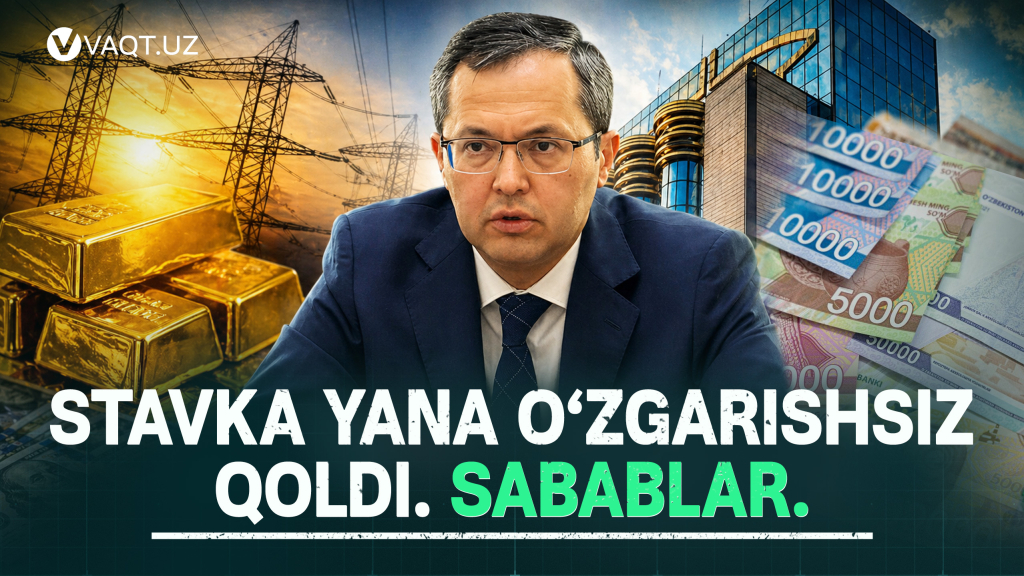
On April 29, Uzbekistan's Central Bank decided to keep its key interest rate steady at an annual 14%, citing a complex economic environment marked by persistent inflation in food prices and external economic risks. This decision highlights ongoing challenges for the Uzbek economy that could influence American companies operating in or trading with the region.
Balancing Inflation and Economic Growth Amid External Pressures
While overall inflation in Uzbekistan shows a downward trend—with annual inflation at 7.1% in March 2024 and inflation expectations easing—the Central Bank remains cautious. The primary concern is the continued rapid rise in food prices, which remain significantly high and affect household budgets. The regulator believes that the current conditions do not yet justify lowering the key interest rate.
Temur Ishmetov, Chairman of the Central Bank, emphasized that the only option considered during the recent meeting was to maintain the current rate. He noted that although inflation is declining, this process has slowed and is uneven across different sectors.
"Despite ongoing inflation reduction, price increases in critical consumer goods, especially food, continue to exert upward pressure," said Ishmetov.
Energy tariffs and utility prices are also important components in inflation calculations. The bank incorporated a projected tariff indexation of up to 10% announced earlier this year, though exact figures remain unconfirmed. Such increases add complexity to the inflation outlook and monetary policy decisions.
Externally, the International Monetary Fund has recently downgraded global growth forecasts and highlighted persistent inflation risks. Volatile energy and food prices globally continue to impact Uzbekistan’s domestic market, creating additional uncertainty for monetary policy.
Notably, Uzbekistan’s economy expanded robustly by 8.7% in the first quarter of 2024, surpassing forecasts. While this growth boosts domestic demand, it also risks applying further inflationary pressures—a factor the Central Bank had to consider in its decision to hold rates.
The ongoing privatization of state-owned banks—including Sanoatqurilishbank, Aloqabank, and Asakabank—adds another layer of economic transition. Although the Central Bank is not directly involved in these privatizations, it participates in related assessments and analyses, which could impact financial sector stability.
The Central Bank reaffirmed its commitment to a free-floating currency regime, avoiding artificial interventions in the exchange rate. This stance promotes market-driven currency valuation, an important factor for US investors and businesses engaged in currency-sensitive operations.
Looking forward, the Central Bank indicated that future monetary policy adjustments will heavily depend on inflation trends and external risks. Should inflationary pressures ease, a rate reduction may be possible, but if pressures persist, tighter credit conditions could be implemented.
Implications for US Businesses and Washington
For American companies with interests in Uzbekistan—whether through direct investment, supply chains, or export-import activities—the Central Bank’s cautious stance signals a challenging environment. Persistent inflation, especially in essential goods, can increase operational costs and consumer price sensitivity.
Moreover, the emphasis on a stable, market-driven currency aligns with Washington’s broader economic outlook favoring transparent and predictable financial policies. However, the ongoing privatization and economic growth also present opportunities for US investors to participate in Uzbekistan’s evolving financial sector and expanding market.
US policymakers monitoring Central Asian markets should note these developments as part of the regional economic stability framework, which influences trade relations and investment climates. The Central Bank’s approach reflects an effort to balance growth with inflation control amid external uncertainties, a dynamic relevant to US economic diplomacy and business strategy.