Uzbekistan Halts Gold Exports for Six Months, Impacting Trade and US Business Interests
Uzbekistan’s suspension of gold exports since September 2025 has caused a nearly 30% drop in exports, with implications for global markets including US companies.
Uzbekistan has not exported gold for six months, a move that has led to a significant 29.3% decline in the country's export volume during the first quarter of 2026. This is the first time such a downturn has been observed since 2023, raising concerns among international trade partners and businesses, including those based in the United States.
Key Trade Figures and Export Decline
According to recent trade data, Uzbekistan's total foreign trade turnover reached $18 billion in the first quarter of 2026, marking a modest 2.7% increase compared to the same period in 2025. However, export revenues fell sharply to $5.8 billion, down nearly 30% from the previous year, while imports increased by 30.8% to $12.2 billion.
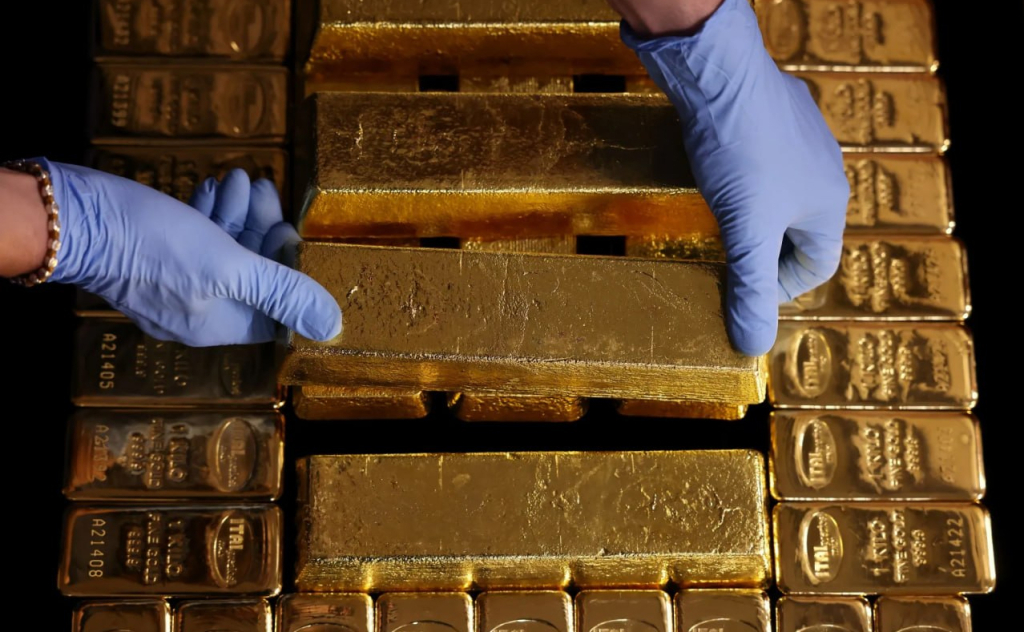
This significant decline in exports is largely attributed to the cessation of gold sales. In the first quarter of 2025, Uzbekistan had exported $3.6 billion worth of gold, contributing substantially to its export earnings. Since September 2025, no gold exports have occurred, with March 2026 also recording zero gold sales.
The Central Bank of Uzbekistan has explained that gold sales have been suspended to maintain high gold reserves, given the recent volatility in global gold prices. Between March and April 2026, gold prices dropped from approximately $5,300 to $4,400 per ounce, making gold exports less financially attractive for the country.
"Maintaining substantial gold reserves is crucial under current market conditions," the Uzbekistan Central Bank stated, highlighting the strategic decision behind halting gold exports despite short-term trade impacts.
Trade Relations and Regional Dynamics
China remains Uzbekistan’s dominant trade partner, accounting for $4.6 billion in bilateral trade during the first quarter, or roughly one-quarter of Uzbekistan’s total foreign trade volume. Russia and Kazakhstan follow, with trade volumes of $3.3 billion and $1.3 billion respectively. Notably, trade with Uzbekistan’s top 20 partners showed overall growth compared to 2025, indicating that the export decline is tied specifically to gold, rather than broader trade disruptions.
Implications for US Businesses and Washington Policy
Uzbekistan’s strategic decision to suspend gold exports has multiple implications for US companies involved in precious metals, commodities trading, and supply chains dependent on Central Asian markets. The decline in Uzbek gold exports could heighten volatility in global gold markets, potentially affecting prices and supply chains important to American mining and jewelry sectors.
Moreover, Uzbekistan’s increasing trade reliance on China and Russia underscores the geopolitical shifts in Central Asia, challenging Washington’s efforts to maintain influence in the region. As Uzbekistan deepens economic ties with Beijing and Moscow, US policymakers may need to reassess trade engagement strategies to support American business interests amidst evolving regional dynamics.
For US investors and companies operating in commodity markets, the Uzbek gold export halt highlights the importance of monitoring Central Asian trade policies, currency fluctuations, and regional partnerships that increasingly affect global supply chains.
Looking Ahead
Uzbekistan’s decision to prioritize its gold reserves over export revenue is a clear example of how sovereign economic strategies can have ripple effects on global trade and US business operations. While the country’s overall trade volume has grown modestly, the significant export drop in gold suggests volatility and opportunity risks for companies engaged in related sectors.
As Washington navigates its economic and geopolitical interests in Central Asia, close attention to Uzbekistan’s trade policy shifts will be critical to safeguarding American business competitiveness and regional influence.