Venezuela Releases 131 Political Prisoners Amid National Reconciliation Talks
Venezuelan government frees 131 political detainees following initial negotiations with opposition, marking progress toward judicial reforms supported by the US.
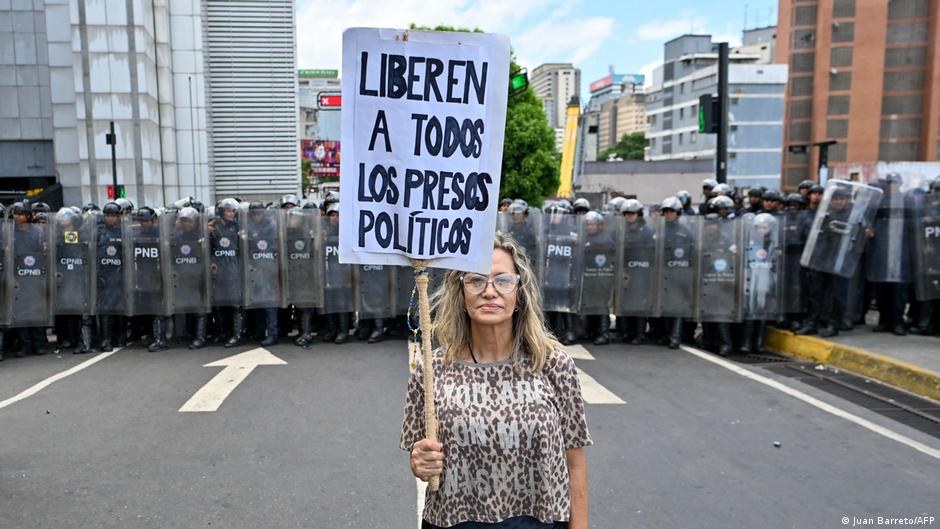
In a significant development amid ongoing efforts to resolve Venezuela's political crisis, the Venezuelan government has released 131 political prisoners following the first round of national reconciliation talks with the opposition. This move represents an important step in the fragile peace process and has drawn attention from Washington given its potential implications for US interests in the region.
Background and Details of the Release
The release occurred shortly after the initial round of negotiations between the Venezuelan interim government and opposition factions, concluding on August 12. According to Venezuelan officials, the individuals freed had been previously detained on charges related to alleged or confirmed participation in criminal activities. Instead of continuing detention, they were assigned alternative liberty restrictions, although specific details of these measures have not been made public.
"Not everyone has been freed, but all political prisoners deserve full freedom. We must continue to demand this tirelessly until every citizen reunites with their family," stated Dinora Figuera, who leads the opposition delegation in the talks.
The US Secretary of State, Marco Rubio, described the release as a "critical step toward national reconciliation." He noted that since the beginning of the year, over 1,046 political prisoners have been released in Venezuela amid mounting international pressure.
Judicial Reforms and US Support
In addition to the prisoner releases, the negotiations yielded an agreement to pursue judicial reforms, a critical component aimed at addressing long-standing concerns over Venezuela’s rule of law and human rights record. These reforms could potentially pave the way for more substantial political progress and reduce the risks of further instability.
The United States has actively supported these dialogue efforts, viewing them as a pathway to restore democratic norms and facilitate a peaceful resolution. Under Washington’s pressure, Venezuela’s acting president, Delcy Rodríguez, enacted an amnesty law before the talks commenced, which contributed to the release of several hundred political prisoners prior to the recent round.
For US businesses and policymakers, the evolving political landscape in Venezuela remains consequential. Stability in Venezuela could reduce risks related to regional security and energy markets, and potentially open avenues for American companies if sanctions are adjusted in the future. However, Washington remains cautious, emphasizing the need for genuine reforms and accountability as prerequisites for normalizing relations.
As the situation unfolds, the international community watches closely to see whether these tentative steps will translate into lasting peace and whether the Venezuelan government and opposition can build on this progress in subsequent negotiation rounds.