Yemen Leader Calls for Mobilization as Houthi Advance Raises US Trade Risks
Rashad al-Alimi urged Yemenis to join government forces and offered amnesty to defecting Houthis as the conflict threatens key energy routes.
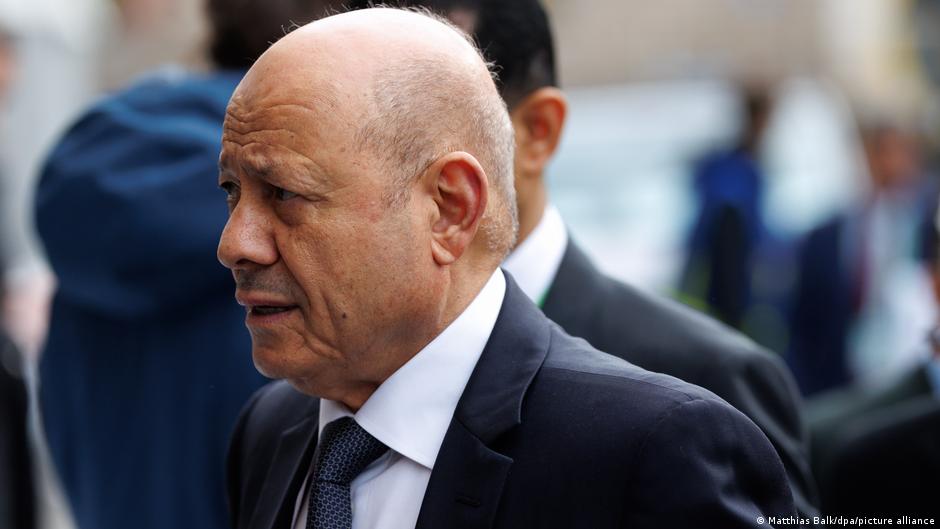
Yemen’s Presidential Leadership Council chairman, Rashad al-Alimi, has called on citizens to mobilize as government forces face an escalating offensive by the Iran-backed Houthi movement, a development with direct implications for Washington, global energy markets and US companies exposed to Red Sea shipping and Gulf oil flows.
In an address to Yemenis on Friday, September 25, al-Alimi urged citizens to contribute to the defense of the country and to join the ranks of government forces. He also said that Houthi fighters who leave the rebel movement and side with the government would be pardoned under an amnesty expected soon.
Those who abandon the Houthi ranks and join the government side will be pardoned as part of a forthcoming amnesty, al-Alimi said.
The appeal came amid a sharp escalation in Yemen’s long-running civil war. Several weeks ago, the Houthis struck government troops. Despite support from Saudi military aircraft, Yemen’s army has continued to retreat, according to the account provided in the source article.
For US policymakers, the stakes extend beyond Yemen’s internal balance of power. The fighting is centered near waterways that are central to oil transport, global shipping schedules and the cost structures of American importers, refiners, manufacturers and logistics companies. Any sustained disruption around the Red Sea and the Bab el-Mandeb Strait can ripple quickly through freight rates, fuel prices and corporate earnings.
Strategic Waterways Move Back to the Center of US Policy
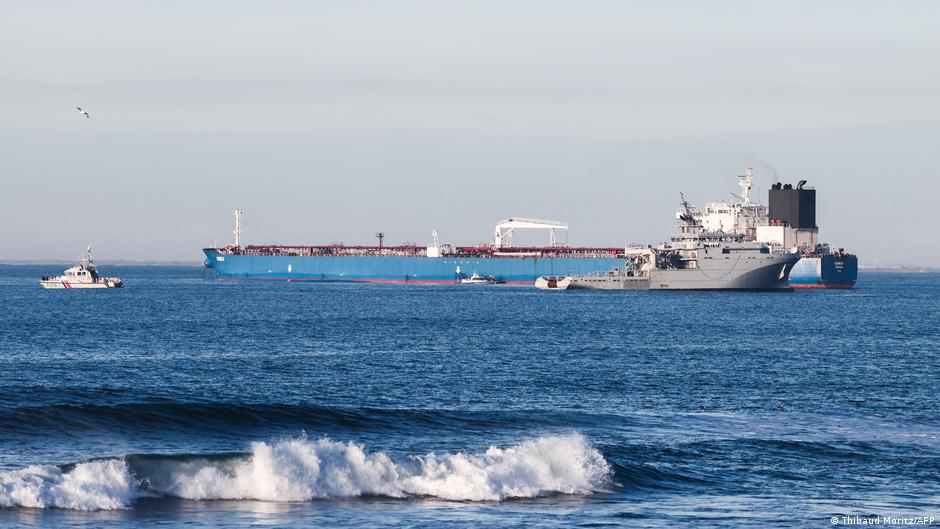
In recent months, the Houthis have managed to seize Yemen’s entire Red Sea coast, as well as territory adjacent to the Bab el-Mandeb Strait, the source article said. The strait has gained strategic importance since the start of the US and Israeli war against Iran and is being used as an alternative trade route that partly offsets disruptions to oil supplies caused by the blockade of the Strait of Hormuz.
Those claims place Yemen squarely inside a wider confrontation involving Iran, the United States, Israel and Gulf Arab states. Control or intimidation of maritime chokepoints gives Tehran and its allies leverage over oil exports from Saudi Arabia and other Persian Gulf producers, with consequences that US officials and businesses cannot treat as regional alone.
The Houthis’ military gains have resulted in Iran and its allies consolidating control over key regional waterways, affecting oil exports from Saudi Arabia and other Gulf countries to the global market. Rebel attacks threaten global trade routes and contribute to higher electricity prices, the source article said.
That is a bottom-line issue for US businesses. Energy-intensive industries are vulnerable to higher power prices, while retailers and manufacturers depend on predictable maritime routes for inventory planning. Even companies with no direct presence in Yemen can face higher insurance costs, longer shipping times and renewed pressure on margins if vessels must be rerouted or if Gulf oil exports face additional risk premiums.
Washington Faces a Broader Iran Challenge
Reuters has reported, according to the source article, that the Houthi advance is being directed by Iran’s Islamic Revolutionary Guard Corps. Sources in Tehran say Iran is seeking to open a new front in its confrontation with the United States.
That framing is likely to sharpen debate in Washington over how far the United States should go in supporting partners facing Iranian-aligned forces. The question for the White House and Congress is not only whether Yemen’s internationally recognized authorities can hold territory, but whether the United States can deter attacks that threaten trade, oil markets and allied capitals without widening the conflict further.
Yemen has been consumed by civil war since 2014, a conflict that has effectively divided the country among three opposing sides. The Iran-backed Houthis control northern and western provinces, including the capital, Sanaa, where about 70% of the population lives.
The latest escalation follows Houthi moves earlier in September to expand military operations across the Middle East. The group struck four cities in southern Saudi Arabia, according to the source article. More than 70 people were injured in the large-scale bombardment, and fires broke out at oil facilities.
Saudi Arabia responded with more than 60 airstrikes on several Houthi-controlled provinces. On September 19, the Saudi-led Coalition to Restore Legitimacy in Yemen said Yemeni rebels had for the first time attempted to strike the kingdom’s capital, Riyadh, with a ballistic missile.
For American companies, the key concern is whether such attacks remain episodic or become part of a durable pattern of pressure on Gulf energy infrastructure and shipping routes. A ballistic missile threat to Riyadh, fires at oil facilities and rebel advances toward maritime chokepoints all point to risks that can move oil benchmarks, insurance premiums and power prices.
Al-Alimi’s mobilization call is therefore more than a domestic wartime appeal. It is a signal that Yemen’s government sees the military situation as urgent, and it comes at a moment when the country’s battlefield is increasingly tied to the strategic calculations of Iran, Saudi Arabia and the United States.
For Washington, the immediate policy challenge is to protect commercial arteries and reassure regional partners while avoiding a deeper military commitment. For US businesses, the practical takeaway is simpler: Yemen’s war is again becoming a material risk factor for energy costs, supply chains and the stability of trade through one of the world’s most sensitive maritime corridors.