Anti-Government Protests in Serbia Escalate Amid Political Turmoil and Security Crackdown
Mass student-led protests in Belgrade spark clashes with police amid ongoing political instability, raising concerns for regional stability and foreign investment.
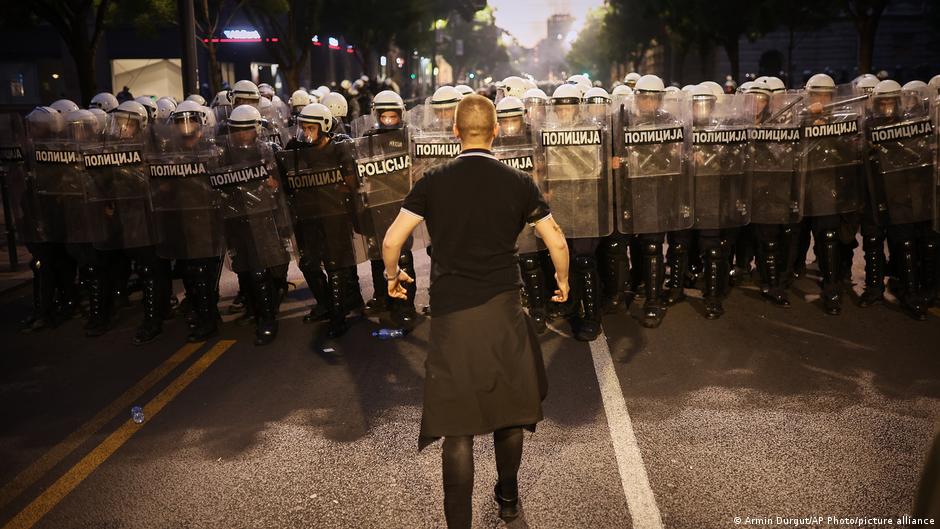
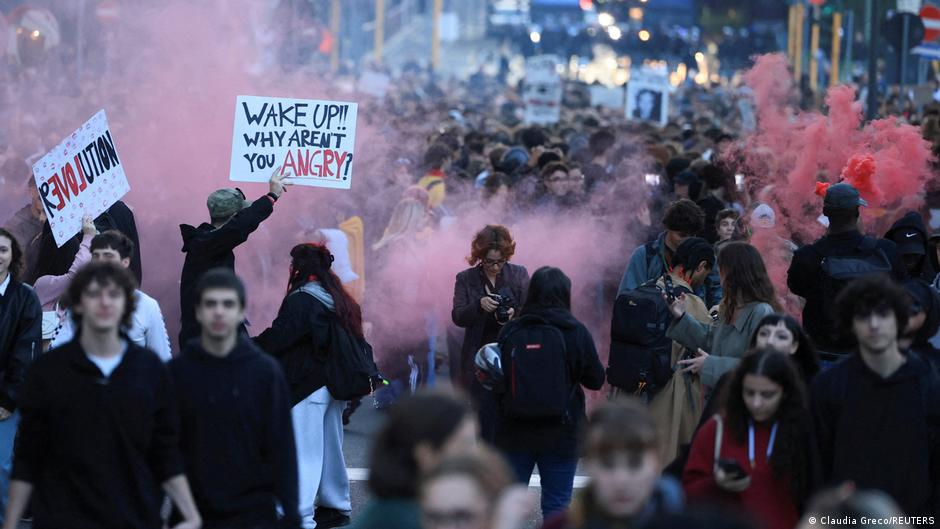
Serbia's capital, Belgrade, witnessed significant unrest on May 23, 2026, as anti-government protests led by university students escalated into violent clashes with police near the Pionirski Park. The unrest followed mass demonstrations on Slavia Square, where tens of thousands gathered in protest against the government of President Aleksandar Vučić.
Student Protests and Security Response
The protests, initially peaceful, turned confrontational as demonstrators hurled flares, stones, and homemade explosive devices at law enforcement. Police responded by deploying tear gas and stun grenades to disperse the crowd near the Serbian Parliament building and the Faculty of Law. Authorities detained 23 individuals involved in the disturbances, according to Interior Minister Ivica Dačić.
"All those who attacked police officers ensuring security after the public gathering will be identified and prosecuted according to the law," stated the Belgrade prosecutor's office, condemning the violence as a criminal offense.
The unrest comes against a backdrop of widespread dissatisfaction triggered by a fatal accident at the Novi Sad railway station in November 2024, where a concrete canopy collapse killed 16 people. Protesters attribute the tragedy to corruption, construction negligence, and cronyism within Serbia's political elite. They demand President Vučić's resignation and early parliamentary elections.
Despite attempts by the government to prevent large-scale protests—including a suspension of all train services to and from Belgrade on the day of the recent rallies—demonstrators continued to mobilize from across the country. The movement, branded under slogans such as "Students Win," reflects growing youth-led opposition to the ruling administration.
Political Shifts and Implications for Stability
The ongoing protests have triggered political upheaval, including the resignation of former Prime Minister Miloš Vučević in January 2025 and the appointment of Djuro Matzut, a medical professor, as his successor. President Vučić, however, has resisted calls to adjust election timelines, emphasizing democratic norms that elections proceed as scheduled despite unrest.
Security forces have repeatedly clashed with protesters, with over 40 arrests during a September 2025 flare-up and injuries reported on both sides. The cycle of protests and governmental responses has heightened concerns regarding Serbia's political stability and governance environment.
Implications for US Business and Foreign Policy
For American businesses and policymakers, Serbia's continued instability presents challenges and risks. The region's political volatility may affect investor confidence and disrupt supply chains, particularly in sectors involving infrastructure and transportation. The government's crackdown and the public's pushback highlight broader governance issues that could influence US foreign aid, trade relations, and strategic partnerships in the Balkans.
As Serbia prepares for early parliamentary elections in 2026, Washington faces the task of balancing support for democratic processes with concerns over rising authoritarian tendencies and corruption allegations. American companies operating or considering investments in Serbia should monitor these developments closely, given the potential impact on regulatory environments and market stability.
Overall, the recent escalation of anti-government protests underscores the fragility of Serbia's political landscape and signals possible repercussions for the region’s economic prospects and US engagement policies.