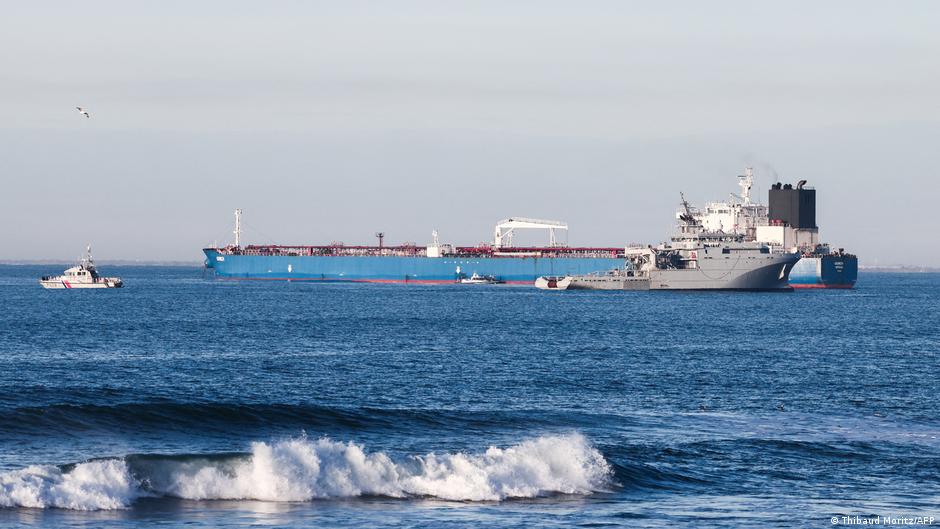
Russia’s July Oil Revenues May Surge 60% Year-on-Year Despite Western Sanctions
Rising global oil prices boost Russian oil and gas revenues, posing challenges for U.S. sanctions targeting Moscow’s energy sector.
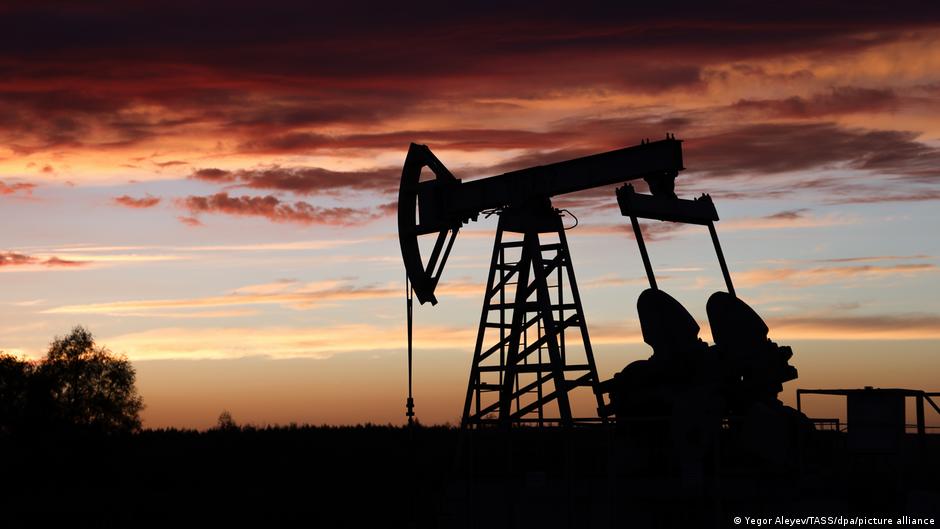
Russia’s oil and gas revenues for July 2026 could exceed those of July 2025 by as much as 60%, according to calculations published by Reuters on July 23. This surge is driven primarily by higher global oil prices, posing significant implications for ongoing efforts by the U.S. and its allies to curb Moscow’s energy earnings through sanctions.
Impact of Rising Oil Prices on Russian Revenues
As the world’s third-largest oil producer and exporter, trailing only the United States and Saudi Arabia, Russia remains a major player in the global energy market. Oil and gas revenues account for about 20% of the Russian federal budget, making these earnings crucial to the country’s fiscal health.
The recent rise in crude prices has been a key factor behind the substantial increase in Russia’s energy revenues this July. In addition to price effects, a notable increase in profit tax payments from oil extraction during the second quarter of 2026 has also contributed to the revenue boost.
“Despite intensified Western sanctions, rising oil prices have allowed Russia to significantly bolster its energy export earnings this summer,” analysts note.
However, when considering the cumulative period from January to July 2026, Reuters projects that total oil and gas revenues may still fall approximately 11% below those recorded for the same period in 2025, totaling around 4.9 trillion rubles. Official data from Russia’s Ministry of Finance is expected to confirm July’s figures on August 5.
Sanctions and Their Effectiveness
Last year, Russia’s federal budget oil and gas revenues declined by 24% to 8.48 trillion rubles, marking their lowest level since 2020. This decline was largely attributed to previously imposed sanctions and global market dynamics.
On July 23, the European Union enacted its 21st package of sanctions against Russia, explicitly targeting energy sector revenues. The sanctions aim to restrict Moscow’s budgetary inflows from oil sales, which EU authorities argue finance Russia’s ongoing military operations against Ukraine.
From a Washington perspective, these developments underscore the complex interplay between global energy markets and geopolitical strategy. While sanctions intend to choke off funding for Russia’s aggression, soaring oil prices have partially offset their impact, complicating efforts to apply economic pressure.
For American businesses, the persistent volatility in energy prices affects market stability and pricing strategies. U.S. companies operating in energy markets must navigate this uncertainty alongside evolving regulatory landscapes shaped by sanctions and counter-sanctions.
Policymakers in Washington face the challenge of calibrating sanctions to maximize pressure on Moscow without destabilizing global energy supplies or unduly harming American economic interests.