U.S. Says It Destroyed Five Iranian Oil Tankers After Missile Attacks
CENTCOM said the strikes followed two ballistic missile attacks on a U.S. Navy vessel, raising new risks for energy markets and American companies.
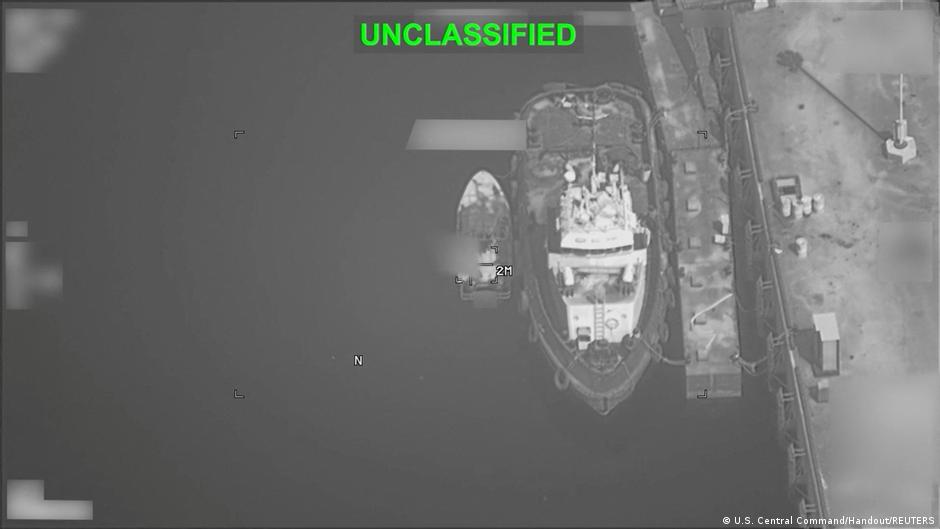
U.S. Central Command said it destroyed five Iranian oil tankers on Tuesday, September 8, after the Islamic Revolutionary Guard Corps twice attacked a U.S. Navy vessel with ballistic missiles over the previous two days, according to a statement cited from CENTCOM's account on X.
The command said the American ship successfully evaded the attempted Iranian attacks and continued patrolling regional waters. No U.S. personnel were injured, according to the statement.
For Washington, the strikes mark another escalation in a conflict centered on the Strait of Hormuz, the narrow waterway that plays a critical role in global oil supplies. For U.S. businesses, the immediate concern is not only military risk but the potential for volatility in fuel costs, shipping insurance, logistics planning and broader inflation expectations if the confrontation further threatens energy flows from the Gulf.
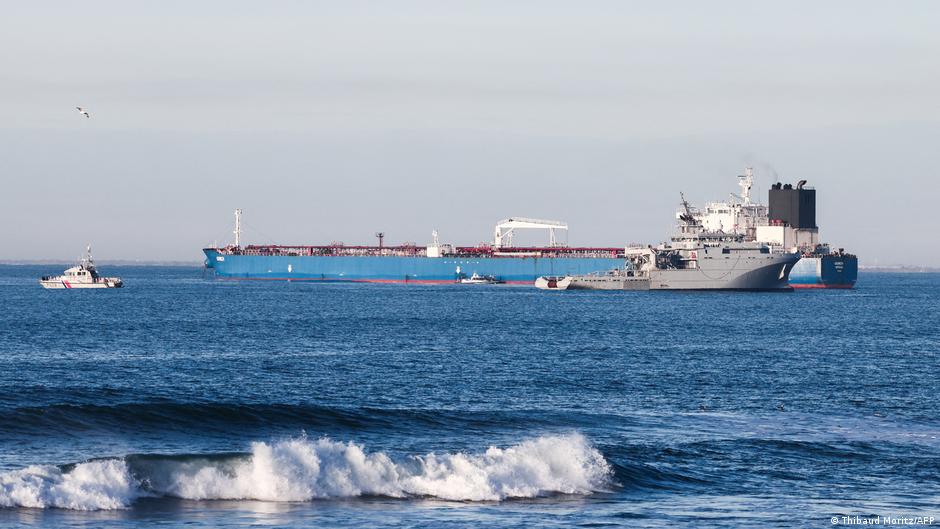
CENTCOM said U.S. forces destroyed the IRGC oil tankers M/T Kaviz, M/T Charminar, M/T Horizon 1 and M/T Riesco in the Gulf of Oman, as well as the tanker M/T Derya near Kharg Island in the Persian Gulf. According to the command, American forces instructed the crews to abandon the vessels before they were struck and disabled.
CENTCOM said the tankers were part of a multibillion-dollar shadow network used to fund the IRGC and its regional proxies.
The U.S. military also said Tehran lacks the means to protect those vessels. That claim, if borne out on the water, points to a U.S. strategy aimed not only at responding to attacks on American naval assets but also at degrading the financial channels Washington says support Iranian military operations and allied groups across the region.
Washington's Calculus
The operation comes as the Trump administration faces a difficult policy balance: maintaining pressure on Iran while trying to keep negotiations alive over the future of the Strait of Hormuz, sanctions and Iran's nuclear program. The source article states that U.S. forces had not carried out strikes on Iran since late July, after President Donald Trump ordered a pause that he explained as an effort to continue talks with Tehran on those issues.
That pause ended on August 30, when the United States struck two Iranian missile launchers on Larak Island, located in the Strait of Hormuz. Tehran then said it carried out retaliatory attacks on American targets in the United Arab Emirates, with dozens of drones attacking what it described as American helicopters and personnel at Al Minhad Air Base in the UAE.
Tuesday's tanker strikes therefore appear to fit into a broader pattern of controlled escalation: Washington is signaling that attacks on U.S. naval forces will trigger direct military consequences, while still framing the action around specific Iranian military and financial assets rather than a wider campaign against Iran itself. That distinction matters in U.S. politics, where any broader regional war would quickly draw scrutiny from Congress, energy-state lawmakers, defense committees and business groups exposed to higher transportation and commodity costs.
The September 8 action also followed an earlier operation on September 5, when CENTCOM forces destroyed three Iranian oil tankers after the IRGC attempted to attack a U.S. aircraft carrier and a missile destroyer, according to the source. Together, the strikes suggest an expanding U.S. effort to target maritime assets that Washington links to the IRGC's financing and regional reach.
Business Impact
For American companies, the main bottom-line risk is the Strait of Hormuz itself. Before the outbreak of hostilities in late February, the waterway was open to shipping. Today, both Iranian and American armed forces claim control over it, according to the source article. That contest places global energy supply routes under direct military pressure.
Any sustained disruption could affect U.S. firms far beyond the energy sector. Airlines, trucking companies, retailers, manufacturers, chemical producers and agricultural exporters all have exposure to fuel costs or ocean freight rates. Even companies with no direct Gulf operations could face higher insurance premiums, longer routing decisions, supplier delays or a renewed squeeze on margins if oil prices respond sharply to the security environment.
The political stakes in Washington are equally direct. The administration's room to maneuver depends on whether it can present the strikes as limited defensive actions that protect U.S. service members and preserve shipping lanes, rather than steps toward an open-ended conflict. Lawmakers are likely to focus on the safety of naval deployments, the legal basis for further strikes, the effect on oil markets and the risk to U.S. personnel stationed across the Gulf, including in the UAE.
The reported destruction of five additional tankers also raises questions for sanctions enforcement. CENTCOM's description of the vessels as part of a multibillion-dollar shadow network aligns with longstanding U.S. efforts to cut off revenue streams tied to the IRGC. If the military campaign increasingly targets tanker infrastructure, American policy could move from financial restriction toward physical interdiction, with significant consequences for maritime operators, insurers and commodity traders trying to assess legal and operational exposure.
For now, the U.S. account emphasizes that the crews were told to leave the tankers before they were hit and that no American personnel were harmed in the preceding missile attacks. But the series of incidents since late August underscores how quickly the conflict around Hormuz has moved from negotiation to direct action. For U.S. business leaders, that means geopolitical risk in the Gulf is again a live variable in cost forecasts, supply-chain planning and boardroom discussions about exposure to energy shocks.