Drone Attack Sparks Fires at Novorossiysk, Russia’s Key Export Port
The strike hit sites around a major Black Sea trade hub, raising new questions for Washington and U.S. businesses exposed to energy and grain markets.
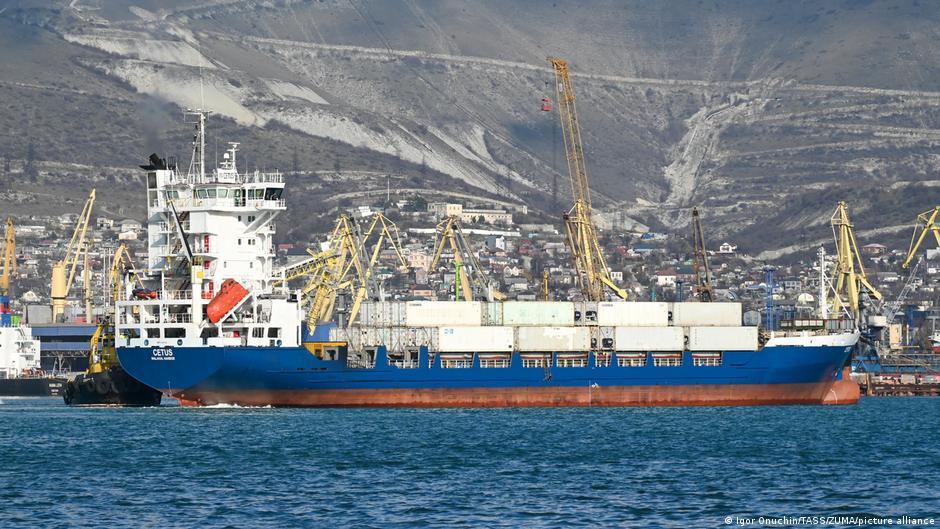
A drone attack on Novorossiysk, one of Russia’s most important Black Sea port cities, triggered major fires overnight into Wednesday, September 9, including at what OSINT analysis by ASTRA identified as a fuel oil terminal. The incident adds another point of pressure on a transport hub that is central to Russian exports of grain, oil, metals and container cargoes, with potential consequences reaching well beyond the immediate damage reported in the city.
Novorossiysk Mayor Andrei Kravchenko said on Telegram during the night that the city had been attacked using unmanned aerial vehicles. According to his account, drone debris landed on the territory of businesses and near a residential building. Preliminary information indicated there were no casualties, and emergency services were working to address the consequences of the attack.
According to the mayor, drone debris fell on company premises and near a residential building, with no casualties reported in preliminary information.
ASTRA, citing its OSINT analysis, reported that a fuel oil terminal was burning after the strikes. The outlet described the facility as one of the leading enterprises of the Novorossiysk transport hub, which is part of Russia’s largest port. ASTRA also said an eyewitness recorded another fire in the city, and that one blaze was in a residential apartment building on Volgogradskaya Street.
Why Novorossiysk Matters to Global Trade
For U.S. policymakers and companies, the significance of the attack lies less in the local emergency response than in the role Novorossiysk plays in Russia’s foreign trade. The city is one of the largest ports in Europe and a key hub for Russian exports. The port handles oil, metals and container cargoes, and as much as one-third of all Russian grain exports pass through Novorossiysk, according to the source article. Its location near Russia’s main agricultural regions helps explain its importance for grain shipments.
That profile makes disruptions at Novorossiysk relevant to Washington’s economic and geopolitical calculations. The United States has sought to limit Russia’s wartime revenue streams while also managing volatility in global commodity markets. Any interruption at a port tied to energy and agricultural exports can create ripple effects for prices, insurance, shipping schedules and sanctions enforcement, even when immediate physical damage is still being assessed.
The reported fire at a fuel oil terminal is particularly notable from a business perspective. Fuel oil terminals are part of the infrastructure that connects Russian production and refining networks to global markets. A confirmed disruption at such a site could affect loadings, storage capacity or routing decisions, depending on the extent and duration of the damage. The source article does not provide figures on lost capacity, and officials did not report casualty numbers beyond the preliminary statement that no one had been injured.
Implications for U.S. Businesses
American companies do not need direct exposure to Novorossiysk to feel the effect of instability there. Grain traders, food companies, shipping firms, insurers, energy market participants and manufacturers dependent on metals all monitor Black Sea logistics because the region remains a crucial corridor for internationally traded commodities. If port operations slow, cargoes may be delayed, rerouted or repriced, increasing uncertainty for buyers and intermediaries.
The source article notes that intensified strikes on Novorossiysk in August caused noticeable disruptions in oil and grain shipments. That prior episode gives the latest attack a broader market context. Repeated incidents can affect risk premiums and planning assumptions even before hard data on damage becomes available. For firms that hedge exposure to wheat, fuel or freight, the question is not only whether a single terminal burned, but whether Black Sea export reliability is deteriorating.
Washington is also likely to view the strike through the lens of pressure on Russia’s wartime economy. Novorossiysk is not merely a regional port; it is part of the infrastructure through which Russia earns foreign currency from major export categories. Disruptions there can intersect with U.S. sanctions strategy, allied energy policy and concerns about food-price stability in import-dependent countries.
The residential fire reported by ASTRA adds a civilian dimension to the incident. According to the outlet, the blaze occurred in an apartment building on Volgogradskaya Street. The mayor said debris had fallen near a residential building, while preliminary information indicated no casualties. Emergency services were working at the affected sites.
For U.S. business leaders, the bottom-line issue is risk concentration. Novorossiysk’s importance to Russian grain exports and its role in oil, metals and container cargoes make it a chokepoint worth watching. The latest attack does not, by itself, establish the scale of economic disruption. But it reinforces that the Black Sea logistics map remains unstable, and that disruptions in Russian export infrastructure can quickly become a concern for commodity markets, corporate supply chains and policy decisions in Washington.



