Austria Plans to Extend Mandatory Military Service Amid Rising Security Concerns
Vienna aims to boost defense readiness by lengthening conscription and increasing training as geopolitical risks escalate.
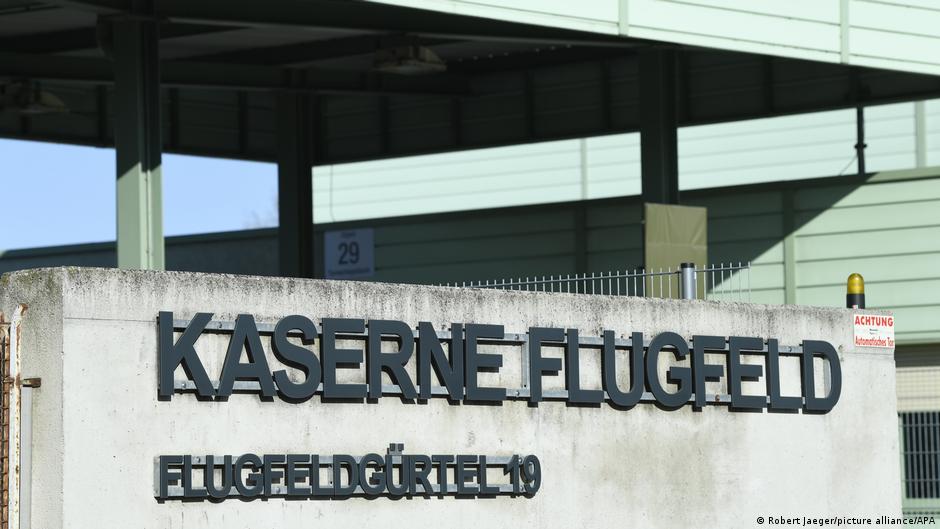
Austria's government has announced plans to extend the duration of mandatory military service from six to nine months. This reform includes new compulsory field exercises following initial basic training, reflecting growing security challenges linked to the war in Ukraine and emerging cyber and hybrid threats.
Implications of Austria's Military Service Extension
The ruling coalition, composed of the conservative Austrian People's Party (ÖVP), Social Democratic Party (SPÖ), and the liberal Neos party, has reached an agreement on amendments to extend conscription. However, the proposed changes require parliamentary approval, including support from the Austrian Freedom Party (FPÖ) and the Greens, as a two-thirds majority is necessary for enactment.
These amendments are set to take effect on January 1, 2027, if approved. The reform mandates that conscripts undertake six months of basic training followed by additional field exercises, which can be completed anytime within a ten-year period of militia service. This phased approach follows recommendations from an expert commission tasked with modernizing Austria's defense readiness.
To incentivize enlistment and retention, the government plans to introduce paid leave days during service and raise monthly allowances to €1,000. These measures aim to make military service more attractive amid Austria's traditionally neutral stance and absence from NATO membership.
"It is not enough just to acquire new equipment if our soldiers do not have sufficient practical experience handling it in emergencies," Chancellor Christian Schallenberg stated, emphasizing the need for improved operational readiness.
Austria's decision is framed against the backdrop of escalating security risks in Europe, particularly following Russia’s invasion of Ukraine. The government cites increased threats from cyberattacks, hybrid warfare tactics, and vulnerabilities in critical infrastructure as key drivers behind the reform.
While the current changes do not affect Austria's nine-month civil service alternative, starting in 2027, voluntary extensions of civil service by two months will be allowed, with mandatory extensions potentially imposed from 2028 if conscription targets are not met.
Washington Perspective: Impact on US Businesses and Security Cooperation
For US policymakers and American firms, Austria's military service reform signals a shifting European security landscape that could influence transatlantic relations. Although Austria remains militarily neutral and outside NATO, its efforts to enhance defense readiness reflect wider regional concerns about Russia’s aggression and hybrid threats.
Enhanced Austrian military capabilities may foster closer collaboration with US-led security initiatives in Europe, potentially creating new opportunities for American defense contractors and cybersecurity firms. Increased conscription and training budgets could stimulate demand for advanced military technologies and cyber defense solutions, sectors where US companies hold significant market shares.
Moreover, Austria's move highlights a broader trend among European nations to recalibrate military and civil defense policies, underscoring the importance for Washington to engage with both NATO and non-NATO partners. This adaptive approach may impact US diplomatic strategies and defense cooperation frameworks in Central Europe.