Drone Attacks in Russia's Rostov and Saratov Regions Target Oil Facilities, Escalating Risks for US Energy Interests
Recent UAV strikes on Russian oil storage and refining sites raise concerns about supply chain stability impacting American businesses and geopolitical dynamics.
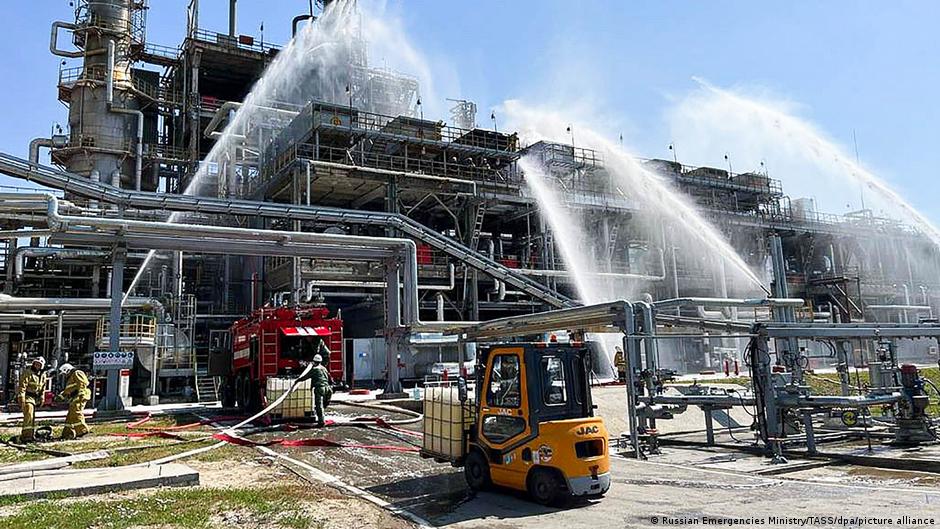
On the night of May 31, a drone attack caused a major fire at an oil storage facility in Russia's Rostov region, according to local authorities. Simultaneously, officials in the Saratov region reported damage to critical infrastructure, including a refinery, as the ongoing conflict between Russia and Ukraine continues to escalate. These incidents underscore growing risks to energy infrastructure with potential reverberations for American companies and global markets.
Details of the Attacks on Russian Oil Infrastructure
The governor of Rostov region, Yuri Slyusar, reported via his Telegram channel that drone debris ignited a fire at a private fuel storage site in the Matveyev-Kurgan district. This facility supports agricultural producers, indicating the attack's possible ripple effects across regional agricultural supply chains. Emergency services, including a specialized firefighting train, responded immediately, evacuating nearby residents and mitigating casualties. No injuries have been reported so far.
In addition to the fuel depot, commercial properties such as a pharmacy, two retail stores, and a vehicle were damaged in the village of Matveyev-Kurgan. Local eyewitnesses described an "oil rain" descending after the fuel tank was hit, highlighting the severity of the strike.
Meanwhile, Saratov region's governor, Roman Busargin, confirmed damage to civil infrastructure without specifying the exact sites. Open-source intelligence channels and local reports indicate that the Saratov Oil Refinery was targeted. Video and photographic evidence circulated on social media show intense fires at the refinery shortly after the attack began. The refinery has been targeted multiple times in previous strikes, signaling a concerted campaign against Russia's energy production capabilities.
"The escalating attacks on key Russian oil facilities disrupt not only regional stability but also have broader implications for global energy markets," an energy analyst noted.
Implications for US Businesses and Washington
The attacks come amid heightened geopolitical tensions and add uncertainty to energy supply chains that directly affect American companies engaged in global energy markets. The Saratov refinery, repeatedly targeted, plays a significant role in Russia's oil processing capacity. Disruptions here could exacerbate volatility in global oil prices, potentially impacting US energy costs and the financial performance of American firms with exposure to energy commodities.
Moreover, these attacks may influence Washington's strategic considerations regarding sanctions, energy security, and support for Ukraine. Increased targeting of Russian energy infrastructure complicates efforts to balance maintaining pressure on Russia while avoiding unintended consequences on global energy markets critical to US economic interests.
Washington-based businesses involved in agriculture, manufacturing, and energy sectors should monitor these developments closely. Supply chain interruptions stemming from such attacks can reverberate internationally, affecting commodity prices and availability, and by extension, bottom-line profitability.
Conclusion
The recent drone strikes on oil facilities in Rostov and Saratov regions mark a significant escalation in the conflict, with direct consequences for Russian energy production. For the United States, this translates into heightened concerns over energy market stability and economic impacts on American companies. Policymakers and business leaders alike must navigate this evolving landscape, factoring in both geopolitical risks and commercial vulnerabilities.