ECB Clears UniCredit Path to Control Commerzbank in European Bank Shake-Up
The Italian lender’s planned takeover could reshape European banking and alter the competitive landscape for US companies operating in Germany.
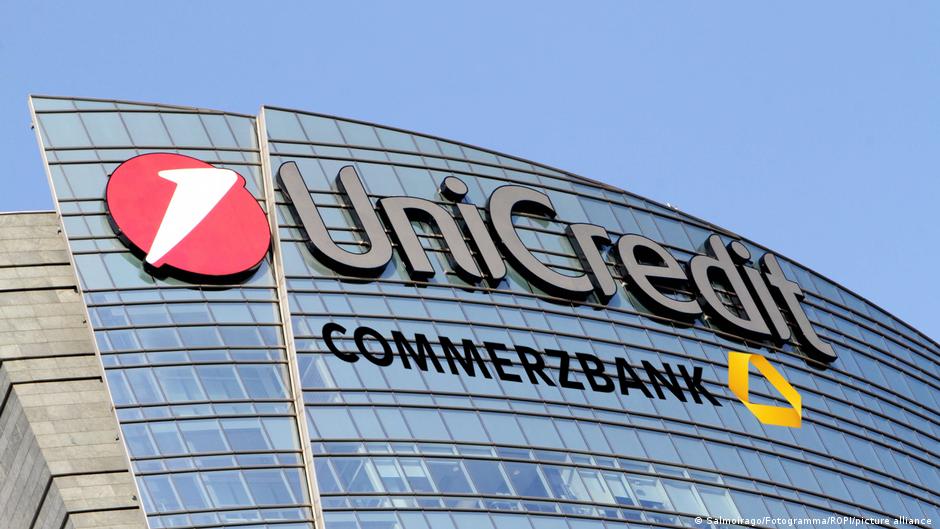
The European Central Bank has approved UniCredit’s acquisition of stakes in Germany’s Commerzbank, clearing a crucial regulatory hurdle for the Italian lender to expand its holding and potentially take control of Germany’s second-most important commercial bank.
UniCredit representatives announced the approval on Thursday, October 15. According to German news agency dpa, the ECB’s authorization allows UniCredit to cross the threshold of 30% ownership in Commerzbank and subsequently increase its stake without further limits. In practical terms, the decision gives UniCredit a path to absorb the German institution.
The development has implications beyond the eurozone. For US companies doing business in Germany, particularly those relying on local lending, cash management, trade finance or services tailored to midsize enterprises, a change in control at Commerzbank could eventually affect banking relationships and the competitive environment. The immediate impact remains dependent on completion of the supervisory process and UniCredit’s subsequent decisions.
UniCredit said the ECB’s decision demonstrated confidence in the bank’s “strong position in the European banking sector.”
Control could be established by year-end
The transaction is expected to complete the remaining supervisory procedures by the end of the current year. By that point, UniCredit is expected to hold half of the voting rights at Commerzbank’s shareholder meetings, enabling the Italian group to establish control over the bank, dpa reported.
UniCredit offered Commerzbank shareholders in May an exchange of 0.485 UniCredit shares for every Commerzbank share they owned. Through that proposal, the Italian lender secured access to nearly half of the German company’s shares. The exchange could not be completed, however, without authorization from the ECB.
The central bank’s review therefore represented a decisive stage in the proposed combination. The approval was not unexpected, according to dpa, because the ECB has repeatedly signaled support for banking mergers within the eurozone. European regulators view such transactions as a way to reinforce the European Union’s single internal market.
From Washington’s perspective, the transaction illustrates the continued drive toward deeper financial integration in Europe. Although the deal does not directly involve an American bank, a larger cross-border European lender could become a more formidable competitor to US financial institutions serving multinational companies on the continent. It could also provide American corporate clients with a broader regional banking counterparty if UniCredit integrates Commerzbank’s German operations into its wider European network.
The bottom-line consequences for US businesses will depend on how UniCredit handles Commerzbank’s lending strategy, service offerings and operating structure. Commerzbank has an important role in serving German small and midsize enterprises, a segment that includes suppliers, customers and partners of many American corporations. Any shifts in credit availability or relationship banking could consequently travel through cross-border supply chains.
German opposition centers on jobs and corporate identity
Commerzbank’s management and employees have previously opposed UniCredit’s takeover plans, as have German authorities. The German government owns slightly more than 13% of Commerzbank and wants to prevent job losses that could result from efficiency measures following an acquisition.
Berlin also wants Commerzbank to remain a publicly traded company headquartered in Frankfurt and to continue developing services for Germany’s small and midsize businesses, according to dpa. Those demands point to a potential conflict between the ECB’s support for cross-border consolidation and Germany’s interest in preserving domestic employment, decision-making and access to financing for local companies.
The political resistance could remain significant even after the ECB’s approval. Regulatory authorization gives UniCredit the ability to advance its ownership position, but it does not eliminate opposition from the German government, the target bank’s leadership or its workforce. Their concerns are likely to shape debate over any restructuring, particularly if the Italian lender pursues cost reductions after gaining control.
For American executives and investors, the key issue is whether the combination produces a stronger pan-European bank or a prolonged integration battle. A successful merger could streamline financial services across multiple European markets and increase competitive pressure on US banks. A contested process, by contrast, could create uncertainty around Commerzbank’s strategy and its relationships with corporate customers.
The ECB’s decision moves the transaction closer to that test. With UniCredit now permitted to exceed the 30% threshold and potentially command half of Commerzbank’s voting rights, attention will shift to the remaining supervisory procedures, Germany’s response and the operating choices that follow any transfer of control.