EU Commissioner Warns Serbia May Lose €1.5 Billion in Reform Funding Over Democratic Concerns
The European Commission signals potential suspension of financial support to Serbia amid democratic backsliding, raising implications for US businesses linked to the region.
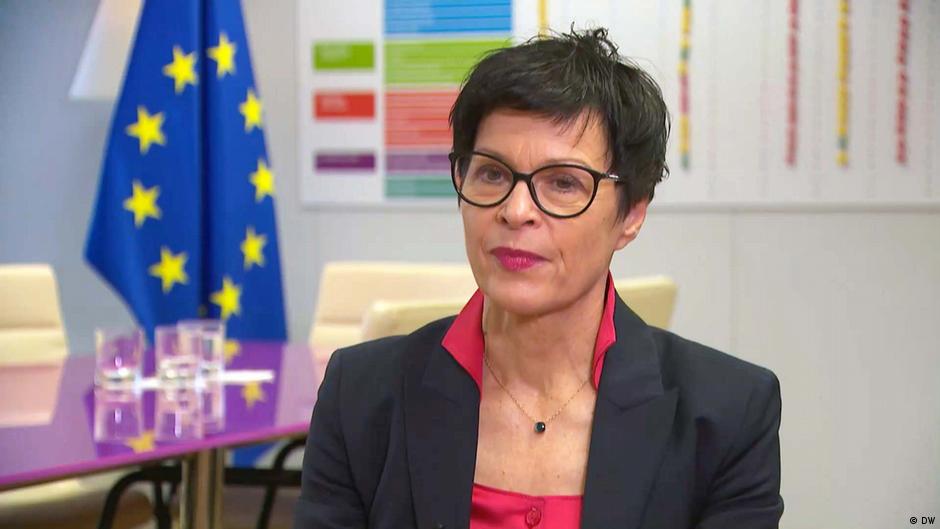
The European Union has put Serbia's access to approximately €1.5 billion in reform and integration funds at risk due to growing concerns over democratic backsliding in the country. EU Commissioner for Enlargement Marta Koc highlighted these issues during a session with Members of the European Parliament on April 20, signaling a critical juncture not only for Serbia's EU accession hopes but also for broader geopolitical stability in the Western Balkans.
Democratic Erosion Threatens Continued EU Support
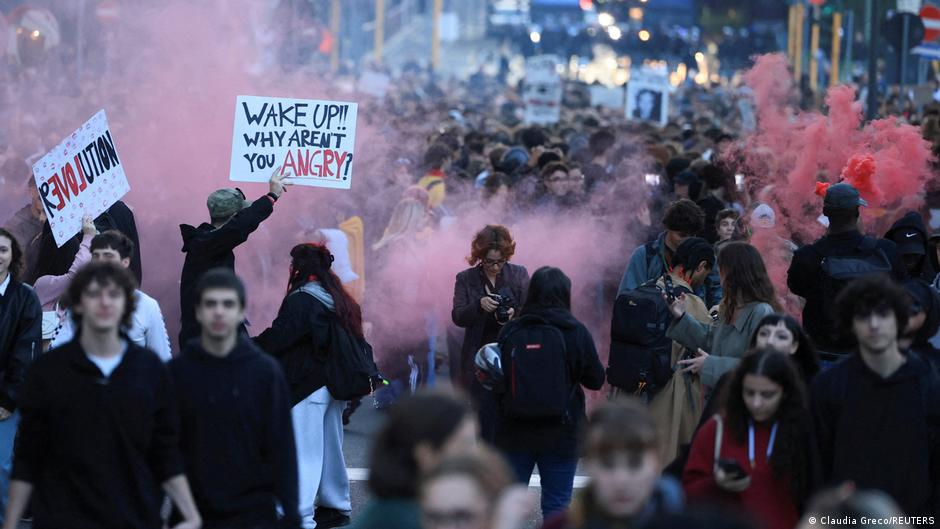
Commissioner Koc pointed to multiple indicators that have raised alarms within EU institutions. Observers noted significant irregularities during Serbia's March municipal elections, while systemic challenges such as interference with judicial independence, suppression of protests, and constraints on independent media have further compounded concerns.
"We are increasingly worried about developments in Serbia," Koc stated, emphasizing the EU's ongoing evaluation of whether Serbia meets the conditions required to continue receiving reform support funding as a candidate country.
To date, Serbia has received around €100 million from the EU, but the larger tranche of about €1.5 billion remains contingent on progress toward democratic reforms. The European Commission plans to issue a formal assessment in the coming weeks, which will determine whether this funding is released or withheld.
The EU expects Serbia to align its judicial legislation with recommendations from the Venice Commission, the EU's advisory body on democracy and constitutional law, and to restore media independence. These reforms are deemed necessary to maintain credibility in Serbia’s EU accession process.
Broader Geopolitical and Economic Implications for the US
The situation in Serbia carries significant implications for the United States, especially for American businesses operating in or with interests in the Balkans. The EU has intensified efforts to integrate Serbia and other Western Balkan countries following Russia’s full-scale invasion of Ukraine, aiming to prevent Kremlin-backed destabilization in the region.
Serbia’s political stance continues to be ambiguous. While President Aleksandar Vučić publicly supports European integration, the country maintains close ties with Russia. Notably, Serbia has refrained from imposing sanctions against Moscow and, despite EU warnings, Vučić participated in Russia’s Victory Day celebrations in 2023 alongside President Vladimir Putin.
For US companies, this duality poses risks and uncertainties. Potential suspension of EU funds could slow reforms critical for economic stability and rule of law improvements in Serbia, factors that underpin a business-friendly environment. Additionally, geopolitical tensions could affect supply chains and investment climates in the region.
Washington’s strategic interest in promoting stability and democratic governance in the Western Balkans aligns with EU priorities. However, the EU’s conditionality on funding and Serbia’s mixed signals may complicate these efforts, influencing US foreign policy and economic engagement strategies.
In conclusion, the unfolding developments around EU financial support to Serbia underscore the intersection of democratic governance, regional security, and economic interests—a nexus of high importance for US stakeholders with exposure to the Balkans.